
Companion Plants
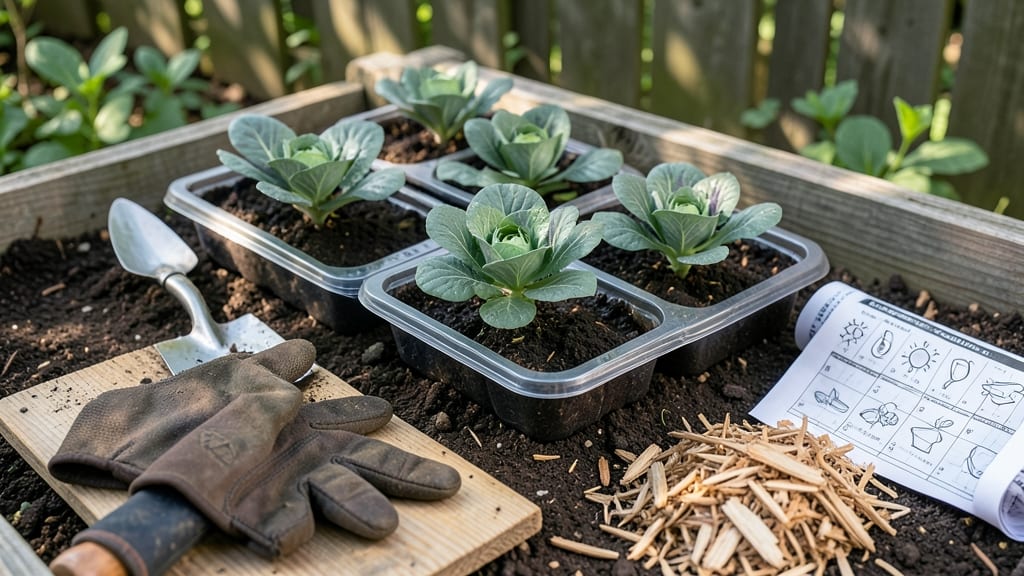
If you're planting cabbage in Pennsylvania, timing is the secret to sweet, crisp heads—not bitter, bolted greens. The Keystone State’s unpredictable swings from frost to heat mean your 🥬 could go from perfect to ruined in weeks if you’re not careful.
Most gardeners in zones 5b-7a know spring and fall are the sweet spots, but here’s the catch: planting too early risks frost damage, while late starts trigger bolting.
I’ll break down the exact windows—March 15 to April 30 for spring, August 1 to September 15 for fall—that work for your region, plus pro tips to beat PA’s climate quirks.
Whether you’re starting seeds indoors or sowing directly, the right prep makes all the difference. We’ll cover soil temps, shade tricks for summer plantings, and the best bolt-resistant varieties for your area—so you can harvest firm, flavorful heads from June through November.
Ready to grow cabbage like a local? Let’s dive into the timing, tools, and techniques that’ll turn your garden into a zero-bolt zone.
Best Pennsylvania cabbage planting windows: spring vs fall timing explained
Timing your cabbage planting in Pennsylvania is all about avoiding the summer heat that triggers bolting. The Keystone State’s climate spans USDA zones 5b-7a, meaning your exact dates depend on whether you're in Pittsburgh’s cooler hills or Philadelphia’s warmer lowlands.
For most gardeners, the ideal planting windows are March 15–April 30 for spring and August 1–September 15 for fall.
Cabbage thrives when soil temperatures stay between 45°F and 85°F. If you plant too early, cold soil can stunt growth, while late spring heat (above 80°F) sends plants bolting.
The key is to start seeds 4–6 weeks before your last frost—typically April 15 in most of PA—or transplant hardened seedlings after that date.
Northern PA gardeners (zones 5b-6a) can push spring planting slightly earlier, while southern PA (zones 6b-7a) may wait until mid-April to avoid frost risks. Always check your local frost date averages—they vary by 1–2 weeks across the state.
🌱 Pennsylvania Cabbage Planting Timeline
| Season | Planting Window | Soil Temp | Method | Harvest Window |
|---|---|---|---|---|
| Spring | March 15–April 30 | 45°F–60°F | Direct sow or transplant | June–July |
| Fall | August 1–September 15 | 50°F–70°F | Transplant seedlings | October–November |
| Summer Risk | June–July | Above 80°F | Avoid direct sowing | Bolting likely |
⚠️ Pro Tip: Use shade cloth (30–50%) for summer plantings to lower soil temps by 10°F+.
For direct sowing, scatter seeds ½-inch deep in rows spaced 18–24 inches apart. Thin seedlings to 12–18 inches apart once they’re 2–3 inches tall. This spacing prevents disease spread and ensures head development.
If you’re transplanting, buy 4–6 week old seedlings from nurseries and harden them off for 7–10 days before moving to your garden.
In northern PA (e.g., Erie or Scranton), you can even try an early spring sowing in February under row covers or in a greenhouse. Just be ready to protect young plants from late frosts with frost cloth.
Conversely, southern PA gardeners (e.g., Allentown or Lancaster) might extend fall planting into early October, but avoid planting after September 20 unless you’re using black plastic mulch to retain heat.
One common mistake is assuming “early spring” means February. Cold soil (below 45°F) slows germination and invites rot diseases. Instead, start seeds indoors in late February and transplant after soil warms.
For fall plantings, aim for 60–80 days to maturity before your first frost—usually mid-October in most of PA.
If you’re container gardening in urban areas like Philadelphia, choose dwarf varieties (e.g., ‘Miniature Drumhead’) and plant in 5-gallon pots with well-draining mix. Containers warm up faster, so monitor soil temps closely—keep them below 80°F to prevent bolting. Use lightweight mulch like straw to regulate temps.
Remember: Cabbage is a cool-season crop, and your goal is to harvest before summer heat or after fall cools. By following these
Best Pennsylvania cabbage planting windows: spring vs fall timing explained
Cabbage hates heat—that’s why Pennsylvania gardeners focus on cool-season planting. The key is timing: aim for spring (March 15–April 30) or fall (August 1–September 15) to avoid summer bolting.
In northern PA (zones 5b–6a), start earlier; in southern PA (zones 6b–7a), delay by 2–3 weeks to escape late frosts.
For spring plantings, transplant 4–6 weeks before your last frost date (usually April 15 in most regions). Direct sowing works too, but seedlings thrive better when hardened off first. In fall, prioritize August starts to harvest before October’s first frost (around October 15).
| Season | Planting Window | Soil Temp | Key Tip |
|---|---|---|---|
| Spring | March 15–April 30 | 45–55°F | Transplant seedlings for faster growth |
| Fall | August 1–September 15 | 50–60°F | Use shade cloth if temps exceed 80°F |
Regional differences matter! In Pittsburgh (zone 6a), plant March 20–April 15 for spring; in Philadelphia (zone 7a), shift to March 25–April 20. For fall, Pittsburgh’s August 10–September 10 window aligns with cooler nights, while Philadelphia can extend to September 15.
Direct sowing is simpler but slower. Start seeds indoors 6–8 weeks before your last frost, then transplant 4–6 inches apart in rows 18–24 inches apart.
For fall, sow seeds 8–10 weeks before your first frost to ensure maturity. Soil prep is critical: amend with compost and a balanced fertilizer (10-10-10) to boost early growth.
Watch for bolting—when cabbage flowers prematurely—if temps rise above 80°F for 3+ days. To prevent this, use shade cloth (30–50% shade) or opt for bolt-resistant varieties like ‘Golden Acre’ for summer plantings. Mulch with straw to keep roots cool and retain moisture.
Harvest timing varies by variety: 60–100 days to maturity. Check for firm, compact heads with tightly wrapped leaves. If left too long, heads may split or develop bitter flavors. In fall, harvest before hard frosts hit—cabbage can tolerate light frosts but not prolonged cold.