
Plants
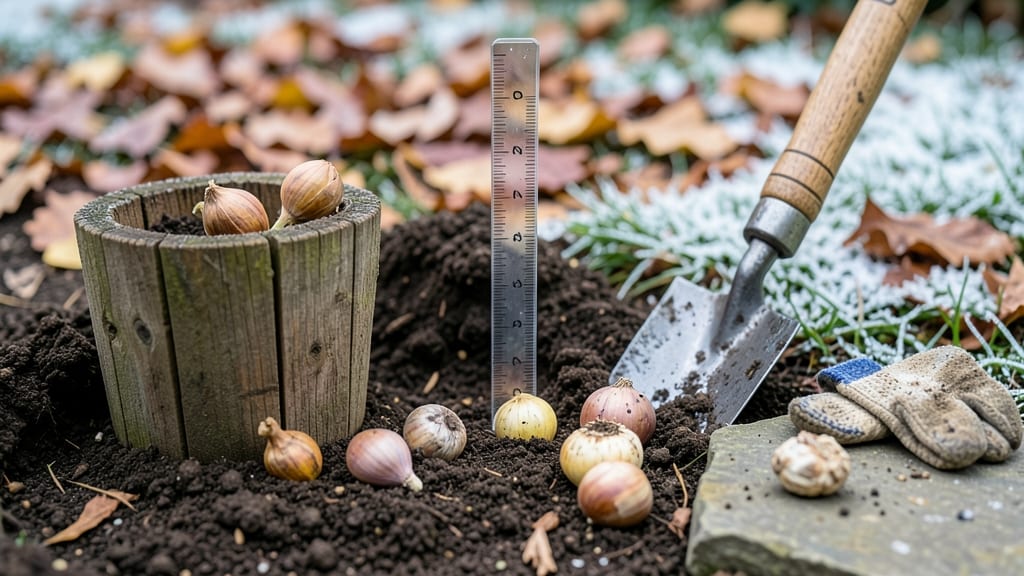
Timing your bulbs (General) 🌱 planting in Zone 4 isn’t just about the calendar—it’s about matching their chill-hour needs to your climate’s unpredictable swings. Plant too early, and frost will turn them to mush; too late, and they’ll sleep through spring.
The secret? Understanding how many cold hours your favorite varieties need before they’re ready to bloom.
Most gardeners in Zone 4 know fall is the prime window—September through November—but the exact dates depend on whether you’re growing tulips that crave 1,500 chill hours or crocuses that thrive with just 600.
I’ll break down the science behind these numbers and show you how to adjust for early frosts or unusually warm winters.
You’ll also discover which bulbs are the most forgiving for Zone 4’s shorter winters, plus pro tips like soil temperature tests and container planting to extend your window. No more guessing—just vibrant blooms that arrive right on schedule.
Let’s turn your bulb planting from a gamble into a foolproof strategy that guarantees next spring’s showstopper flowers. Ready to dig in?
Zone 4 bulb planting timeline by chill-hour needs
In Zone 4, the key to successful bulb planting lies in understanding chill-hour requirements. Most spring-blooming bulbs need 1,200–1,500 hours below 45°F to trigger flowering.
Planting too early risks rot, while planting too late may result in weak or no blooms. Let’s break down the ideal windows for your favorite bulbs.
Fall is the prime season for planting most bulbs in Zone 4. Aim to plant 6–8 weeks before the ground freezes, typically between mid-September and mid-October.
This timing ensures bulbs establish roots before winter sets in. For example, tulips and daffodils thrive with this schedule, while crocuses and alliums can handle slightly later planting.
Chill-hour needs vary by bulb type. Tulips and hyacinths often require 1,200–1,500 chill hours, while daffodils and alliums may need fewer than 1,200 hours. If your winters are milder, opt for low-chill varieties to avoid disappointment. Always check the chill-hour label on bulb packages for precise guidance.
| Bulb Type | Chill Hours Needed | Ideal Planting Window | Notes |
|---|---|---|---|
| Tulips | 1,200–1,500 | Mid-September to mid-October | Plant in well-draining soil; avoid soggy spots. |
| Daffodils | 900–1,200 | Late September to early November | Deer-resistant; great for borders. |
| Hyacinths | 1,200–1,500 | Mid-September to mid-October | Fragrant blooms; plant in clusters. |
| Crocuses | 600–900 | Late September to early November | Early bloomers; great for naturalizing. |
| Alliums | 900–1,200 | Late September to early October | Drought-tolerant; striking globe-shaped flowers. |
For bulbs like fritillaria or grape hyacinths, which need fewer chill hours, you can extend planting into early November. However, avoid planting after the ground freezes, as bulbs won’t root properly. Use a soil thermometer to check temperatures—ideal planting soil should be 40–50°F.
If you miss the fall window, some bulbs can be planted in early spring, such as tulips and hyacinths, but they may bloom later or produce fewer flowers. Spring planting is best for winter-blooming bulbs like snowdrops, which thrive when planted in September or October.
After planting, mulch lightly with straw or leaves to insulate bulbs from extreme cold. Avoid heavy mulch, which can suffocate bulbs. In Zone 4, mulch should be 2–3 inches deep to protect roots without trapping moisture.
This simple step can mean the difference between vibrant blooms and frozen failures.
Pro tip: Mark your bulb planting locations with stakes or flags to avoid disturbing them during winter snow shoveling. In spring, you’ll thank yourself when those first tulip shoots poke through the soil—right on schedule! 🌷
Remember, soil drainage is critical in Zone 4. Amend heavy clay soil with compost or sand to prevent bulbs from rotting during wet winters. A well-draining site ensures bulbs stay healthy and bloom year after year.
Test your soil’s drainage by digging a hole, filling it with water, and timing how long it takes to drain—ideal is 4–6 hours.
For container-grown bulbs, use pots with drainage holes and plant them in well-draining potting mix. Place containers in a protected location, like a garage or shed, until you’re ready to plant them outdoors in fall.
This flexibility lets you adjust planting dates based on weather forecasts or unexpected early frosts. 🌱
How to adjust planting dates for early or late Zone 4 winters
Zone 4 winters are famously unpredictable—one year you’ll have deep freezes by November, and the next, mild spells linger into December. This variability can throw off your bulb-planting schedule, but flexibility is key.
The goal? Plant when soil temps drop below 60°F and 6-8 weeks before the first hard frost (usually mid-October, but not always).
If your winter arrives earlier than usual, rush to plant by late September to avoid rot. Conversely, if mild weather drags on, delay until early November—just don’t wait past the ground freezing solid.
A soil thermometer (around $15) is your best friend here; aim for 50–55°F at planting depth.
🌱 Pro Tip: Use black plastic mulch to warm cold soil in early fall or straw mulch to insulate late-planted bulbs. Both tricks buy you 1–2 extra weeks of planting flexibility.
⚠️ Avoid These Timing Traps
Too Early: Planting in warm, moist soil (above 60°F) triggers premature sprouting, which rots bulbs before winter sets in. Wait for cooler temps!
Too Late: Frozen ground makes digging impossible. If soil is rock-hard, opt for container planting or wait until early spring for shallow-rooted varieties like crocus.
Frost Forecasts: Check the National Weather Service or local ag extension for first frost dates—but remember, these are averages, not guarantees.
For unusually warm winters, shift to low-chill bulbs (like ‘Tête-à-Tête’ tulips) or spring-plant varieties such as rain lilies or gladiolus corms. These tolerate fewer than 1,200 chill hours, making them safer bets when winters are short.
If you’re late to the game and ground is frozen, potted bulbs are your lifeline. Plant them in deep containers (12+ inches) and move to a garage or unheated shed until spring. Just water sparingly—overwatering in dormancy causes rot.
Finally, mark your calendar for early March—that’s your backup window for spring-planted bulbs like caladiums or begonias, though they’ll bloom later than fall-planted varieties. The key is adaptation: Zone 4 gardening rewards those who watch the weather and adjust on the fly.