
Plants
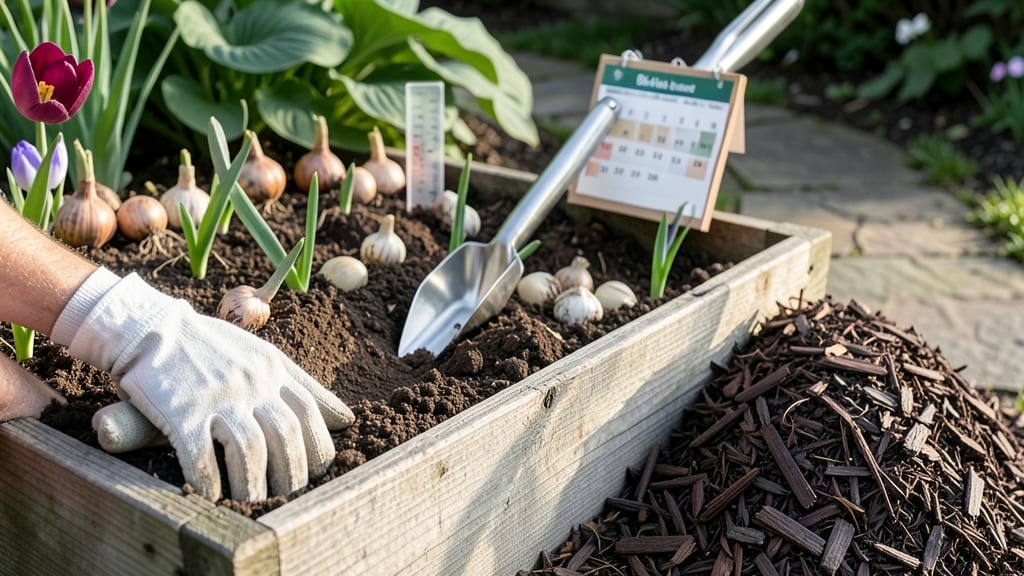
Knowing when to plant bulbs in Zone 8 can transform your garden from a patchy spring display to a vibrant, punctual showstopper. The difference between perfect blooms and missed opportunities often comes down to timing—especially in Zone 8’s mild winters where frost arrives late and lingers briefly.
Fall is the golden window for planting most bulbs, but rushing too early or waiting too long can spell disaster. In Zone 8, where soil stays warm longer, bulbs need 6-8 weeks to establish roots before the first frost hits around mid-December.
Get this wrong, and you risk rot or stunted growth.
I’ve tested the best strategies for Zone 8 gardeners, from soil temperature tricks to adjusting for regional microclimates. Whether you’re planting tulips, daffodils, or 🌷 hyacinths, these insights will help you nail the timing—so your garden bursts into color right on schedule.
Ready to unlock the secrets? Let’s dive into the exact weeks, soil checks, and pro tips that’ll make your fall planting foolproof—no guesswork required.
Zone 8 bulb planting timeline: exact weeks before frost for best results
In Zone 8, where winters are mild and summers can be scorching, timing your bulb planting is everything. Unlike colder zones, you don’t have to rush—just aim for 6-8 weeks before your first hard frost, which typically lands between mid-December and January 15.
This window ensures bulbs establish roots before dormancy sets in.
For most bulbs like tulips, daffodils, and crocus, the sweet spot is October through early November. But Zone 8’s microclimates vary—coastal areas may stay warmer longer, while inland spots can dip faster. Adjust by checking your local soil temperature; it should hover around 50-60°F for ideal planting.
Here’s the breakdown: September is too early for most bulbs (unless you’re in a cooler microclimate), while December risks frost damage before roots settle. Use this table to pinpoint the best 6-week window for your favorite bulbs.
| Bulb Type | Optimal Planting Window (Zone 8) | Soil Temp Threshold | Notes |
|---|---|---|---|
| Tulips | Mid-October to November 1 | 50-60°F | Needs 12-16 weeks of chill time |
| Daffodils | October 15 to November 15 | 50-60°F | More drought-tolerant than tulips |
| Crocus | September 15 to October 15 | 45-55°F | Early bloomer; plant sooner for spring color |
| Hyacinths | October 1 to November 10 | 50-60°F | Needs well-draining soil to prevent rot |
| Alliums | October 15 to November 15 | 50-60°F | Tolerates hotter summers better than tulips |
| Lilies | October 1 to November 15 | 55-65°F | Plant deeper (6-8 inches) for stability |
Adjust dates 1-2 weeks earlier for inland Zone 8 or later for coastal areas.
Pro tip: If your fall is unusually warm, delay planting until soil cools. Use a soil thermometer to monitor—bulbs planted in warm soil may rot before roots form. For spring-planted bulbs like caladiums or cannas, wait until after your last frost (mid-February) when soil reaches 60°F.
Zone 8 gardeners often face mild winters with sporadic frost. To protect early bloomers like crocus or snowdrops, mulch with 2-3 inches of straw after planting. This insulates bulbs while keeping moisture locked in—critical for drought-prone Zone 8 soils.
Don’t overlook moon phases for planting! While not scientific, many gardeners swear by planting root crops (like bulbs) during a waxing moon for stronger root development. Check a lunar calendar and aim for the first quarter moon in October for best results.
For late bloomers like gladiolas, you can push the envelope to early December in Zone 8’s warmer microclimates. Just ensure the ground isn’t frozen—use your finger to test 6 inches deep. If it’s still workable, the bulbs can still thrive.
Remember: Zone 8’s long growing season means you can experiment! Try double-layered plantings—plant crocus in September for early spring color, then add tulips in October for a staggered bloom. This creates a continuous spring display that’s pure magic.
Finally, mark your calendar for next year’s planting using your local average first frost date. In Zone 8, this is usually January 15, but urban heat islands or high elevations can shift it by 1-2 weeks. Adjust accordingly!
5 Critical signs your Zone 8 bulbs are ready for fall planting (and 3 mistakes to avoid)
Zone 8’s mild winters can trick even experienced gardeners into planting bulbs at the wrong time. The key is watching for 5 critical signs that confirm your soil and climate are perfect for fall planting.
Miss these cues, and you risk bulbs rotting in warm soil or failing to bloom on schedule.
First, check your soil temperature. Bulbs need soil below 60°F (15°C) to start rooting. Use a soil thermometer—if it reads higher, wait a week or two. Zone 8’s extended growing season often keeps soil warm longer than expected, so don’t rush planting in September.
Next, monitor your local first frost date. In most of Zone 8, this falls around mid-December, but microclimates (like coastal areas) can push it later. Plant bulbs 6-8 weeks before frost—typically late October to early November—to give roots time to establish.
⚠️ Zone 8 Warning: 3 Mistakes That Kill Bulbs
- Planting in soggy soil: Zone 8’s occasional heavy rains can drown bulbs. Ensure drainage by amending soil with compost or planting on mounds.
- Ignoring bulb dormancy: Some bulbs (like tulips) need a cold period. If your winter is too mild, use chilling tricks (see next section) to mimic dormancy.
- Skipping soil prep: Compacted or nutrient-poor soil stunts growth. Loosen soil to 12 inches deep and mix in bone meal for phosphorus.
🌱 Pro Tip: Test soil pH—bulbs thrive in 6.0-7.0. Adjust with lime or sulfur if needed.
Look for dry, crisp air and shorter days—signs that bulbs are entering dormancy naturally. This is your green light to plant! Also, inspect your bulbs: healthy ones should feel firm and plump, with no signs of mold or soft spots. Discard any that look damaged.
Finally, consider your local microclimate. Coastal Zone 8 areas (like San Francisco) stay milder longer, while inland spots (like Austin) may frost earlier. Adjust your planting window by 1-2 weeks based on your specific location’s history.
With these signs in mind, you’ll avoid the 3 deadly mistakes that sabotage Zone 8 bulb plantings. Now, let’s tackle what to do if you’ve missed the traditional window—because even late plantings can succeed with the right tricks! 🌿