
Plants
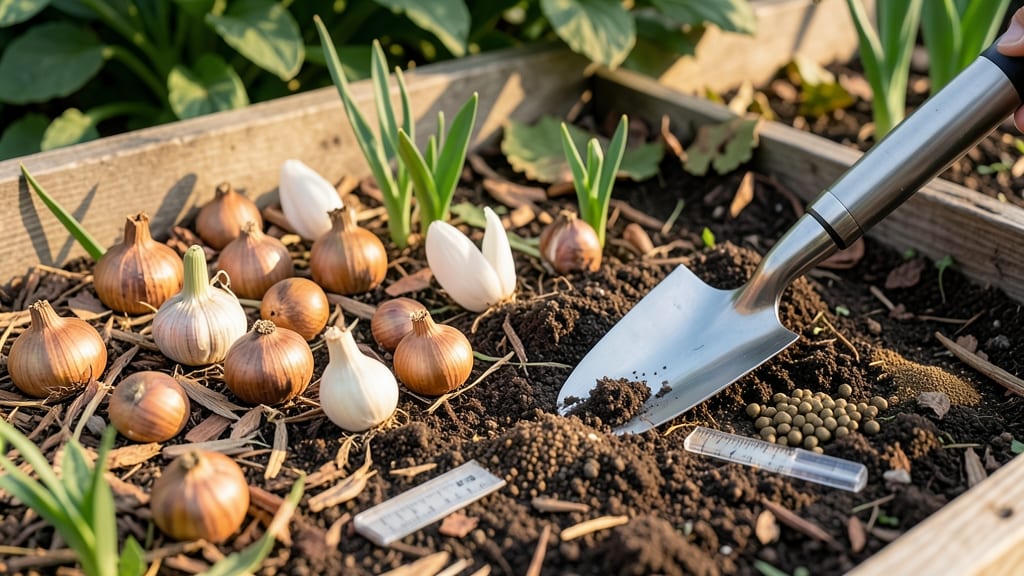
Planting bulbs in Houston might seem tricky with its humid summers and mild winters, but getting the timing right is the secret weapon for vibrant blooms that last all season.
The key isn’t just knowing when to plant—it’s understanding how Houston’s unique climate affects each bulb type, from heat-loving rain lilies to frost-sensitive daffodils.
If you’ve ever watched bulbs wilt before they even bloom or struggle with soggy soil, you’re not alone. Houston’s 9a zone and sticky air demand a different approach than cooler climates.
I’ll break down the perfect planting windows for fall and spring, plus the must-know tricks to keep your bulbs thriving in Houston’s heat and humidity.
Whether you’re a first-time gardener or a seasoned pro, timing matters—especially in Houston. Miss the September-November window for fall bulbs, and you might skip next spring’s showstopper blooms. Let’s dive into the exact schedule and pro tips to make your garden pop year after year.
From soil prep to choosing the right bulbs, I’ll cover everything you need to know to avoid common mistakes and maximize your blooms. Ready to transform your yard into a colorful paradise? Let’s get started.
Houston’s best bulb planting calendar by season (with humidity adjustments)
Houston’s USDA Zone 9a climate means we can grow bulbs year-round, but timing is everything. Unlike cooler regions, we must account for high humidity and mild winters that delay frost.
Fall planting is critical for spring blooms, while summer bulbs thrive in Houston’s heat. Let’s break down the exact months to plant each type—plus adjustments for Houston’s unique weather patterns.
Most gardeners focus on fall planting (September–November) for spring bloomers like daffodils and tulips, but Houston’s warm soil and late frosts (around January 10) shift the ideal window.
Summer bulbs, like rain lilies, can be planted as early as March, while fall favorites such as crocus need to go in the ground by November 1 to establish roots before summer heat returns.
Here’s the month-by-month breakdown tailored for Houston, including humidity-proof tips to avoid rot or premature sprouting.
| Season | Bulb Type | Planting Window | Houston Adjustment | Bloom Time |
|---|---|---|---|---|
| Fall | Daffodils, Tulips, Hyacinths | September–November | Plant by October 15 to avoid summer heat stress. | March–April |
| Fall | Crocus, Snowdrops | November–December | Use shade cloth if planting late to prevent early sprouting. | January–February |
| Spring | Rain Lilies, Canna | March–April | Avoid planting before March 15—soil must be 60°F+. | Summer–Fall |
| Summer | Spider Lilies, Daylilies | May–June | Water deeply 2x/week during Houston’s dry spells. | July–September |
| Year-Round | Caladiums, Elephant Ears | March–April (or September for fall color) | Plant in partial shade to prevent leaf scorch. | Summer–Fall |
Houston’s high humidity can cause bulbs to rot if planted too late or in compacted soil. For fall plantings, aim to get bulbs in the ground by October 15—this gives roots time to establish before summer heat returns.
If you miss this window, opt for heat-tolerant varieties like rain lilies or spider lilies, which handle Houston’s climate better than traditional tulips.
Spring planting (March–April) is ideal for summer-blooming bulbs like cannas and caladiums. These thrive in Houston’s heat but need well-draining soil to prevent root rot. Amend your soil with sand or perlite if your yard has heavy clay—a common issue in Houston gardens.
Pro tip: Mark your calendar for November 1, the last day to plant fall-blooming bulbs like crocus. After this date, the soil stays too warm, and bulbs may sprout prematurely, only to wilt in Houston’s summer heat. Use shade cloth over newly planted bulbs if you’re pushing the deadline.
For spring-blooming bulbs, like daffodils and tulips, plant them in September or early October. These bulbs need 6–8 weeks of cool soil to root before Houston’s winter arrives. If you plant later than October, the bulbs may not establish strong roots before the heat returns in spring.
Houston’s late frosts (around January 10) can also affect bulb blooming. If you plant <
How to beat Houston’s heat and humidity for bulb success
Houston’s sticky air and high humidity can turn bulb planting into a high-stakes game of survival for your flowers. But with the right strategies, you can outsmart the climate and still enjoy stunning blooms.
The key is preparing your soil, choosing the right bulbs, and adjusting your care routine to match Houston’s 9a zone challenges.
First, focus on well-draining soil—Houston’s clay-heavy soil holds too much moisture, which can cause bulbs to rot. Amend your soil with sand or perlite to improve drainage before planting. I’ve found that mixing in composted pine bark also helps break up compacted soil while adding organic matter.
🌱 Houston Bulb Care Essentials
- 1. Soil Prep: Test pH (aim for 6.0-7.0) and amend with sand/perlite for drainage.
- 2. Shade Adjustments: Use 30% shade cloth for summer bulbs like cannas.
- 3. Watering: Water deeply in mornings (avoid evenings to prevent fungal growth).
- 4. Mulching: Apply 2-3 inches of mulch (straw or pine bark) to retain moisture.
- 5. Bulb Selection: Choose heat-tolerant varieties like spider lilies or rain lilies.
Next, timing your watering is critical. Houston’s heat can dry out bulbs quickly, but overwatering leads to rot. I recommend deep watering in the morning—this gives roots time to absorb moisture before the heat sets in.
For newly planted bulbs, water every 5-7 days until they establish roots, then taper off to weekly deep soaks.
Don’t overlook shade solutions for summer bulbs. Even heat-loving varieties like cannas appreciate afternoon shade during Houston’s 90°F+ summers. I’ve had great success using lightweight shade cloth (30% coverage) over containers or raised beds. For in-ground plantings, consider locating bulbs near tall shrubs or trees that provide natural shade.
Finally, mulching is a game-changer in Houston’s climate. A 2-3 inch layer of straw or pine bark mulch helps regulate soil temperature, retains moisture, and suppresses weeds. Just be sure to keep mulch 2-3 inches away from bulb bases to prevent rot.
I’ve seen bulbs last 2-3x longer with proper mulching compared to unmulched beds.
With these adjustments, your bulbs will thrive despite Houston’s humidity. The secret is preparation and patience—don’t rush planting, and always adapt your care routine to match the season’s demands. Your garden will thank you with bold, reliable blooms year after year.