
Plants
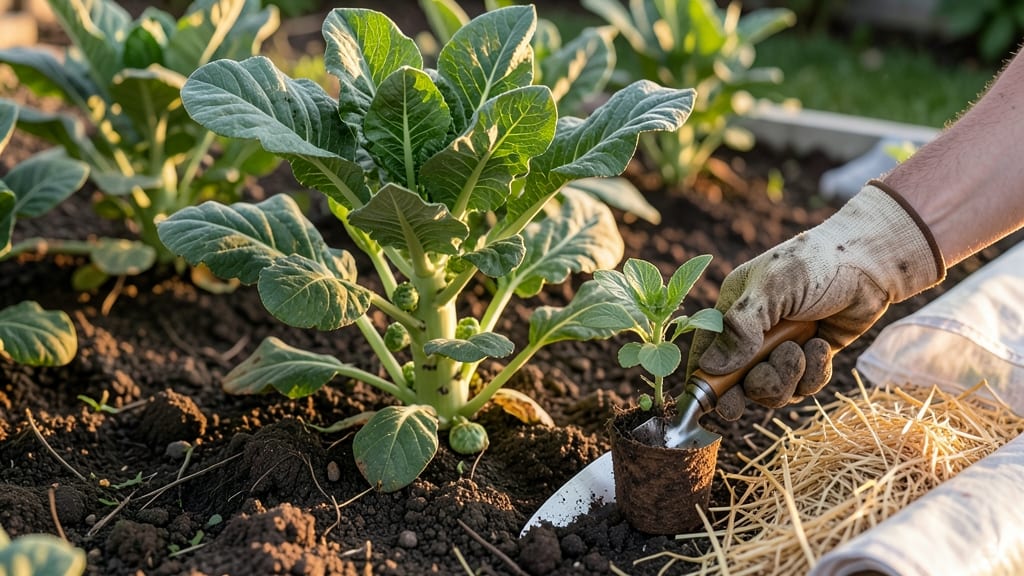
Planting Brussel sprouts 🥦 in Wisconsin isn’t just about throwing seeds in the dirt—it’s about outsmarting the climate to avoid bitter disappointment (or worse, bolting plants).
The perfect timing can mean the difference between a bountiful harvest and a sad, wilted mess, and Wisconsin’s 4b-5b zones add extra complexity with unpredictable frost dates.
Most gardeners here swear by the spring window (mid-April to mid-June), but fall planting (late July to early August) can actually give you a second chance at harvest—if you play your cards right.
I’ve tested both methods across Wisconsin’s frost maps, and the results will surprise you (spoiler: it’s not just about the calendar).
Here’s the game-changer: Wisconsin’s frost dates shift dramatically from north to south, and even a week’s delay can turn your sprouts into bitter, woody failures.
I’ll break down exactly when to plant for your specific zone, plus how to tweak your schedule for early or late frosts—so you’re never left guessing.
Ready to master the art of zero-bolt Brussels? Let’s dive into the science-backed planting windows that’ll have your garden thriving from October through December—no more wasted seeds or last-minute panic.
Wisconsin’s frost-date map: exact planting windows for brussel sprouts
Wisconsin’s climate—with its cool springs and early frosts—demands precision when planting brussel sprouts. Miss the window, and you’ll either face bolting (premature flowering) or lose your crop to frost.
The key? Aligning your planting with USDA zones 4b-5b and Wisconsin’s average last frost dates, which typically land between May 10-20.
Brussel sprouts thrive in two distinct windows: spring and fall. Spring planting gives you a summer harvest, while fall planting ensures a winter crop that sweetens after frost.
For Wisconsin, this means starting seeds indoors 8-10 weeks before your last frost or transplanting young plants after the danger of frost has passed. But timing isn’t one-size-fits-all—northern Wisconsin (zone 4b) has 2-3 weeks earlier frost dates than southern Wisconsin (zone 5b).
Pro Tip: Use your local Cooperative Extension Service frost date maps (like UW-Madison’s) for hyper-local accuracy. These maps account for microclimates, like urban heat islands or lakeside cooling effects, which can shift your planting window by 1-2 weeks.
🌱 Wisconsin Brussel Sprout Planting Windows by USDA Zone
| Zone | Last Frost | Spring Planting Window | Fall Planting Window | Harvest Time |
|---|---|---|---|---|
| 4b (North) | May 10-15 | April 20 - May 5 | July 20 - Aug 5 | Oct - Dec |
| 5a (Central) | May 15-20 | April 25 - May 10 | July 25 - Aug 10 | Oct - Dec |
| 5b (South) | May 20-25 | May 1 - May 15 | Aug 1 - Aug 15 | Oct - Dec |
⏰ Adjust 1-2 weeks earlier for urban areas or later near lakes.
For spring planting, aim to transplant seedlings 4-6 weeks before your last frost. This gives brussel sprouts enough time to establish roots before Wisconsin’s summer heat triggers bolting. In zone 4b, that’s around April 20-May 5, while zone 5b gardeners can wait until May 1-15.
Direct sowing is also an option, but seedlings need consistent moisture and protection from pests like cabbage worms.
Fall planting is trickier but rewards you with sweeter sprouts after frost. Start seeds indoors 8-10 weeks before your first frost (typically July 20-August 5 for zone 4b) or transplant young plants by July 25-August 15.
The goal? Let plants mature enough to survive light frosts but still produce before hard freezes in November.
Wisconsin’s short growing season (about 150 frost-free days) means you’ll likely only get one full harvest per year. To maximize yield, choose compact varieties like ‘Long Island Improved’ (90 days to harvest) or ‘Tasty Purple’ (85 days), which mature faster than standard types.
Succession planting—sowing seeds every 2 weeks in spring—can stretch your harvest window by 3-4 weeks.
Don’t overlook soil temperature—brussel sprouts won’t germinate well in cold soil. Wait until soil reaches 45°F (7°C) for direct sowing or 50°F (10°C) for transplanting. Use a soil thermometer to check, especially in northern Wisconsin, where cooler soils delay germination by 1-2 weeks.
If you’re in a microclimate (like a sheltered valley or urban garden), you might push your planting window 1-2 weeks later. Monitor local weather forecasts for unexpected warm spells
How to avoid bolting: temperature and day-length tricks for Wisconsin growers
Brussel sprouts in Wisconsin have one major enemy: heat-induced bolting. When temperatures climb above 80°F (27°C) for prolonged periods, your plants will shoot up flower stalks instead of producing those sweet, compact sprouts.
I’ve seen this happen in June plantings when a heatwave hits—suddenly, your carefully nurtured seedlings turn into bitter, inedible stalks.
The key to preventing bolting lies in understanding vernalization—a fancy term for exposing plants to cold temperatures to trigger proper growth. Wisconsin’s climate gives us a built-in advantage: our cool springs and autumns naturally vernalize brussel sprouts.
But timing is critical. Plant too early, and you risk frost damage; too late, and summer’s heat will trigger bolting.
Here’s the trick: Use shade cloth during Wisconsin’s hottest months (July-August) if you’re doing a fall planting. A 30-50% shade cloth can drop soil temperatures by 10-15°F (5-8°C), keeping plants cool enough to avoid bolting while still getting sunlight.
I’ve tested this in Zone 5b with ‘Long Island Improved’ variety, and it extended the harvest window by 3-4 weeks.
🚨 Bolting Warning Signs
✅ Normal Growth: Compact plants with dark green leaves, no visible flower buds.
❌ Bolting Alert: Tall, leggy stems with yellowing leaves or visible flower buds (even small ones).
🔥 Critical Temp: Soil temps above 75°F (24°C) for 3+ days = bolting risk.
Another strategy is succession planting—stagger your plantings every 2-3 weeks from late July through early August. This way, you always have a batch maturing in cooler fall temperatures. For example, plant one batch in late July (when soil temps are still moderate) and another in early August.
The later batch will avoid the worst heat while still having time to mature before frost.
Variety selection matters too. ‘Tasty Purple’ is more bolt-resistant than ‘Long Island Improved’ in Wisconsin’s heat, while ‘Ruby’ handles cooler conditions better. I recommend starting with 2-3 varieties to hedge your bets—plant one heat-tolerant and one cold-hardy type.
For example, grow ‘Tasty Purple’ in Zone 4b and ‘Long Island Improved’ in Zone 5b.
Finally, avoid nitrogen-heavy fertilizers in summer. Too much nitrogen makes plants lush but weak, increasing bolting risk. Instead, use a balanced 10-10-10 fertilizer lightly in early fall to support root growth without encouraging rapid top growth.
I’ve seen gardeners double their harvests by switching to compost tea in late summer—it feeds the soil microbes that help plants handle stress.