
Plants
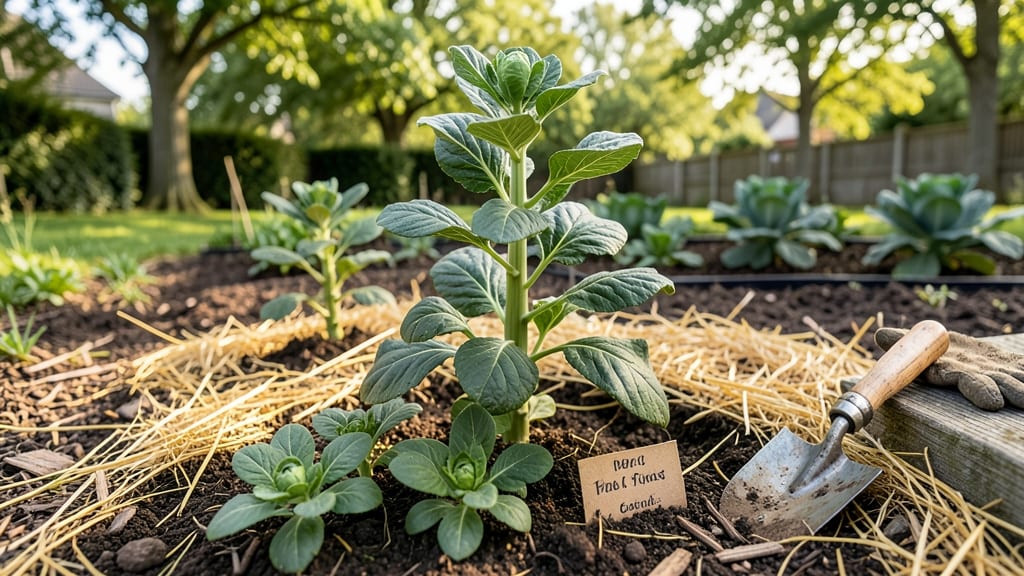
Timing is everything when you're growing Brussel sprouts in Kansas—plant them too early, and you’ll end up with bitter, bolted greens. Too late, and your harvest shrinks before frost hits. The key to plump, sweet 🥦 all season? Nailing those frost-free windows in USDA Zone 6a.
Kansas gardeners know the struggle: cool springs and unpredictable fall frosts make scheduling tricky. But with the right planting windows—mid-April to early June for spring or late July to early September for fall—you can sidestep bolting and maximize your yield.
I’ll break down exactly when to start seeds indoors or transplant, so you’re ready to harvest from October through December.
Why does this matter? Because Brussel sprouts need 60-90 days of cool weather to mature, and Kansas’ climate can throw a wrench in those plans.
Whether you’re in Wichita or Kansas City, I’ll show you how to adjust for your local frost dates and keep your plants thriving—no guesswork, just results.
Ready to grow a bumper crop? Let’s dive into the frost-free timeline that’ll turn your garden into a Brussel sprout powerhouse, no matter what Kansas throws your way.
Kansas frost dates for Brussel sprouts: exact planting windows by region
Kansas’ USDA zones 5-7 create perfect conditions for Brussel sprouts, but timing is everything. Plant too early, and your sprouts bolt in the heat. Too late, and frost ruins your harvest. I’ll break down the exact frost-free windows for Kansas City, Wichita, and Topeka—plus how to adjust for microclimates.
Brussel sprouts need 60-90 days of cool weather to mature. In Kansas, that means two planting windows: spring (April-May) and fall (July-August). Miss these, and you risk bitter sprouts or wasted effort. Let’s dive into the data.
| Region | Last Frost Date | First Frost Date | Spring Planting Window | Fall Planting Window |
|---|---|---|---|---|
| Kansas City | April 15 | October 15 | Mid-April to early June | Late July to early September |
| Wichita | April 10 | October 20 | Late March to mid-May | Early July to late August |
| Topeka | April 20 | October 10 | Early April to late May | Mid-July to early September |
🌱 Note: Adjust 1-2 weeks earlier for northern Kansas (USDA 5) or later for southern Kansas (USDA 7).
For Kansas City, aim to plant Brussel sprouts between April 15 and June 1 for spring harvests. If you’re in Wichita, you can start as early as late March—but protect seedlings with row covers if frost lingers.
Topeka gardeners have a slightly shorter window but can push fall plantings into early September for late harvests.
Fall plantings are my favorite in Kansas because the cool nights sweeten the sprouts. Start seeds indoors 6-8 weeks before your first frost date (e.g., by June 15 for Kansas City) to get a head start. Transplant seedlings outdoors once soil temps drop below 80°F—this prevents bolting.
Microclimates matter! If you’re in a valley or low-lying area, expect frost 1-2 weeks later than official dates. Use a frost calendar or local weather station to fine-tune your schedule. I’ve had success in Hays planting 2 weeks later than Topeka’s timeline.
Pro tip: Succession planting every 2 weeks in spring and fall extends your harvest. For example, in Kansas City, plant one batch on April 15, another on May 1, and a final batch on July 15 for staggered harvests from October to December.
Watch for late-spring heatwaves, which can stress young plants. If temps hit 90°F+, provide shade cloth until soil cools. In my garden, a 30% shade cloth saved a batch of Brussel sprouts from bolting during a May heatwave in 2022.
Remember: Brussel sprouts need full sun (6+ hours/day) and well-draining soil. Amend your beds with compost before planting to improve drainage—Kansas’ clay soil can lead to rot if water pools.
How to calculate your local planting timeline for zero-bolt success
Calculating your exact Brussel sprout planting window in Kansas starts with understanding historical frost dates and maturity timelines. Most varieties need 60-90 days to reach harvest, so timing is everything to avoid heat-induced bolting or frost damage.
Let’s break this down step by step—because a miscalculation could mean tiny, bitter sprouts instead of your dream harvest.
First, note Kansas’ USDA Zone 6a average last frost date: April 15 for most regions. But don’t just plant on that date—subtract 6-8 weeks to account for indoor seed starting.
For example, if your last frost is April 20, start seeds indoors by February 15 to transplant ready plants by April 10. This head start ensures strong, established plants before the growing season kicks into gear.
🔍 Pro Tip: Use the National Weather Service’s frost prediction maps or your local Cooperative Extension Service for hyper-localized data. Even a 5-mile difference in elevation can shift frost dates by 3-5 days—critical for cool-season crops like Brussels.
📋 Step-by-Step Planting Timeline Calculator
- Step 1: Find your last frost date (e.g., April 15 for most of Kansas).
- Step 2: Subtract 6-8 weeks for indoor seed starting (e.g., February 15).
- Step 3: Add 90 days to your transplant date to estimate harvest time (e.g., July 10).
- Step 4: For fall planting, aim to transplant by July 15 to harvest before first frost (October 15).
- Step 5: Adjust for soil temperature: Brussels need 45°F+ soil to germinate. Use a soil thermometer to confirm readiness.
For fall harvests, work backward from your first frost date (October 15). If you plant seeds outdoors in late July, they’ll mature by mid-October, giving you a 2-week harvest window before hard frosts.
This is why succession planting (every 2 weeks) maximizes yield—staggered crops ensure a steady supply instead of one overwhelming harvest.
Don’t overlook heatwaves, which can stress Brussels. If temperatures hit 85°F+, use shade cloth (30-50%) to protect young plants. In Wichita (Zone 7a), where summers are hotter, opt for early spring or late summer plantings to avoid bolting.
Meanwhile, Kansas City (Zone 6a) gardeners have more flexibility with two full planting windows—spring and fall.
🌱 Final Check: Verify your maturity timeline matches the variety. ‘Long Island Improved’ takes 90 days, while ‘Ruby Ball’ matures in 75 days. Plant faster varieties if your season is short or if you’re pushing late harvests.
With this method, you’ll never bolt a crop again—just plump, sweet Brussels ready for the table.