
Plants
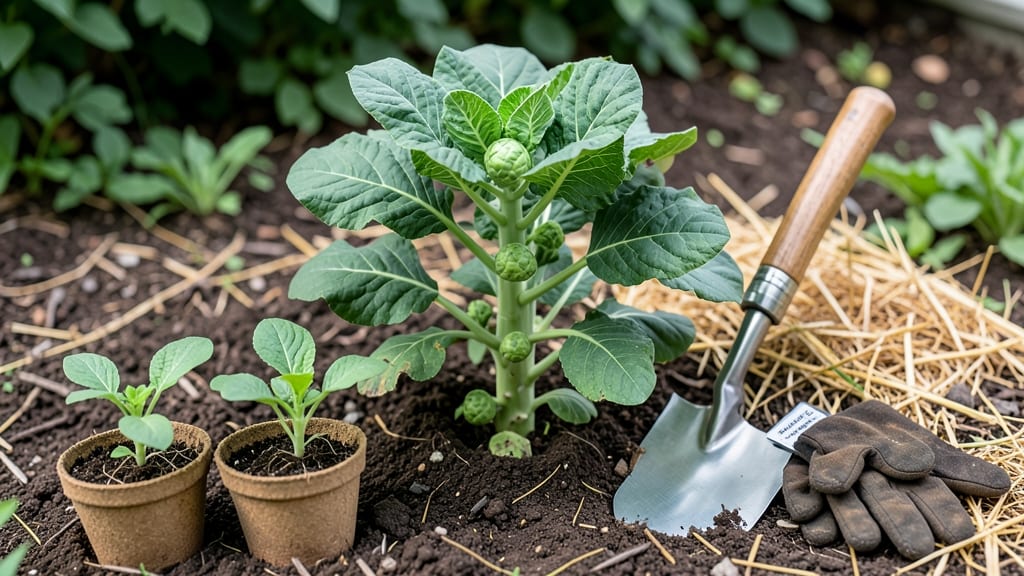
Planting Brussel sprouts in Arkansas at the wrong time can turn your garden dreams into a frosty disappointment. These cold-loving veggies 🥦 need precise timing to thrive in your 7a-8a zone, where early spring and late fall frost dates create a narrow window for success.
If you miss the April 15 - May 15 spring window or the August 1 - September 1 fall slot, you risk stunted growth or harvests ruined by unexpected freezes.
The key is understanding Arkansas's frost patterns—because planting too early means bolting, while planting too late means no harvest at all.
I'll show you exactly how to align your planting schedule with Arkansas's frost dates, whether you're starting seeds indoors or sowing directly. With the right timing, you'll get a bumper crop of flavorful sprouts from October through December—just in time for holiday meals.
Let's dive into the step-by-step planting timeline that works for Arkansas's unique climate, so you can avoid common mistakes and enjoy a garden full of these delicious, nutrient-packed veggies all season long.
Arkansas frost dates and ideal planting windows for Brussel sprouts
Arkansas’s USDA hardiness zones 7a-8a create perfect conditions for growing brussel sprouts, but timing is everything. The state’s average last frost date falls around March 15, while the first frost typically hits November 15.
This 190-day frost-free window gives you two prime planting opportunities: spring and fall. Planting outside these windows risks frost damage or bolting from heat stress.
For a fall harvest, aim to plant between April 15 and May 15. This ensures your sprouts mature before the first frost. If you prefer a spring harvest, plant between August 1 and September 1.
Both windows align with Arkansas’s soil temperatures and daylight hours, maximizing growth potential. Missing these windows? Don’t worry—we’ll cover how to extend your season later!
Here’s a quick reference for Arkansas’s frost dates and planting windows:
| Factor | Details |
|---|---|
| USDA Zones | 7a-8a |
| Last Frost Date | March 15 |
| First Frost Date | November 15 |
| Frost-Free Days | 190 days |
| Spring Planting Window | April 15 - May 15 |
| Fall Planting Window | August 1 - September 1 |
| Harvest Window | October - December |
| Soil Temp for Planting | 50°F+ |
Northern Arkansas (zones 7a) has slightly earlier frost dates, while southern Arkansas (zones 8a) enjoys a longer growing season. For example, Fayetteville (7a) might see its first frost by October 31, while Little Rock (8a) could delay until November 20.
Always check your local frost date map for precise timing. Planting too early in spring risks bolting from heat, while late fall plantings may not mature before frost.
Brussel sprouts thrive in cool weather, so avoid planting during Arkansas’s hottest months (June-August). Instead, focus on the shoulder seasons when temperatures are mild. For example, planting in late April gives your sprouts enough time to establish roots before summer heat sets in.
Similarly, a September planting ensures a harvest before winter frost.
One common mistake Arkansas gardeners make is planting brussel sprouts too early in spring. If you start seeds in March, they may bolt before reaching maturity.
To avoid this, wait until soil temperatures are consistently above 50°F. Use a soil thermometer to monitor conditions—this small tool can save your entire crop!
For a fall harvest, prioritize early-maturing varieties like ‘Long Island Improved’ (90 days) or ‘Ruby Ball’ (95 days). These varieties can handle Arkansas’s shorter growing season better than slower-maturing types.
If you’re in zone 7a, stick to the earlier end of the planting window (April 15) to ensure maturity before frost.
Pro tip: Arkansas’s humidity can create challenges for brussel sprouts, increasing the risk of disease. To combat this, choose disease-resistant varieties like ‘Tasty Purple’ or ‘Corvette’ and practice crop rotation if you grow them yearly.
Also, ensure your garden has well-draining soil to prevent waterlogged roots, which thrive in Arkansas’s clay-heavy soils.
Ready to dive deeper? In the next section, we’ll break down a month-by-month planting timeline tailored to Arkansas’s climate. You’ll learn exactly when to start seeds indoors, transplant outdoors, and harden off seedlings for maximum success.
Arkansas frost dates and ideal planting windows for Brussel sprouts
Arkansas’s USDA hardiness zones 7a-8a create perfect conditions for Brussel sprouts, but timing is everything. The average last frost date is around March 15, while the first frost typically arrives by November 15. This 190-day frost-free window gives you two prime planting opportunities: spring and fall.
For spring planting, aim to sow seeds 4-6 weeks before your last frost date (around mid-March). However, Arkansas’s hot summer months can stress young plants, so transplant seedlings outdoors by April 15-May 15 to avoid bolting.
Fall planting is even more critical—start seeds 8-10 weeks before the first frost (around August 1-September 1) for a harvest in October-December.
🌱 Arkansas Brussel Sprout Planting Guide
| Planting Window | USDA Zones | Key Dates | Notes |
|---|---|---|---|
| Spring Planting | 7a-8a | April 15 - May 15 | Transplant after soil reaches 40°F+; avoid summer heat. |
| Fall Planting | 7a-8a | August 1 - September 1 | Harvest before first frost for best flavor. |
| Soil Prep | All | March & September | Amend with compost and aged manure for rich soil. |
Northern Arkansas (zones 7a) has slightly earlier frost dates than southern regions (8a), so adjust your schedule by 1-2 weeks if you’re in the Ozark Mountains. Use row covers or cold frames to extend your growing season by 2-4 weeks in early fall or late spring.
Always monitor local weather forecasts—a late frost in April or an early one in October can derail your harvest.
If you’re direct sowing seeds, Arkansas’s warm soil in spring means you can skip indoor starts—just plant seeds ½ inch deep in well-draining soil after the last frost. For transplants, buy 6-week-old seedlings from nurseries and harden them off for 7-10 days before setting them out.
This acclimation period prevents shock and ensures strong root growth.
Pro tip: Succession plant every 2 weeks in fall to stagger your harvest. This way, you’ll have fresh Brussel sprouts from October through December, even if a late frost hits.
Pair this with ‘Ruby Ball’ or ‘Long Island Improved’ varieties, which thrive in Arkansas’s climate and resist common pests like cabbage worms.
Remember, Brussel sprouts need full sun (6+ hours daily) and consistent moisture. In Arkansas’s humid summers, mulch heavily to retain soil moisture and prevent bolting. With the right timing, you’ll enjoy a bountiful harvest that rivals any grocery store find! 🌱