
Plants
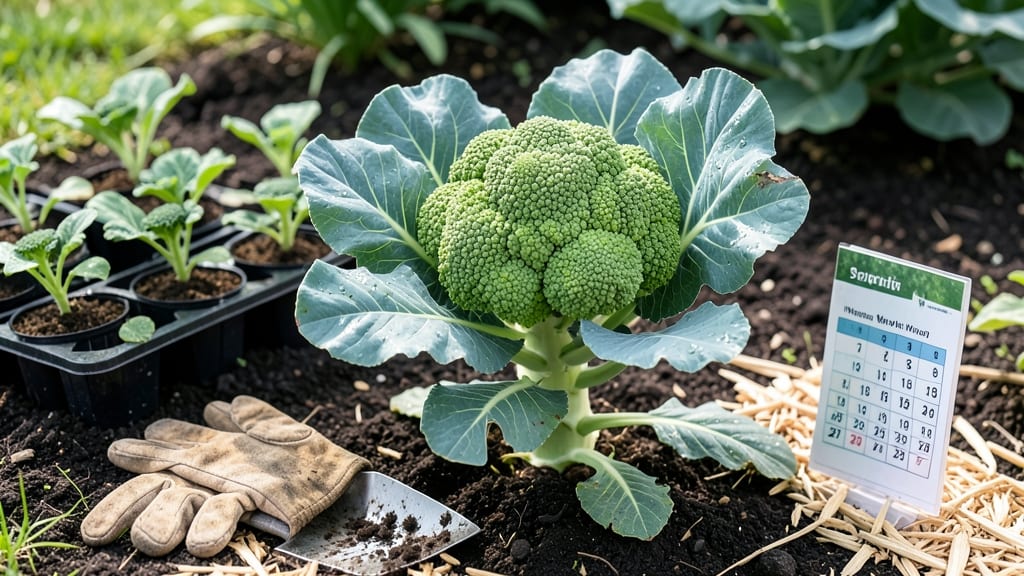
Planting broccoli in Texas isn’t just about timing—it’s about outsmarting the heat before your plants bolt into oblivion. With USDA zones 8a-10b and scorching summers, most gardeners either wait too late or give up entirely. But the secret to a bountiful harvest lies in two narrow windows: late summer for fall crops or early spring before the mercury climbs.
Why does timing matter so much? Broccoli 🥦 thrives in cool weather, and Texas’ unpredictable swings from 100°F to 40°F can turn your garden into a high-stakes game of chance. Plant too early, and you’ll battle heat stress; too late, and frost steals your harvest.
The solution? Heat-tolerant varieties and a 4-6 week buffer before the first frost—whether that’s November in North Texas or January in the Rio Grande Valley.
In this guide, I’ll break down the exact months to plant by region, the top 5 heat-resistant varieties that actually work in Texas, and pro tips to extend your growing season—like shade cloth, mulch, and companion plants that keep pests at bay.
No more guessing games, just a foolproof plan for bold, harvest-ready broccoli even in the Lone Star State.
Ready to ditch the trial-and-error? Let’s get your garden on track for a fall or spring harvest that’ll make your neighbors green with envy (literally).
Best months to plant broccoli in Texas by climate Zone (avoid bolting & heat stress)
Texas’ three distinct climate zones—North, Central, and South—dictate when to plant broccoli to avoid heat stress and premature bolting.
In North Texas (USDA Zones 7b-8a), cooler temperatures allow for fall and early spring plantings, while South Texas (Zones 9a-10b) gardeners must focus on winter or late fall to escape summer heat. Central Texas (Zones 8a-8b) falls in between, with two planting windows per year.
Broccoli thrives in cool weather (50–75°F), but temperatures above 80°F trigger bolting—the plant’s way of flowering and going to seed before producing edible heads. Texas’ variable frost dates (November in North Texas to January in South Texas) further complicate timing.
The solution? Plant 4–6 weeks before the first frost for fall crops and 4–6 weeks before the last frost for spring.
Here’s your zone-specific planting schedule to maximize yields and avoid common mistakes like overcrowding or poor soil prep. We’ll cover direct sowing (seeds) and transplanting (seedlings) for both fall and spring.
⚠️ CRITICAL TIMING RULE: Never plant broccoli when daytime highs exceed 85°F. Use shade cloth or row covers if extending the season in marginal zones.
For direct sowing, broadcast seeds ¼-inch deep in well-prepared soil with a pH of 6.0–7.0. Seedlings typically emerge in 7–14 days at optimal temperatures. If transplanting, choose 4–6 week-old seedlings with 4–6 true leaves and harden them off for 3–5 days before planting.
In North Texas, I’ve had success with late August starts under floating row covers to protect young plants from late-summer heat. The covers can be removed once daytime temps drop below 80°F.
In South Texas, winter plantings in October–November yield the best results, with harvests stretching into March.
Watch for cabbage worms and aphids, which thrive in Texas’ mild winters. Apply neem oil or Bt (Bacillus thuringiensis) as a preventive measure. Companion plants like dill, basil, or marigolds can deter pests naturally.
If you miss the ideal window, don’t despair! Succession planting every 2–3 weeks in fall or spring can stretch your harvest. Just ensure soil temps stay below 85°F at all times. For container growing, use 5-gallon pots with well-draining soil and keep them in partial shade during peak heat.
Remember:
Best months to plant broccoli in Texas by climate Zone (avoid bolting & heat stress)
Texas’ three distinct climate zones (North, Central, South) mean your broccoli planting window shifts dramatically—from September in North Texas to January in the Rio Grande Valley. The golden rule?
Plant 4-6 weeks before the first frost (or 4-6 weeks before last frost for spring). Miss this, and you’ll either roast your plants or lose them to cold snaps.
For North Texas (USDA 8a), aim for late August to early October for fall crops or February to early March for spring. Central Texas (USDA 8b-9a) has a slightly wider window: mid-August to early November or late January to March.
Meanwhile, South Texas (USDA 9b-10b) can stretch into October-November for fall or even late February for spring—but watch for 90°F+ heat, which triggers bolting.
🌱 Pro Tip: Use a frost calendar (like the Texas A&M AgriLife Extension tool) to pinpoint your exact dates.
For example, Dallas (Zone 8a) has its first frost around November 15, so plant by October 1. Austin (Zone 8b) can go until November 1, while Houston (Zone 9a) might squeeze in a December planting—but only with shade cloth.
| Zone | Fall Planting Window | Spring Planting Window | Key Risks |
|---|---|---|---|
| North Texas (8a) | Late August–Early October | February–Early March | Early frost or heat spikes |
| Central Texas (8b-9a) | Mid-August–Early November | Late January–March | Bolting from lingering summer heat |
| South Texas (9b-10b) | October–November | Late February–Early March | Extreme heat stress after March |
🌡️ Temperature Threshold: Broccoli bolts at 80°F+ for extended periods.
Direct sowing is best for fall crops, but transplants give you a head start in spring. Start seeds indoors 6-8 weeks before your target outdoor date if you’re in Zone 8a.
For South Texas, skip indoor starts—just plant seeds directly in well-draining soil with 30-50% shade cloth to beat the heat.
💡 Heat Hack: If you’re in Zone 10b (like the Valley), try ‘Green Magic’ broccoli, which tolerates 85°F better than most varieties. Pair it with drip irrigation and mulch to keep roots cool.
Even with the best timing, succession planting every 2 weeks ensures a staggered harvest before bolting sets in.
Remember: Texas broccoli success isn’t just about months—it’s about microclimates. A north-facing bed stays cooler than a south-facing one, and raised beds warm up faster in spring. Use these tricks to extend your season by 3-4 weeks and avoid the “Texas bolting curse” that ruins so many gardens.