
Plants
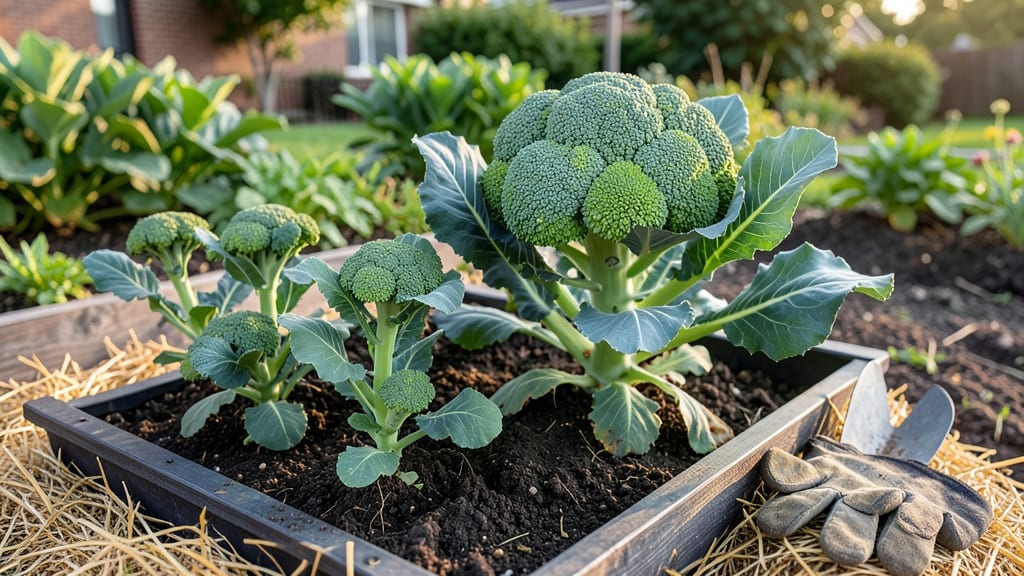
Timing your when to plant broccoli in Colorado just right could mean the difference between a thriving garden and a wasted effort—especially when spring frosts linger and summer heat arrives faster than expected.
Broccoli 🥦 might seem like a finicky crop, but with the right schedule, you can enjoy fresh harvests from both spring and fall plantings, even at high elevations.
Most Colorado gardeners swear by planting broccoli in early spring, as soon as the soil warms to at least 45°F, but the real secret lies in understanding your local microclimate.
Whether you're in the Front Range or the Western Slope, knowing when to start seeds indoors or set transplants out can help you beat unpredictable frost dates and maximize your growing season.
In this guide, I’ll break down the exact months to plant broccoli in Colorado—from lowland valleys to mountain gardens—plus the cold-hardy varieties that perform best in our climate.
You’ll also learn how to extend your harvest with simple techniques like row covers and succession planting, so you’re not left scrambling when summer heat rolls in.
Ready to grow broccoli that’s not only hearty but also ready to harvest just as Colorado’s summers peak? Let’s get started with the timing and tips you need to succeed.
Best planting months for broccoli in Colorado by elevation zone
Colorado’s diverse elevation zones create wildly different planting windows for broccoli—what works in Denver (5,280 ft) fails at Aspen (8,000 ft). The key? Timing plantings to avoid late spring frosts while maximizing summer growing days.
Most Colorado gardeners succeed with two planting cycles: early spring and late summer, but high-elevation growers often rely on fall plantings for their only harvest.
Use Colorado State University’s frost-free date maps as your guide—these shift dramatically from the Front Range (average last frost: May 15) to the Western Slope (average last frost: April 15) and high-elevation areas (average last frost: June 1 or later).
For example, in Fort Collins, you can plant broccoli as early as March 15 under row covers, while in Grand Junction, March 1 is safe for direct sowing.
Here’s the critical rule: Broccoli seeds need soil temps of 40–85°F to germinate, but seedlings won’t tolerate temps below 25°F. That’s why late August plantings often outperform spring ones in Colorado—summer heat forces bolting, but fall-cooled soil keeps plants happy until first frost.
Pro tip: Calculate your first frost date by subtracting 120 days from your average frost date (e.g., if frost hits October 15, your last planting window is June 15). This ensures broccoli matures before winter sets in.
| Elevation Zone | Avg. Last Frost | Spring Planting Window | Fall Planting Window | Key Variety Tip |
|---|---|---|---|---|
| Front Range (Denver, Boulder, Fort Collins) | May 15 | March 15–April 30 (under cover) | August 1–September 15 | ‘Waltham 29’ handles heat spikes |
| Western Slope (Grand Junction, Durango) | April 15 | March 1–March 31 | July 15–August 30 | ‘De Cicco’ bolts less in dry heat |
| High Elevation (Aspen, Vail, 7,000+ ft) | June 1 | May 1–May 15 (only under cover) | July 1–July 31 | ‘Calabrese’ needs row covers |
⚠️ Note: Adjust dates 1–2 weeks earlier for microclimates (e.g., urban heat islands).
If you’re planting in high-elevation areas, focus on fall broccoli—it’s your only reliable harvest. Start seeds indoors 6–8 weeks before your last frost date (e.g., April 15 for Aspen) and transplant after June 1. Use black plastic mulch to warm soil faster in these cooler zones.
For low-elevation gardens (e.g., Pueblo, Colorado Springs), you can squeeze in two spring plantings: an early batch under row covers (March 1) and a second after April 15 when soil warms.
The trade-off? Summer heat (above 85°F) causes broccoli to bolt—so prioritize shade cloth or late-afternoon watering to keep plants cool.
Don’t overlook succession planting—sow new seeds every 2 weeks from March to August to stagger harvests. This is especially critical in Colorado’s short growing season, where a single missed window can mean no broccoli at all.
One common mistake? Planting broccoli too early in cold soil. Test soil temps with a thermometer—if it’s below 40°F, wait. Cold soil delays germination and invites damping-off disease. Amend beds with compost to improve warming.
For container growers, stick to compact varieties like ‘Little Sprint’ and plant in May after nighttime temps stay above 50°F. Containers warm up faster than soil, so you can plant 1–2 weeks earlier than in-ground gardens.
Final pro tip: Mark your calendar for September 1—this is your last chance to plant broccoli for a fall harvest in most of Colorado.
Best planting months for broccoli in Colorado by elevation zone
Colorado’s diverse elevation zones create wildly different growing conditions, so your broccoli planting schedule depends heavily on whether you’re in Denver’s Front Range, the Western Slope, or high-elevation valleys.
At 5,000+ feet, soil warms slower, and frost dates shift dramatically—meaning your spring planting window might be just 2-3 weeks later than in lower elevations.
For most Colorado gardeners, the ideal planting time for broccoli is late March to early April in lowland areas (4,000–5,000 ft), while those above 7,000 feet should wait until mid-April to early May.
But here’s the kicker: broccoli also thrives in fall plantings, giving you a second chance at harvest before winter sets in.
If you’re aiming for a spring harvest, start seeds indoors 8–10 weeks before your last frost date (typically mid-February for Denver, late March for high elevations). For fall harvests, plant seeds directly in the soil 3–4 months before your first frost—usually late July to early August.
| Elevation Zone | Spring Planting Window | Fall Planting Window | Key Consideration |
|---|---|---|---|
| 4,000–5,000 ft (Denver, Fort Collins) | Late March–Early April | Late July–Early August | Soil warms quickly; risk of late frost |
| 5,000–7,000 ft (Eagle, Salida) | Mid-April–Early May | Early August–Mid-August | Slower soil warming; shorter season |
| 7,000+ ft (Leadville, Aspen) | Late April–Early June | Mid-August–Late August | Very short season; prioritize cold-hardy varieties |
Don’t let Colorado’s unpredictable weather catch you off guard. If you’re planting in May or June, choose fast-maturing varieties (like 'Early Purple Top') to avoid bolting from heat.
For fall plantings, use row covers to protect young seedlings from early frosts, which can hit as soon as mid-September in mountainous areas.
Pro tip: Check your local CoCoRaHS frost date maps (available online) for real-time updates, as microclimates can shift planting windows by 1–2 weeks even within the same city. For example, Denver’s urban heat island effect might give you an extra week of growing time compared to nearby foothills.
Once you’ve nailed your planting window, the next step is choosing the right cold-hardy varieties that won’t bolt in Colorado’s heat or wilt in early frosts.
Stay tuned for my next section on the top 5 broccoli varieties that thrive in our unique climate—including which ones handle 100°F days without skipping harvest.