
Plants
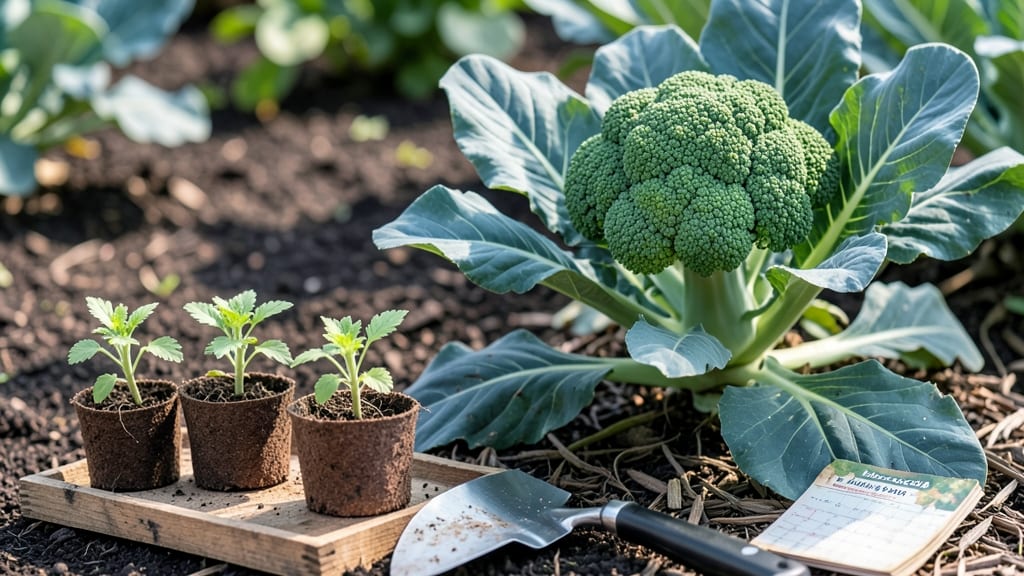
Timing your 🥦 broccoli planting in Indiana isn’t just about throwing seeds in the ground—it’s the difference between a thriving garden and a bitter disappointment.
With Indiana’s 6a climate and unpredictable frost dates, getting those seeds in at the right moment can mean the difference between a bountiful harvest and watching your plants bolt before they even mature.
If you’ve ever wondered why your spring broccoli turns bitter or your fall crop disappears overnight, the answer lies in understanding Indiana’s frost-free windows.
The key is planting between March 15 and April 30 for spring and again from August 15 to September 15 for fall, but even these dates can shift depending on your microclimate—whether you're in rural fields or an urban backyard.
I’ve spent years perfecting the timing, and what I’m about to share will help you avoid common mistakes like bolting or stunted growth. You’ll learn how to stretch your growing season, choose the best varieties for Indiana’s heat, and even protect your plants from early frosts.
Let’s dive into the exact strategies that’ll give you a zero-bolt harvest all season long.
Ready to turn your Indiana garden into a broccoli powerhouse? The secret starts with the calendar—and I’ve got the exact dates and tips you need to make it happen.
Indiana broccoli planting timeline: frost dates by region and variety
Indiana’s USDA Zone 6a climate means broccoli thrives in cool seasons, but timing is everything to avoid bolting (premature flowering). The state’s last frost date typically falls around April 15, while the first frost arrives by October 15.
These dates create a 165-day frost-free window, perfect for two broccoli crops: spring and fall.
For spring plantings, start seeds indoors 4-6 weeks before your last frost (around March 1) or sow directly in well-drained soil by March 15. Transplant seedlings 2-3 weeks later once soil reaches 40°F. This ensures harvests by June-July before summer heat triggers bolting.
Fall plantings are just as critical—sow seeds August 15-September 15 for harvests in October-November. Choose fast-maturing varieties (60-70 days to harvest) to beat the frost. In Northern Indiana (e.g., Gary, South Bend), aim for earlier dates (March 1-April 15, August 1-August 15), while Southern Indiana (e.g., Evansville, Louisville) can stretch windows to April 30 and September 30.
🌱 Indiana Broccoli Planting Summary
| Region | Spring Planting | Fall Planting | Harvest Window |
|---|---|---|---|
| Northern Indiana | March 15–April 15 | August 1–August 15 | June–July, Oct–Nov |
| Central Indiana | March 1–April 30 | August 15–Sept 15 | May–July, Sept–Nov |
| Southern Indiana | February 15–April 30 | August 1–Sept 30 | April–June, Sept–Dec |
Note: Adjust for microclimates (urban areas warm faster) and heat-tolerant varieties like 'Waltham 29' or 'De Cicco'.
Indiana’s variable spring temperatures can delay planting. Monitor soil temperature with a probe—wait until it’s consistently 40°F+ for 10+ days. In cool, wet springs, opt for cold-hardy varieties like 'Calabrese' or 'Green Goliath' to tolerate light frosts (down to 25°F for young plants).
For fall crops, prioritize heat-tolerant varieties to delay bolting. Start with fast-maturing types (60-70 days) like 'Belstar' or 'Packman' in late summer. If temperatures exceed 80°F, use shade cloth (30-50%) to protect seedlings. Mulch with straw to retain moisture and regulate soil temps.
Indiana’s urban vs. rural microclimates matter: cities like Indianapolis can be 5-10°F warmer than rural areas, extending the growing season. Use local frost data from resources like the Indiana State Climate Office or Purdue Extension to fine-tune your schedule.
For example, Northern Indiana gardens may need row covers in early spring, while Southern Indiana can plant 2-3 weeks earlier.
Pro tip: Succession plant every 2 weeks in spring/fall to stagger harvests. For instance, sow a batch on March 15, another on April 1, and a final one on April 15 to ensure continuous production. This 3-batch strategy maximizes yield and minimizes bolting risks.
If you’re container gardening, start seeds indoors 2 weeks earlier than outdoor dates—containers warm faster and dry out quicker. Use 5-gallon pots with well-draining mix and place them in full sun (6+ hours). Containers also let you move plants to shaded areas during heatwaves.
Remember: Bolting is your worst enemy in Indiana’s climate. To prevent it, avoid planting broccoli when daytime temps exceed 80°F for more than 3-4 days. If heat strikes early, switch to shade-tolerant greens like kale or lettuce and replant broccoli in late summer.
How to extend broccoli season in Indiana: succession planting and cold protection
Indiana’s short growing season can feel like a race against time for broccoli lovers. But with the right strategies, you can stretch your harvests from early summer to crisp fall. The key is succession planting—spreading out your plantings every 2-3 weeks—to ensure a steady supply of fresh heads.
This works especially well for fast-maturing varieties like 'De Cicco' (58 days) or 'Waltham 29' (60 days), which can squeeze into tight windows.
Don’t overlook cold protection—even heat-tolerant broccoli needs safeguards. A lightweight row cover (like Reemay) can shield seedlings from late spring frosts (which still hit after April 15 in Northern Indiana), while black plastic mulch warms soil faster in cooler microclimates.
For fall crops, use straw mulch to insulate roots during temperature swings in October.
Here’s the critical mistake I see: planting all seeds at once and expecting a long harvest. That’s a recipe for bolting (when broccoli flowers prematurely) or stunted growth from uneven maturity.
Instead, stagger plantings every 10-14 days for spring and every 2 weeks for fall, starting 90 days before your first frost date (typically October 15 in Indiana).
🚨 Watch for these bolting triggers in Indiana:
- Heatwaves (above 85°F) during head formation
- Drought stress (even brief dry spells)
- Over-mature plants (harvesting too late in the season)
Pro tip: If your garden gets hotter than usual (like in 2023’s summer), switch to shade cloth (30-50%) during peak afternoon sun. This buys you extra time for fall crops to mature before frost. I’ve even used cloche tunnels (DIY with PVC pipes and row cover) to protect seedlings in chilly urban backyards.
For urban gardeners, container growing is a game-changer. Plant broccoli in 5-gallon pots with extended-release fertilizer (like Osmocote) and move them to sunnier spots as seasons shift. This flexibility lets you adjust planting times based on your balcony’s microclimate—critical in cities where heat islands delay frost.
Remember: The goal isn’t just more broccoli—it’s better broccoli. By combining succession planting with smart cold protection, you’ll avoid the bitterness and stringiness that plague rushed harvests.
Start small with 2-3 plantings this season, and you’ll see how much easier it is to enjoy fresh broccoli from June through November.
🚨 Avoid These Indiana-Specific Mistakes
- Planting too early in Northern Indiana (before April 1) risks frost damage to seedlings.
- Skipping soil prep—Indiana’s clay-heavy soil needs compost to drain properly.
- Ignoring heat warnings—broccoli bolts faster in Indiana’s summer humidity than in drier climates.
- Using row covers too late—they trap heat, which can accelerate bolting in August.
Protect your plants without overstressing them—balance is key!
Test your timing this year with one early, one mid, and one late planting. Track which matures best in your zone, and adjust next season. With these techniques, you’ll turn Indiana’s short season into a broccoli bonanza—no guesswork required.