
Plants
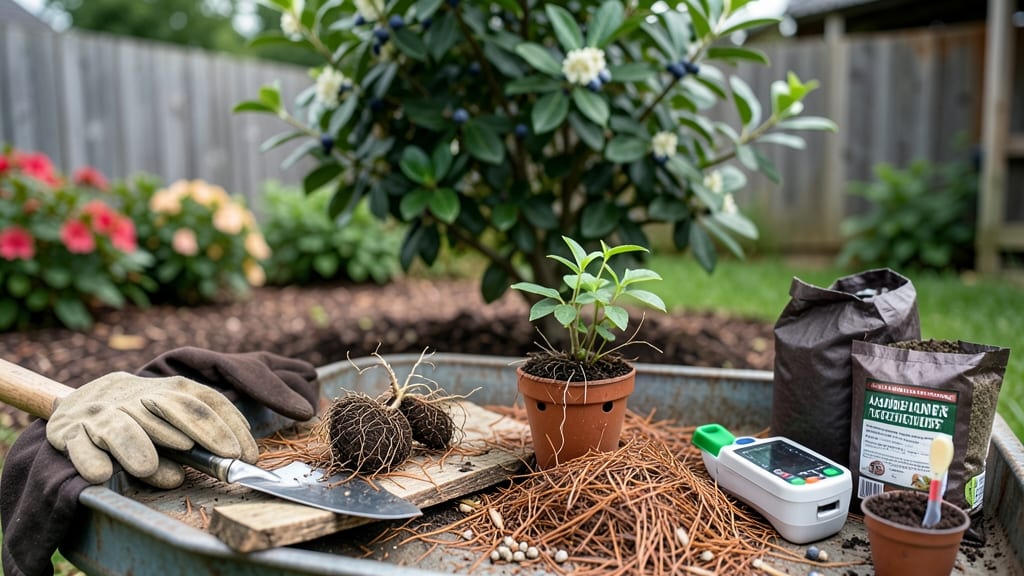
Knowing when to plant blueberries in Zone 6 isn’t just about avoiding frost—it’s about giving your 🫐 bushes the perfect start to thrive for years. Plant too early, and cold soil can stunt roots; too late, and they might not establish before winter.
The sweet spot? Late April to early June, when soil warms to 50°F and the last frost has passed—but there’s a trickier factor at play.
Blueberries need chill hours, a cold-weather requirement most gardeners overlook. In Zone 6, varieties like 'Bluecrop' or 'Jersey' demand 600-800 hours below 45°F to set fruit properly. Fall planting (September) can work too, but only if you protect young plants from early frosts.
Whether you choose spring or fall, soil prep and protection are the key to success.
Let’s break down the exact timing, soil conditions, and protection tips you need to plant blueberries in Zone 6—so you can enjoy a bountiful harvest by July or August.
I’ll cover everything from checking your local chill hours to adjusting for microclimates, so you avoid common mistakes that kill young bushes.
Ready to plant with confidence? Here’s how to time it right, whether you’re working with bare-root plants or containers, and how to keep your blueberries happy through their first critical growing season.
Best planting windows for blueberries in Zone 6 by chill-hour requirements
In Zone 6, the best time to plant blueberries depends on your variety’s chill-hour needs—a critical factor most gardeners overlook. Northern highbush varieties like 'Bluecrop' and 'Jersey' require 600-800 chill hours, while southern highbush types need just 200-300 hours.
If you plant at the wrong time, your bushes might not produce fruit—or worse, they could fail to establish roots.
Zone 6’s last frost typically hits around mid-April, but soil temperature is the real deciding factor. Blueberries won’t thrive until the ground warms to 50°F or higher. That usually means waiting until late April to early June for spring planting.
However, fall planting (late September) can also work if you protect young plants from early frosts.
Here’s the key: Chill hours are accumulated during winter dormancy, so planting in fall (when temps are dropping) can give your bushes a head start on meeting their cold requirements. But if you’re in a Zone 6b area with colder winters, spring planting might be safer to avoid winter stress.
| Variety Type | Chill Hours Needed | Best Planting Window | Zone 6 Notes |
|---|---|---|---|
| Northern Highbush (e.g., 'Bluecrop', 'Jersey') | 600–800 hours | Late April–early June (spring) or late September (fall) | Ideal for Zone 6a; needs winter protection if planted in fall. |
| Southern Highbush (e.g., 'Climax', 'Premier') | 200–300 hours | Early spring (March–April) or fall (October) | Better for Zone 6b; tolerates milder winters. |
| Rabbiteye (e.g., 'Tifblue', 'Powderblue') | 400–500 hours | Late spring (May–June) | Risky in Zone 6; needs warm soil and long summers. |
To check your local chill hours, use the USDA Plant Hardiness Zone Map or contact your local Cooperative Extension Service. Most Zone 6 areas accumulate 1,000+ chill hours, so northern highbush varieties will thrive. If you’re unsure, opt for 'Bluecrop'—it’s the most reliable choice for Zone 6.
Another pro tip: Bare-root plants establish faster than container-grown ones, but they must be planted as soon as possible after purchase. If you’re buying in late winter, store them in a cool, moist place (like a refrigerator crisper drawer) until planting time.
Container plants, on the other hand, are more flexible and can be planted slightly earlier in spring.
Once you’ve chosen your variety and timing, the next critical step is preparing the soil. Blueberries demand acidic soil (pH 4.5–5.5)—if your soil is too alkaline, amend it with peat moss or sulfur at least 2 months before planting.
Without this prep, your bushes will struggle to absorb nutrients, even if you plant them at the perfect time.
Timing your blueberry planting around chill hours and soil warmth sets the stage for a healthy, productive bush. But even the best timing can go wrong if you don’t account for soil temperature and frost risks.
In the next section, I’ll show you how to avoid common mistakes—like planting too early in cold soil—that can kill your blueberries before they even sprout.
Frost-free timing and soil temperature: how to avoid early planting mistakes
Planting blueberries in Zone 6 too early is a recipe for root rot or stunted growth. The soil must reach at least 50°F—any colder, and your 🫐 bushes will struggle to establish.
Most Zone 6 gardeners can start planting after the last frost date, typically around mid-April, but this varies by microclimate. For example, areas near lakes or rivers may warm up faster, while inland spots can stay chilly longer.
Don’t rely solely on frost dates—soil temperature is the real game-changer. Use a soil thermometer to confirm warmth before planting. If the ground is still cold, delay even if the air feels spring-like.
Cold soil slows root growth, leaving young plants vulnerable to stress or disease. Patience here pays off with stronger, healthier bushes ready for your July harvest.
🌱
⚠️ Warning: Planting Too Early
Cold soil (below 50°F) can cause:
- Root rot from poor drainage in chilly conditions
- Stunted growth as roots struggle to absorb nutrients
- Fungal diseases thriving in damp, cold soil
Solution: Wait until soil is consistently 50°F+ for 5+ days. Check your local USDA Plant Hardiness Zone Map for precise frost dates.
If you’re eager to plant but the ground is still too cold, consider using row covers or black plastic mulch to warm the soil faster. These tricks can shave weeks off your waiting time, especially in late springs.
Just remove covers once soil warms to protect plants from overheating. For container growers, this is even easier—simply move pots to a sheltered spot until soil temps rise.
Another critical factor is microclimates. A south-facing slope or a sunny patio can warm up days before your yard does. Scout your space: if one area gets sun all day, it’s likely the first to reach planting-ready temps.
Mark these spots now so you’re ready to act when the time comes. Even a 5°F difference can mean the difference between success and failure for your blueberries.
Once soil is ready, act quickly. Blueberries thrive when planted in late April to early June, but don’t drag your feet—delaying past early June risks stressing plants before winter.
If you miss this window, fall planting (September) is your next best option, provided you protect young plants from early frosts with mulch or burlap wraps. Either way, timing is everything for Zone 6 blueberries.
☀️