
Plants
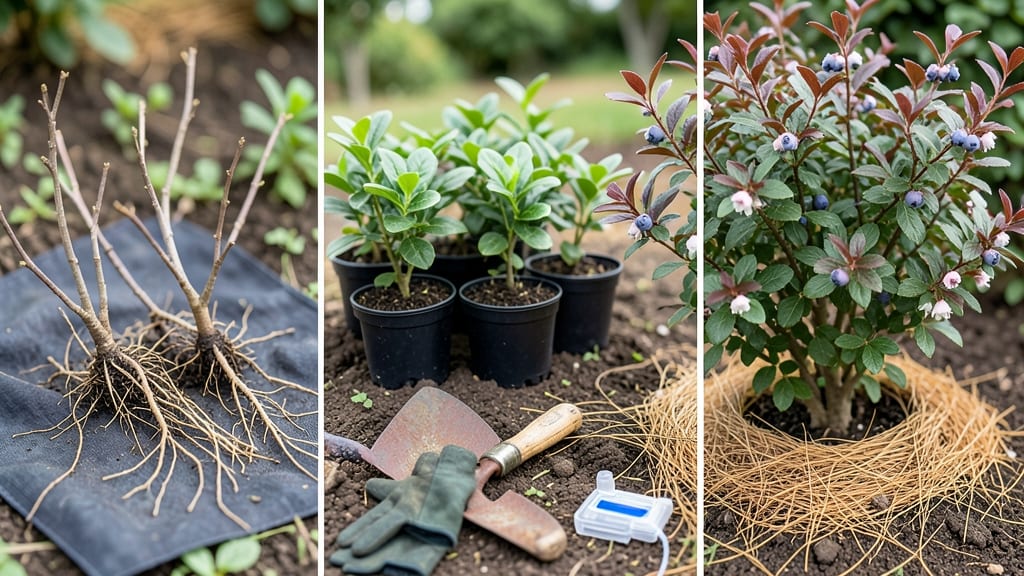
If you’re dreaming of plucking fresh 🫐 blueberries in your Zone 9 garden, timing your planting is the key to success—or failure. Unlike cooler climates, Zone 9’s mild winters and scorching summers mean you can’t just follow generic spring planting advice.
Planting too early risks heat stress, while waiting too long might leave your bushes struggling to establish roots before summer’s brutal heat arrives.
The best window for planting blueberries in Zone 9 is late fall to early spring—specifically, November through February—when soil temperatures stay cool and rainfall is more reliable.
This timing gives your bushes a head start before the dry, hot months kick in, ensuring they’re strong enough to handle the desert-like conditions of Southern California, Arizona, or Florida’s coastal areas.
But here’s the catch: not all Zone 9 regions are created equal. Coastal areas with milder winters might push planting slightly later, while inland deserts benefit from an earlier start.
I’ll break down the exact months, soil prep tips, and even how to adapt if you’re growing in containers—because even in Zone 9, getting it right makes all the difference between a thriving bush and a sad, wilted disappointment.
Let’s dive into the best months to plant, how to prep your soil for Zone 9’s unique challenges, and what to watch for if you miss the window. Trust me, your future blueberry harvest depends on it!
Best months to plant blueberries in Zone 9 (with soil temp guide)
Zone 9’s mild winters create a unique challenge for blueberry planting—you don’t have to worry about frost, but summer heat can stress young bushes. The ideal window is late fall to early spring, specifically November through February, when soil temperatures stay between 50–60°F.
This range allows roots to establish without the risk of heat shock or drought stress.
Coastal areas like Southern California can plant slightly later (up to March) thanks to cooler ocean breezes, while inland desert regions (e.g., Arizona) should aim for November–December to avoid early spring heatwaves. Timing isn’t just about the calendar—it’s about soil temperature and rainfall patterns.
Here’s how Zone 9’s microclimates affect planting:
| Climate Type | Best Planting Window | Soil Temp Range | Key Consideration |
|---|---|---|---|
| Coastal (e.g., LA, San Diego) | Late February–March | 55–60°F | Cooler temps extend window; watch for spring rains. |
| Inland Desert (e.g., Phoenix, Tucson) | November–December | 50–55°F | Avoid January heat spikes; prioritize morning planting. |
| Gulf Coast (e.g., Houston, Miami) | October–November | 52–58°F | Humidity increases fungal risks; space plants 3–4 ft apart. |
| High Desert (e.g., Reno, Flagstaff) | September–October | 48–52°F | Cooler nights; mulch heavily to retain moisture. |
Spring planting (March–April) is possible in cooler microclimates, but young blueberries struggle with Zone 9’s summer heat. If you miss the fall window, wait until late winter (January) to reduce transplant shock. Always check soil moisture—dry soil in spring can delay root growth for weeks.
Pro tip: Use a soil thermometer to confirm temperatures. Aim for 50–60°F at 6 inches deep. If your soil runs hotter, plant in shade cloth for the first 2 weeks to ease stress. Container-grown blueberries adapt better to heat but still need acidic, well-draining soil.
Never plant in summer (June–August). The combination of high temps (90°F+) and low humidity causes transplant shock, often killing bushes within weeks. If you’ve already planted too late, prioritize deep watering and shade protection until cooler months arrive.
For container planting, the timing rules shift slightly. Pots dry out faster in Zone 9’s heat, so plant earlier (October–November) to give roots time to establish before summer. Use large containers (15+ gallons) with drainage holes and a moisture-retentive mix (peat moss + perlite).
Blueberries in Zone 9 need 6+ hours of sun, but afternoon shade helps in peak summer. If your yard has intense afternoon heat, choose a north-facing or east-facing spot. Dwarf varieties (like ‘Top Hat’) handle heat better than standard bushes.
After planting, mulch with 3–4 inches of pine bark to keep roots cool and moist. Replenish mulch every spring—this simple step can double your yield in Zone 9’s challenging climate. 🌱
Best months to plant blueberries in Zone 9 (with soil temp guide)
In Zone 9, where winters are mild and summers scorching, planting blueberries at the right time means the difference between a thriving bush and one struggling to survive.
The ideal window is late fall to early spring—specifically November through February—when soil temperatures stay between 50–60°F and rainfall is more predictable. This timing gives your bushes time to establish roots before summer’s heat stress sets in.
For coastal Zone 9 areas like Southern California, aim for December to February, when cooler ocean breezes moderate temperatures. Inland desert regions, such as Arizona or Nevada, benefit from an earlier start—November to January—to avoid the intense summer dryness.
Missing this window risks transplant shock or heat stress, especially for young plants.
Here’s a quick guide to the best months based on your Zone 9 microclimate:
| Month | Soil Temp Range (°F) | Best For | Notes |
|---|---|---|---|
| November | 55–65°F | Inland deserts | Cool nights, minimal frost risk; perfect for early root establishment. |
| December–January | 50–60°F | Coastal areas | Milder temps; ideal for container planting or shaded spots. |
| February | 55–65°F | All Zone 9 regions | Last chance before summer heat; prioritize mulching. |
| March–April | 60–70°F | Emergency planting | Only for established plants; young bushes risk heat stress. |
If you’re planting in containers, the same rules apply, but monitor soil moisture closely—pots dry out faster in Zone 9’s heat. Use a well-draining, acidic mix (pH 4.5–5.5) and keep containers in partial shade during peak summer months to protect roots.
Avoid planting in May or later unless you’re in a high-elevation Zone 9 area with cooler summers.
Pro tip: Test your soil’s pH before planting. Blueberries hate alkaline soil—amend with elemental sulfur or peat moss if needed. A quick soil test kit (available at garden centers) will save you from guessing.
Once planted, focus on deep watering every 3–5 days and mulching with pine needles or wood chips to retain moisture. Your goal? A strong root system before summer hits—because once the heat arrives, your blueberries will thank you for the early start.