
Plants
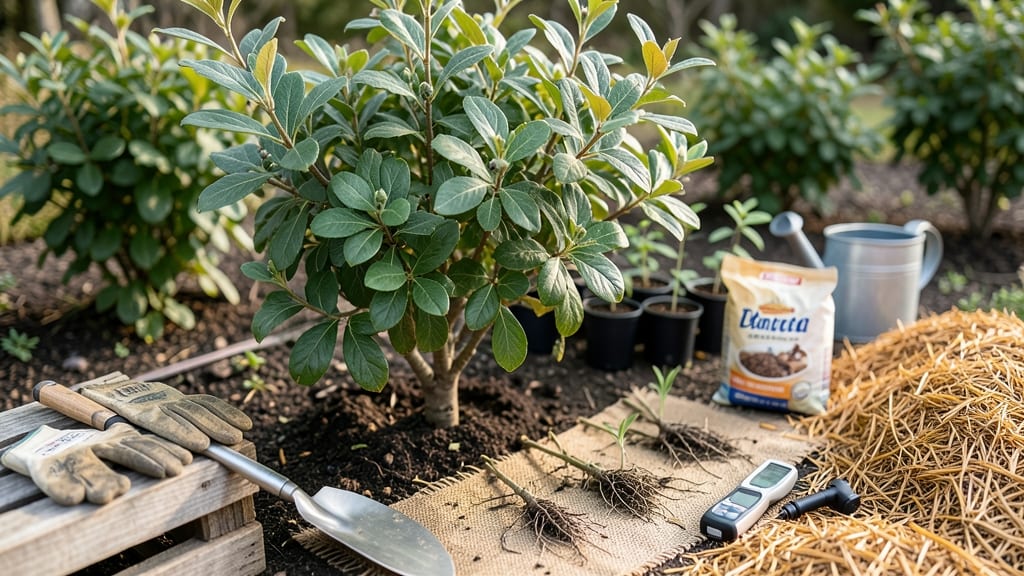
If you've ever dreamed of planting blueberries in Wisconsin and plucking fresh, juicy 🫐 straight from your garden, timing is everything—and getting it wrong could mean stunted bushes or lost harvests.
Wisconsin's unpredictable frost patterns make the difference between thriving plants and disappointing failures, but with the right strategy, you can grow blueberries that produce for decades.
The key to success lies in planting during Wisconsin's optimal windows: early spring or early fall, when soil temperatures and frost risks align perfectly for root establishment.
Whether you're in the chilly 4b-6a zones of the Northwoods or the milder Driftless Region, understanding your microclimate's last frost dates is the game-changer that separates gardeners who harvest from those who struggle.
In this guide, I'll break down exactly when to plant blueberries in Wisconsin—from soil temperature thresholds to regional variations—so you can avoid common mistakes like planting too early and risking frost damage or waiting too late and missing the ideal window.
You'll also discover how to prepare your soil and choose between bare-root or container-grown plants for maximum success.
Whether you're a seasoned gardener or just starting, these insights will help you plant with confidence and set your blueberry bushes up for a bountiful harvest from late June through August. Let's get your Wisconsin garden ready for the sweetest rewards!
Wisconsin’s blueberry planting zones: best timing by region for frost-free success
Wisconsin’s diverse climate zones mean your blueberry planting window can vary by hundreds of miles. Southern Wisconsin’s Zone 4b-5a enjoys milder springs, while the Northwoods (Zones 3a-3b) face brutal frost risks.
Even within Madison vs. Milwaukee, last frost dates shift by weeks. Let’s break down the optimal planting windows for each region to maximize survival and yield.
Blueberries thrive when planted during their dormant season, either in early spring (before buds swell) or early fall (6-8 weeks before first frost). Wisconsin’s USDA Zones 3-5 demand precision—plant too early, and roots suffocate in cold soil; too late, and young plants struggle to establish before winter.
We’ll use UW-Extension frost data to pinpoint your exact window.
Here’s how Wisconsin’s regions differ:
| Region | USDA Zone | Last Frost Date | First Frost Date | Best Planting Window | Soil Temp Threshold |
|---|---|---|---|---|---|
| Southern Wisconsin (Milwaukee, Madison) | 4b-5a | Mid-April to early May | Mid-October | Spring: April 15–May 15 Fall: September 1–October 1 |
45°F (7°C) minimum |
| Central Wisconsin (Green Bay, Wausau) | 3b-4a | Late April to early May | Late September | Spring: May 1–May 15 Fall: August 15–September 15 |
50°F (10°C) minimum |
| Northern Wisconsin (Minocqua, Hayward) | 3a-3b | Late May | Early September | Spring: May 15–June 1 Fall: August 1–August 15 |
55°F (13°C) minimum |
Southern Wisconsin’s milder climate lets you plant 4-6 weeks earlier than the Northwoods. For example, Milwaukee gardeners can start in mid-April, while Hayward’s short season limits planting to late May or early August. Always check your local National Weather Service for 10-day forecasts before digging—sudden cold snaps can delay spring planting by weeks.
Fall planting offers cooler soil and less competition from weeds, but Wisconsin’s early frosts shrink the window.
In Zone 3a, aim for early August—any later, and roots won’t establish before winter. Southern Wisconsiners have until October 1, but avoid planting after September 15 if your area sees frost by October 1.
Pro tip: Use bare-root plants in spring—they establish faster in warmer soil. For fall, container-grown bushes handle transplant shock better in cooler temps. Both methods work, but Northern Wisconsin favors containers to avoid soil-heaving in freeze-thaw cycles.
Soil temperature is critical. Test with a soil thermometer—roots won’t grow below 45°F (7°C). In Zone 3a, wait until soil hits 55°F (13°C) to avoid root rot. Southern zones can plant earlier, but never when ground is frozen or waterlogged.
Regional microclimates add complexity. For example, Lake Michigan’s moderating effect delays Milwaukee’s last frost by 2-3 weeks compared to inland Madison. Use Wisconsin State Climatology Office maps to adjust your timeline.
If you’re unsure, fall planting is safer—you’ll miss one growing season but ensure stronger roots for years to come.
Remember: Blueberries hate soggy soil. Wisconsin’s spring thaw and fall rains can drown roots. Amend clay-heavy soils with peat moss or pine bark to improve drainage. In waterlogged areas, plant on a mound or raised bed to prevent root suffocation.
🌱
How to choose the perfect planting window: soil temperature, moon phases, and weather watching
Timing your blueberry planting in Wisconsin isn’t just about picking a month—it’s about reading the soil temperature, moon phases, and long-range forecasts like a pro. Blueberries need 45-50°F soil temps to root successfully, and planting too early (when soil is still cold) can shock young roots.
Meanwhile, waiting too late risks exposing them to fall frosts before they establish.
Start by testing your soil’s warmth with a soil thermometer—insert it 4-6 inches deep in your garden bed. Aim for 50°F or higher for spring planting or 55°F or lower for fall (after the last expected frost).
In Wisconsin, this typically means late April to early May for spring or September to early October for fall, but always verify with your local UW-Extension frost data.
🌱 3 Key Steps to Lock in Your Planting Window
- Test soil temp for 3+ days in a row—consistent warmth means go time.
- Check moon phases: Plant during a waxing moon (root growth phase) for stronger establishment.
- Monitor forecasts for 10-day outlooks—avoid planting if frost warnings loom.
Moon phases play a surprising role in blueberry success. Plant during the waxing moon (when the moon is growing brighter) to encourage root development. Avoid planting during a full moon or waning moon, as this can lead to top-heavy growth that struggles in Wisconsin’s windy conditions.
Use a lunar planting calendar to align your schedule—many Wisconsin nurseries provide these for free!
Don’t overlook weather patterns specific to your Wisconsin region. Southern Wisconsin (like Madison) often sees last frosts by May 10th, while Northern Wisconsin (like Ashland) can linger until May 25th or later.
Use tools like the National Weather Service’s frost prediction maps or local CoCoRaHS weather stations to pinpoint your exact risk window. Pro tip: Add a 10-day buffer after your area’s average last frost date to account for late surprises.
Once you’ve nailed down your window, prepare your site 2-3 weeks in advance. Blueberries thrive in acidic soil (pH 4.5–5.5), so amend your bed with peat moss or sulfur if needed.
Mulch heavily with pine needles or wood chips to protect roots from temperature swings—a critical step in Wisconsin’s unpredictable climate. Water deeply the day before planting to reduce transplant shock.
Remember: Bare-root plants (common in Wisconsin nurseries) need to be planted as soon as possible after arrival, while container-grown bushes offer more flexibility. If you’re unsure, opt for container-grown varieties—they’re less stressed by Wisconsin’s early spring chills and establish faster.
With these steps, your blueberries will take root like a dream, setting you up for years of juicy, homegrown harvests.