
Plants
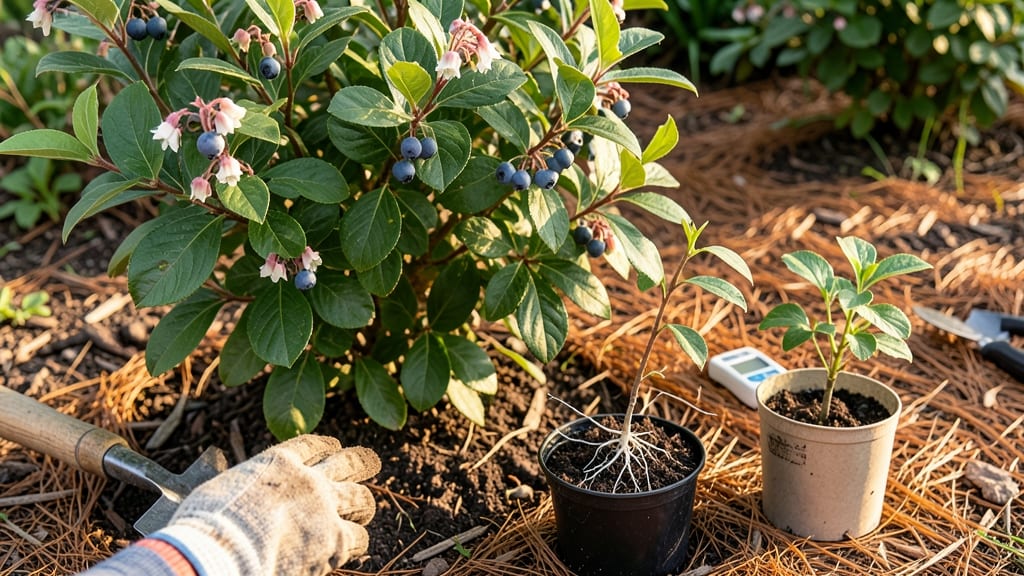
If you’ve ever dreamed of plucking fresh 🫐 straight from your Mississippi garden, when to plant blueberries in Mississippi is the secret ingredient—plant too early, and your bushes will wilt in the heat; too late, and they’ll miss the chill hours they need to fruit.
The perfect window for planting blueberries in Mississippi’s Zone 8a-9a is late winter to early spring, but there’s more to it than just the calendar.
Mississippi’s warm climate means blueberries need varieties that match its 600-900 chill hours, and Southern Highbush types thrive here better than Northern varieties.
I’ll walk you through the exact months to plant, how to prep your soil for acid-loving 🫐, and why mulching makes all the difference in our humid summers.
Whether you’re in the Gulf Coast’s Zone 7B or Central Mississippi’s Zone 8A, this guide covers everything—from soil pH tests to frost protection tips. You’ll learn which varieties like ‘Climax’ or ‘Tifblue’ work best and how to time your planting for peak harvests in May-June.
Ready to turn your backyard into a blueberry bonanza? Let’s get your bushes in the ground at the right time—so you can enjoy that first sweet, juicy bite before summer’s over.
Optimal planting windows for Mississippi blueberries by chill-hour requirements
Mississippi’s Zone 7B-8A climate demands precise timing for blueberry planting. The key factor? Chill hours—the number of hours below 45°F your plants need to produce fruit. Southern Highbush varieties require 200-400 chill hours, while Rabbiteye varieties need 400-700 chill hours.
In Mississippi, this translates to planting between February and early March for optimal results.
Northern Mississippi (Zone 7B) typically gets 500-600 chill hours, making it ideal for Rabbiteye varieties. Southern Mississippi (Zone 8A) averages 300-400 chill hours, better suited for Southern Highbush types.
Planting too late risks missing chill hours, while planting too early exposes young plants to heat stress before they establish roots.
🌱
| Variety Type | Chill Hours Needed | Best Mississippi Zone | Planting Window | Key Consideration |
|---|---|---|---|---|
| Southern Highbush | 200-400 | Zone 8A (Southern MS) | Late Feb - Early March | Heat-tolerant, low chill needs |
| Rabbiteye | 400-700 | Zone 7B (Northern MS) | Mid-Feb - Late Feb | Needs more chill hours |
| Half-High | 300-500 | Zone 7B-8A | Early March | Compact, versatile option |
For Zone 8A gardeners in Southern Mississippi (e.g., Gulf Coast areas), prioritize Southern Highbush varieties like ‘Climax’ or ‘Misty.’ These thrive with 200-300 chill hours and can handle Mississippi’s hotter springs. Plant them in late February to early March to avoid early heat waves that can stress young plants.
In Zone 7B (e.g., Tupelo or Oxford), Rabbiteye varieties like ‘Tifblue’ or ‘Premier’ are better choices. These need 500+ chill hours and should be planted in mid-to-late February. The earlier planting window ensures they receive enough chill hours before Mississippi’s warm spells arrive in March.
Mississippi’s last frost date varies by region—typically March 15 in Northern Mississippi and March 1 in Southern areas. Aim to plant 4-6 weeks before your local last frost date to give roots time to establish before warm weather arrives. Use row covers if late frosts threaten after planting.
Container gardening is another option for Mississippi’s urban gardeners. Plant Southern Highbush varieties in pots in early March and move containers to partial shade during peak summer heat. This extends the growing season and protects roots from soil temperature extremes.
Always check your local chill-hour data—Mississippi State University’s Extension Service provides county-specific records. Match your variety to these numbers for reliable fruit production each season.
🌿
Mississippi-specific tips for blueberry planting success in zones 7B-8A
Mississippi’s humid summers and acidic soils create perfect conditions for blueberries—but only if you follow a few critical tips. The first rule? Test your soil pH before planting.
Blueberries thrive in acidic soil (pH 4.5-5.5), and Mississippi’s native clay often needs amendments like sulfur or peat moss to reach the right level. I always use a soil test kit from my local extension office to avoid guesswork.
Once your soil is prepped, timing your planting matters just as much. In Zone 7B (Gulf Coast), aim for late February to early March to avoid early heat stress.
For Zone 8A (Central Mississippi), stretch your window to March-April. This gives your bushes time to establish roots before the oppressive summer humidity sets in.
🚨
Planting after April 15th in Mississippi increases heat stress risks. Young blueberry bushes struggle to establish roots when daytime temps exceed 85°F. If you miss the ideal window, opt for container planting to control soil temperature.
Mulching is another game-changer in Mississippi’s climate. Apply 3-4 inches of pine straw or wood chips around your blueberry bushes to retain moisture and regulate soil temperature. This is especially important in Zone 8A’s hotter inland areas, where mulch can reduce soil temps by 10°F+ during peak summer months.
Watering new blueberry plants requires a delicate balance. Overwatering leads to root rot in our heavy clay soils, while underwatering stresses young bushes.
I recommend deep watering 2-3 times per week during the first growing season, always in the early morning to prevent fungal diseases like botrytis—a common issue in Mississippi’s damp climate.
For gardeners in urban areas or small spaces, container growing is a fantastic option. Use acidic potting mix and choose dwarf varieties like ‘Top Hat’ (3-4 ft tall). Place containers in full sun and water when the top inch of soil feels dry.
Remember, containers dry out faster in Mississippi’s heat, so check moisture levels daily during summer.
Finally, protect young plants from late spring frosts, which can occur as late as April 1st in Mississippi’s transitional zones. Use frost cloth or a lightweight row cover for the first few weeks after planting.
This simple step can mean the difference between a thriving bush and a frost-damaged one.