
Plants
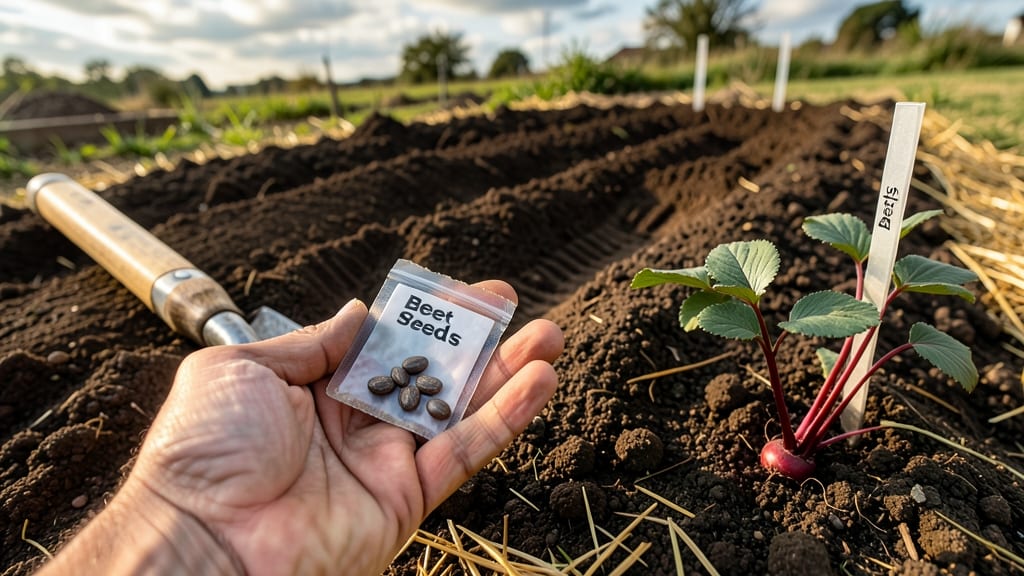
Timing your beet planting in Zone 5b isn't just about throwing seeds in the dirt—it's about outsmarting frost, heat, and soil temperature to unlock a bountiful harvest of those sweet, earthy roots.
With just a little planning, you can avoid the heartbreak of bolting or frost-nipped greens, turning your garden into a beet bonanza.
I've learned the hard way that planting too early or too late in Zone 5b can mean the difference between juicy beets and sad, stunted sprouts. The key?
Mastering soil temperatures and knowing exactly when to start seeds indoors or direct-sow for maximum success. Let me show you the perfect windows—no guesswork required.
Whether you're a first-time gardener or a seasoned pro, these tricks will help you stretch your growing season like never before. We'll cover everything from early spring escapes to late-summer planting hacks, so you can enjoy fresh beets from June through October. Ready to dig in?
Say goodbye to wasted seeds and hello to a garden full of vibrant, ready-to-harvest beets—all thanks to the right timing and a few pro tips. Let's get those 🍠 growing!
Zone 5b beet planting calendar: soil temperature rules for success
Mastering the Zone 5b beet planting calendar starts with understanding your soil's temperature thresholds. Unlike air temperature, soil temp dictates germination speed and root development. For beets, the ideal soil range is between 40°F and 70°F—too cold delays sprouting, while heat above 75°F triggers bolting (flowering).
Using a soil thermometer ($10 at garden centers) removes guesswork and maximizes success.
In Zone 5b, your last frost date typically falls around April 15, but beets can handle light frosts once established. The key is planting when the soil warms to 40°F consistently—usually 2-3 weeks after your last frost.
This timing ensures seeds germinate quickly and avoids the slow, uneven growth that plagues early plantings in chilly soils.
Here’s how to break down your Zone 5b beet planting windows by season, using soil temperature as your guide:
| Planting Window | Soil Temp Range (°F) | Days to Germination | Key Risks | Pro Tip |
|---|---|---|---|---|
| Early Spring (March-April) | 40-50°F | 14-21 days | Frost damage, slow germination | Use row covers for warmth |
| Late Spring (May-June) | 50-65°F | 7-14 days | Bolting in heat | Plant in partial shade |
| Fall (August-September) | 55-70°F | 10-18 days | Early frost | Choose cold-hardy varieties |
For early spring plantings in March-April, aim for soil temps of 40-50°F. This window works best if you’re using row covers or cold frames to protect seedlings.
Without these, wait until soil hits 50°F consistently—usually mid-April in Zone 5b. I’ve seen slow germination (20+ days) when planting too early, leading to uneven harvests.
Late spring (May-June) is your sweet spot for beets in Zone 5b. Soil temps of 50-65°F deliver fast germination (7-14 days) and robust growth. However, watch for bolting if temps climb above 75°F.
To prevent this, plant in partial shade (30-50% shade cloth) or choose fast-maturing varieties like ‘Detroit Dark Red’ for late-June plantings.
Don’t overlook fall plantings (August-September) in Zone 5b! Soil temps of 55-70°F during this window yield sweet, tender roots before frost. Start seeds 8-10 weeks before your first frost (around October 15 in Zone 5b) for a harvest in October-November.
Use cold-hardy varieties like ‘Ruby Queen’ to extend your season.
Pro tip: If your soil stays below 40°F in spring, try starter plants instead of seeds. While beets are typically direct-sown, transplants skip the germination phase and give you a head start. Just avoid transplanting when soil is below 45°F—roots struggle to establish in cold conditions.
🌱
Zone 5b beet planting calendar: soil temperature rules for success
Mastering the soil temperature for beets in Zone 5b is your secret weapon against frost and bolting. Unlike warm-season crops, beets thrive in cooler soils—40°F to 70°F—but timing is everything.
Plant too early, and you risk frost damage; too late, and you'll trigger bolting. The key? Using a soil thermometer to track temperatures before you even think about seeds.
In Zone 5b, your last frost date typically falls around April 15, but don't let that fool you. Beets need the ground to warm up first. For early spring plantings, aim for March to early April when soil hits 40°F.
This gives you a head start on the growing season while avoiding the worst of winter's chill. Just be ready to protect seedlings with row covers if frost sneaks back.
🌱
| Planting Window | Soil Temp Range (°F) | Days to Germination | Key Risks | Pro Tip |
|---|---|---|---|---|
| Early Spring (March-April) | 40-50°F | 14-21 days | Frost damage, slow germination | Use row covers for warmth |
| Late Spring (May-June) | 50-65°F | 7-14 days | Bolting in heat | Plant in partial shade |
| Fall (August-September) | 55-70°F | 10-18 days | Early frost | Choose cold-hardy varieties |
Don't overlook late summer plantings either! From July to early September, when soil temps hover between 55°F and 70°F, you can still coax a second harvest. This is where succession planting shines—sow every 2 weeks to keep a steady supply of beets rolling in.
Just watch for bolting as temperatures climb above 75°F, which turns sweet roots bitter.
For fall harvests, time your last planting by mid-August to ensure beets mature before the first frost in mid-October. Cold-hardy varieties like 'Detroit Dark Red' or 'Golden' are your best bets—they can handle light frosts and even sweeten up after a frost.
Mulch heavily with straw or leaves to insulate roots and extend the season.
Pro tip: If your soil stays stubbornly cold, try black plastic mulch to warm it up faster. Lay it down a week before planting to create a microclimate that speeds germination. And always water consistently—beets hate dry spells, which can lead to woody roots or cracked skins.
Aim for 1 inch of water per week, and you'll be rewarded with tender, flavorful harvests.
💧 Now that you've got the perfect planting windows locked down, let's talk about how to push those harvests even further—because in Zone 5b, your beet-growing potential doesn't have to end with a single planting! Next, we'll explore season-extending tricks to keep your garden producing beets from spring through fall.