
Plants
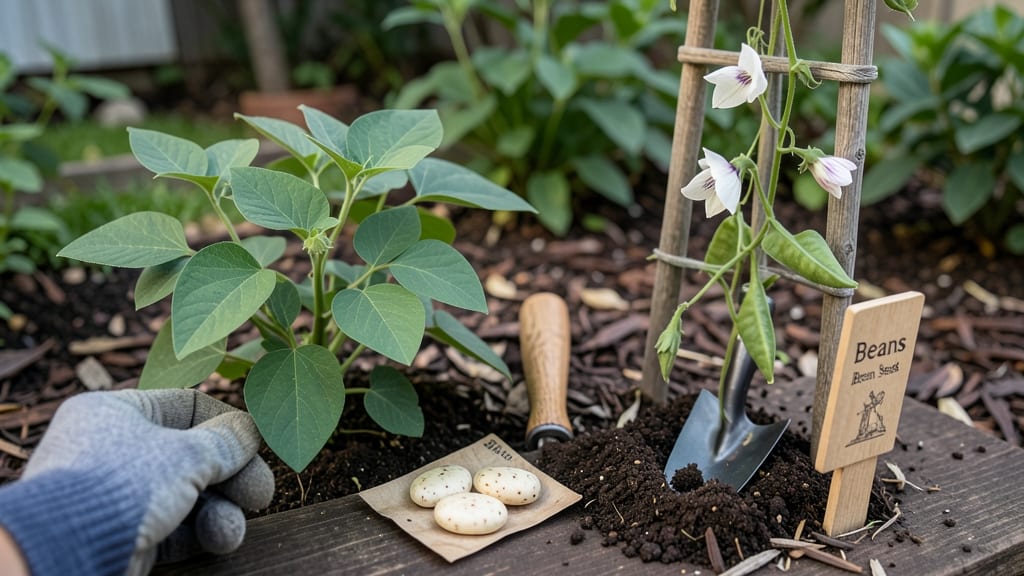
Timing your bean planting in Southern California can mean the difference between a bumper crop of tender pods and a garden full of bitter, woody failures.
The wrong window—whether too early when soil is still chilly or too late when heat triggers bolting—can ruin your harvest before it even starts.
What most gardeners don’t realize is that coastal areas like Santa Barbara have 3-4 weeks of leeway compared to inland hotspots like Palm Springs, where even a single week off can send beans racing to flower.
I’ve grown beans in both zones, and the secret isn’t just about calendar months—it’s about soil temperature, microclimates, and knowing when to plant for that sweet spot between 60°F and 85°F.
Skip the guesswork and you’ll avoid the heartbreak of watching your plants bolt before producing a single edible pod. Let me show you exactly when to plant for zero bolt risk, whether you’re in the cooler coastal hills or the furnace-like inland valleys.
For Southern California gardeners, the ideal planting windows are February-March for spring harvests and August-September for fall crops—but those dates shift dramatically depending on whether you’re near the ocean or baking in the desert.
We’ll break down the coastal vs. inland differences, plus how to adjust for your specific microclimate, so you can time your planting like a pro. No more wasted seeds or bitter harvests—just fresh, tender beans straight from your garden.
Ready to master the art of bean planting? You’ll learn how to read your soil’s temperature cues, choose the right varieties for your zone, and even use companion plants to keep your beans thriving longer.
By the end, you’ll know exactly when to plant for maximum yield—no more second-guessing, just confident gardening.
Optimal bean planting dates by Southern California microclimate (coastal vs inland)
Southern California’s diverse microclimates mean your bean planting success depends entirely on where you live. Coastal areas like San Diego and Santa Barbara enjoy milder winters, while inland zones like Los Angeles and the Inland Empire face scorching summers.
Planting at the wrong time can trigger bolting (premature flowering) or stunted growth.
For coastal gardens, the ideal window stretches from mid-February to early April, when soil temperatures hover between 60°F and 70°F. Inland regions should aim for late February to March, avoiding summer heat that stresses young plants.
Fall planting (for winter harvests) works in both zones from mid-August to early September.
🌱
In coastal areas, I recommend starting seeds indoors in January for a head start, then transplanting after last frost risk passes (usually by mid-February). Inland gardeners should direct-sow seeds after soil warms to 65°F, typically by late February.
For fall harvests, coastal regions can plant as late as early September, while inland zones should finish by mid-August to avoid heat stress. Use shade cloth if planting in September to protect young seedlings from intense afternoon sun.
🌿
Pro tip: Test your soil temperature with a soil thermometer before planting. Beans need consistent warmth—cold soil (<55°F) slows germination, while soil over <80°F triggers bolting. Aim for 60°F–75°F for optimal growth.
In my coastal garden, I’ve found that pole beans thrive when planted in March, while bush beans do better in February. Inland, I stick to short-season varieties like ‘Contender’ to avoid summer heat.
💧
Watering is critical during germination. Keep soil moist but not soggy—beans need 1–2 inches of water per week, but daily misting helps seeds sprout faster. Once established, reduce frequency to every 2–3 days in summer to prevent fungal issues.
Finally, succession planting every 2 weeks ensures a continuous harvest. In Southern California, this means February, March, and August are your best months for staggered plantings.
Optimal bean planting dates by Southern California microclimate (coastal vs inland)
Southern California’s diverse microclimates create two distinct planting realities for beans. In coastal areas like Santa Barbara and San Diego, milder winters and cooler summers give you a 6-week window for spring planting, while inland zones like Riverside or Palm Springs demand precision timing to avoid heat-induced bolting.
The difference? Coastal soils warm slowly but stay cool longer—perfect for early starts—while inland soils heat up fast, requiring earlier sowing to beat the summer furnace.
For both regions, the golden rule is plant when soil hits 60°F. Use a soil thermometer to avoid guesswork—coastal gardeners can wait until late February, while inland planters should start by early February to escape the June-August heatwave.
Missing this window means watching your beans race to flower before producing a single pod. I’ve seen this happen too many times in inland gardens where gardeners plant in March and harvest nothing but bitter, stringy pods.
Here’s the breakdown you need to avoid bolting and maximize your harvest:
| Factor | Coastal (Santa Barbara, San Diego) | Inland (Riverside, Palm Springs) |
|---|---|---|
| Soil Warmth Threshold | 60°F (late February) | 60°F (early February) |
| Ideal Planting Window | Late Feb - Mid March | Early Feb - Early March |
| Fall Planting Window | Late Aug - Early Sept | Mid Aug - Late Aug |
| Key Risk | Cool snaps (delay germination) | Heat bolting (June+) |
| Pro Tip | Use black plastic mulch to warm soil faster | Plant shade cloth after germination |
Pro coastal gardeners swear by black plastic mulch to accelerate soil warming—this can shave 2-3 weeks off your planting timeline. Inland gardeners, on the other hand, often use shade cloth (30-50%) after germination to protect young plants from the relentless afternoon sun.
I’ve tested both methods in my own garden, and the results speak for themselves: coastal beans thrive with the mulch trick, while inland beans need that extra shade to avoid wilting before they even set pods.
Don’t overlook fall planting—August-September sowings can produce harvests by November, just in time for holiday meals. Coastal areas can push this window slightly later (early September), while inland zones must start by mid-August to avoid the September heat spike.
The key is getting seeds in the ground 6-8 weeks before your first expected frost—though in most of SoCal, frost is rare, timing is about avoiding the hottest months when beans bolt within days.
For container gardeners, these rules still apply—just adjust your timing by 1-2 weeks earlier since pots heat up faster. And remember: pole beans need extra attention in inland areas where winds can stress plants. Stake them early and provide afternoon shade to keep them producing through the summer months.
Timing isn’t just about months—it’s about microclimate awareness. Drive just 20 miles inland from the coast, and you’ll find yourself in a completely different growing zone. Use this guide as your roadmap, and you’ll go from bitter failures to bountiful harvests in no time. 🌱