
Plants
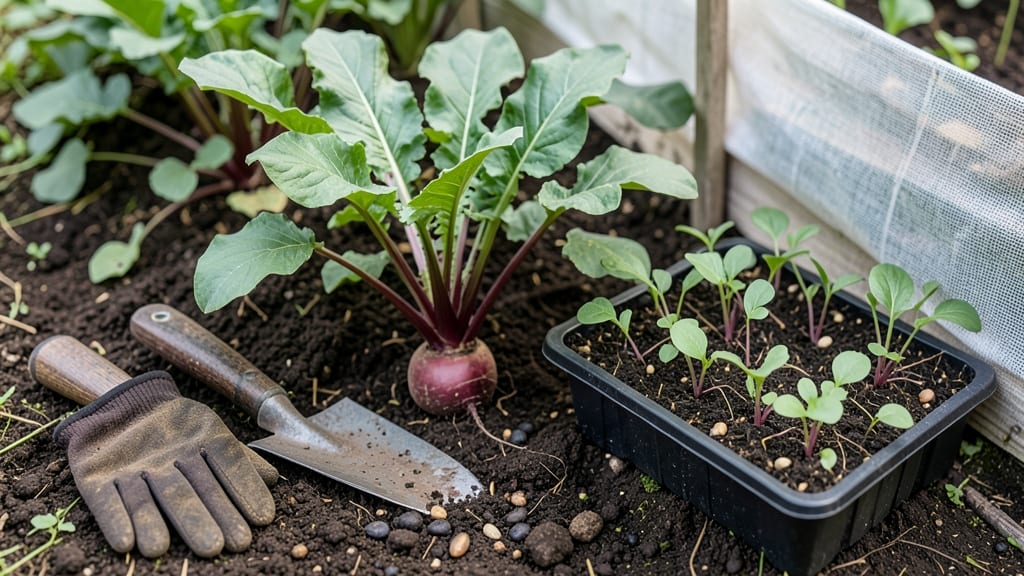
Timing your beet planting in Minnesota isn't just about luck—it's the key to avoiding bitter roots and maximizing your harvest. With Zone 4a-5b's short growing season, knowing when to plant 🍠 can mean the difference between a thriving garden and wasted effort.
Most gardeners in Minnesota plant beets twice a year: once in spring (mid-April to late June) and again in early July for a fall harvest. But getting the timing right means accounting for frost dates, soil warmth, and your local microclimate.
Skip the guesswork and discover the exact windows that work best for your region.
Whether you're growing Detroit Dark Red for their rich flavor or Chioggia for their stunning rings, the right planting schedule ensures tender roots by harvest time. Let's break down the best times to sow your seeds so you can enjoy fresh beets from July through October.
Ready to transform your garden into a beet bonanza? I'll walk you through everything you need to know—from soil prep to frost protection—to make your Minnesota beet season a success.
Minnesota beet planting calendar: exact dates for frost-free success
Timing your beet planting in Minnesota’s Zone 4 climate means working with a tight window between last frost (around May 15) and first frost (around October 1). The key is planting when soil temperatures reach at least 45°F—cold soil can stunt germination.
For most Minnesota gardeners, this means two planting seasons: spring and fall. Let’s break down the exact dates and conditions for each.
Spring planting is your first opportunity to grow beets, but rushing too early can lead to frost damage or slow growth. Aim to plant 4-6 weeks before your last frost date, typically between mid-April and late May.
This gives seedlings enough time to establish roots before summer heat sets in. For example, if your last frost is May 15, start sowing seeds around April 20 for a mid-June harvest.
Fall planting extends your harvest into late autumn, but you’ll need to time it so beets mature before first frost. Plant seeds 90 days before your first frost, usually between late July and early August.
This ensures roots reach harvest size (1-3 inches) before temperatures drop. In Minnesota, this often means a September-October harvest before hard frosts arrive.
🌱
📅 Minnesota Beet Planting Timeline
| Season | Planting Window | Soil Temp | Harvest Window | Key Notes |
|---|---|---|---|---|
| Spring | Mid-April to late May | 45°F+ | June–September | Plant ½" deep, thin seedlings to 2" apart |
| Fall | Late July–early August | 50°F+ | September–October | Use cold-hardy varieties like Detroit Dark Red |
| Early Spring (Under Cover) | Late March–early April | 40°F+ | May–June | Use grow lights or cold frames for early starts |
🌡️ Pro Tip: Test soil temperature with a thermometer—wait until it’s consistently 50°F+ for best germination.
Soil temperature is critical for beet germination. Seeds won’t sprout well below 45°F, and growth slows dramatically in cold soil. Use a soil thermometer to check temperatures—aim for 50°F+ for optimal results.
In Minnesota’s unpredictable climate, early spring plantings may need row covers or cold frames to protect young seedlings from late frosts.
Another trick for Minnesota gardeners is succession planting. Sow seeds every 2 weeks from mid-April through June to ensure a steady supply of fresh beets. This method also reduces the risk of bolting (flowering prematurely) caused by heat stress.
For example, plant a batch on April 20, another on May 5, and a final one on May 20 for a staggered harvest.
If you’re planting in containers or raised beds, warm up the soil faster by using black plastic mulch or covering the bed with a clear plastic tunnel a few days before sowing. This raises soil temperatures by 5-10°F, speeding up germination. Just
For fall beets, focus on varieties with shorter maturity times (like Boltardy or Gold Beet) to ensure they’re ready before frost. Plant seeds in late July for a harvest in September-October. Use row covers in late September to extend the season by 2-3 weeks, protecting beets from light frosts (28°F).
🌿 One common mistake Minnesota gardeners make is planting beets too late in spring, leading to bolting (flowering) before harvest. To avoid this, choose heat-tolerant varieties like Chioggia or Detroit Dark Red, and always plant in partial shade during peak summer heat.
Mulch heavily with straw to keep roots cool and moist.
Finally, keep an eye on your local frost dates, which can vary by 1-2 weeks depending on your specific Minnesota location. Check resources like the MN State Climatology Office or use a
How to extend your beet harvest season in Minnesota’s short growing Zone
Minnesota’s 165 frost-free days demand smart strategies to grow beets from spring to fall. The key is succession planting—sowing seeds every 2-3 weeks—to keep a steady supply of fresh roots.
Start your first batch in mid-April when soil reaches 40°F, then repeat through late June for a continuous harvest.
For fall beets, plant again in early July to mature before the October 1 first frost. Choose cold-hardy varieties like Detroit Dark Red or Golden—they tolerate cooler temps and store well. A row cover can push harvests 2-3 weeks later by protecting plants from early frosts.
🌱
📌 5 Proven Strategies to Extend Your Beet Season
- 🌱 Succession Planting: Sow seeds every 2-3 weeks from April to July for staggered harvests.
- 🌡️ Use Row Covers: Extend fall harvest by 2-3 weeks with lightweight fabric to delay frost damage.
- 🌿 Choose Cold-Hardy Varieties: Opt for Detroit Dark Red or Chioggia—they thrive in cooler temps.
- ☀️ Maximize Sunlight: Plant in full sun (6+ hours/day) to speed up growth and improve flavor.
- 💧 Consistent Watering: Keep soil moist but not waterlogged to prevent woody roots.
Don’t overlook container gardening for late-season beets. Pots on a sunny patio or balcony can yield harvests until mid-October if moved indoors before hard frosts. Just ensure containers have drainage holes and use lightweight potting mix to prevent root-bound stress.
For overwintering, harvest beets before the ground freezes and store them in a cool, dark place (32-40°F) for up to 3 months. Alternatively, leave a few in the ground under mulch (straw or leaves) to harvest early spring—just avoid disturbing roots until soil thaws.
🌿
Pro tip: Mark your last frost date on your calendar and count back 50-60 days to schedule your final planting. This ensures beets mature before October’s first frost while avoiding the heat of summer, which can make roots woody and tough.