
Plants
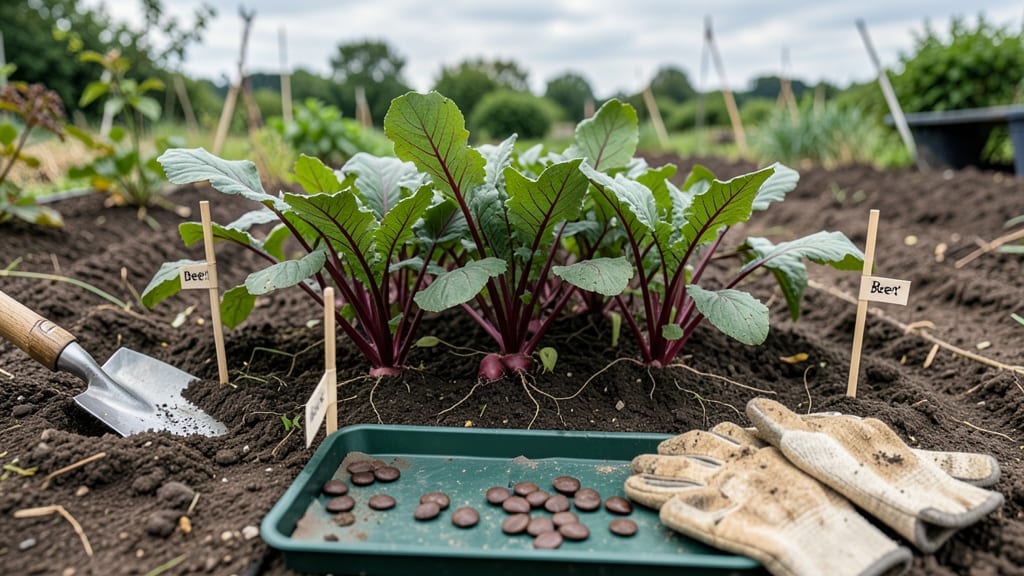
If you've ever wondered when to plant beets in Massachusetts without ending up with bitter, woody roots, timing is the secret weapon.
The 6a climate here means your beet seeds need to hit the soil at just the right moment—too early and frost zaps them, too late and summer heat turns them tough.
I’ve grown 🍠 beets in Massachusetts for years, and the key is planting in two windows: early spring (as soon as the soil warms) and late summer (for a fall harvest).
Skip the guesswork—this guide breaks down the exact frost-free schedule so you can enjoy sweet, tender roots from late spring through early fall.
You’ll learn how to align your planting with Massachusetts’ last frost date (April 15), extend the season with fall succession plantings, and avoid common mistakes that ruin beet crops.
Whether you’re a first-time gardener or a seasoned green thumb, these tips will help you grow beets that rival the ones at the farmers’ market.
Ready to dig in? Let’s get your beet seeds in the ground at the perfect time—so you can harvest crisp, flavorful roots all season long.
Massachusetts beet planting calendar: best months by frost zones
Massachusetts' USDA zones 5-7 create distinct planting windows for beets. In Northern MA (Zone 5), where last frosts hit April 15-May 1, start seeds indoors 4-6 weeks before your last frost date.
For Central (Zone 6) and Southern MA (Zone 7), direct sowing begins 2-4 weeks earlier, typically by March 15-April 1.
Your primary planting window spans March through June, with a secondary fall window from July 15-August 15. Fall plantings must be timed to harvest before first frosts (October 15).
Southern MA gardeners enjoy 2-3 weeks longer growing seasons than Northern regions, giving you more flexibility for succession planting.
Beets thrive in cool soil temperatures (50-75°F). In Massachusetts, soil warms to ideal planting temps by mid-April in Southern MA and late April in Northern MA. Use a soil thermometer to confirm readiness—plant when temps consistently reach 55°F+ at 2-inch depth.
| Zone | Last Frost | Primary Planting Window | Fall Planting Window | Harvest Timeline |
|---|---|---|---|---|
| Northern MA (Zone 5) | April 15-May 1 | March 20-April 30 (Indoors: Feb 15-Mar 15) |
July 20-August 10 | May 15-Sept 15 (Fall: Sept 1-Oct 10) |
| Central MA (Zone 6) | April 1-May 1 | March 15-April 15 (Indoors: Feb 1-Mar 10) |
July 15-August 15 | May 1-Sept 30 (Fall: Sept 15-Oct 15) |
| Southern MA (Zone 7) | March 20-April 15 | March 1-April 1 (Indoors: Jan 20-Feb 15) |
July 1-August 20 | April 15-October 1 (Fall: Sept 1-Oct 20) |
For continuous harvests, stagger plantings every 2-3 weeks from March through July. This ensures fresh beets from late May through October. In Southern MA, you can even extend harvests into early November with proper frost protection for late plantings.
Use row covers or cold frames to protect early plantings from late spring frosts, which can occur until May 15 in Northern MA. These tools also help warm soil faster in cool springs, giving seedlings a head start.
Northern MA gardeners should prioritize fast-maturing varieties (50-55 days) like 'Detroit Dark Red' or 'Babybeat' for reliable harvests. Southern MA can experiment with longer-season varieties (60+ days) like 'Chioggia' for larger roots.
Always test soil pH (6.0-7.0) before planting. Massachusetts soils often need compost or lime to reach ideal levels. Amend beds with 2-3 inches of compost 2-3 weeks before planting for best results.
Remember: Beets hate heat. Plant fall crops by August 15 to avoid summer bolting from high temperatures. Use shade cloth (30-50%) if planting in July-August to protect seedlings from intense sun.
🌱
Massachusetts beet planting calendar: best months by frost zones
Massachusetts spans USDA zones 5-7, and your planting window shifts slightly depending on whether you're in Northern (Zone 5), Central (Zone 6), or Southern (Zone 7) MA. The key is planting when soil temperatures hit 45°F—cold soil delays germination, while summer heat causes bolting.
For 🍠 beets, aim for two planting windows: early spring (March-April) and late summer (August-September).
In Zone 5 (Northern MA), start seeds indoors by March 1 or direct-sow after your last frost date (April 15). For Zone 6 (Central MA), you can direct-sow as early as late March if soil is workable.
Southern MA (Zone 7) gardeners enjoy a longer window—plant February-March for early harvests or August-September for fall crops.
Here’s how to align your planting with Massachusetts’ 165 frost-free days:
| Zone | Spring Planting Window | Fall Planting Window | Harvest Timeline |
|---|---|---|---|
| Zone 5 (Northern MA) | March 15–April 15 | August 1–September 15 | May–October |
| Zone 6 (Central MA) | March 1–April 30 | July 15–September 1 | April–November |
| Zone 7 (Southern MA) | February 15–April 15 | July 1–September 15 | March–December |
For a continuous harvest, stagger plantings every 2–3 weeks in spring and 3–4 weeks in fall. In Zone 6 (Central MA), where I garden, I plant my first round on March 20 and my last on August 15 to ensure fresh beets from May through October.
Use row covers if planting early to protect from late frosts.
Pro tip: Test your soil’s readiness with a soil thermometer. Beets need 50–85°F soil for optimal germination. If your soil is too cold, wait a week or two—rushing leads to poor germination rates.
In my garden, I’ve seen germination drop from 90% to 30% when planting in 40°F soil.
Don’t forget about fall succession plantings! Planting in late August gives you roots ready by October 15, just before the first frost. Use black plastic mulch to warm the soil and extend the season by 2–3 weeks.
I’ve harvested beets as late as November 1 using this method.
Plan your beet schedule now—your 🍠 harvest depends on it! With these frost-free windows, you’ll avoid the woody texture and bitterness that comes from planting at the wrong time.