
Plants
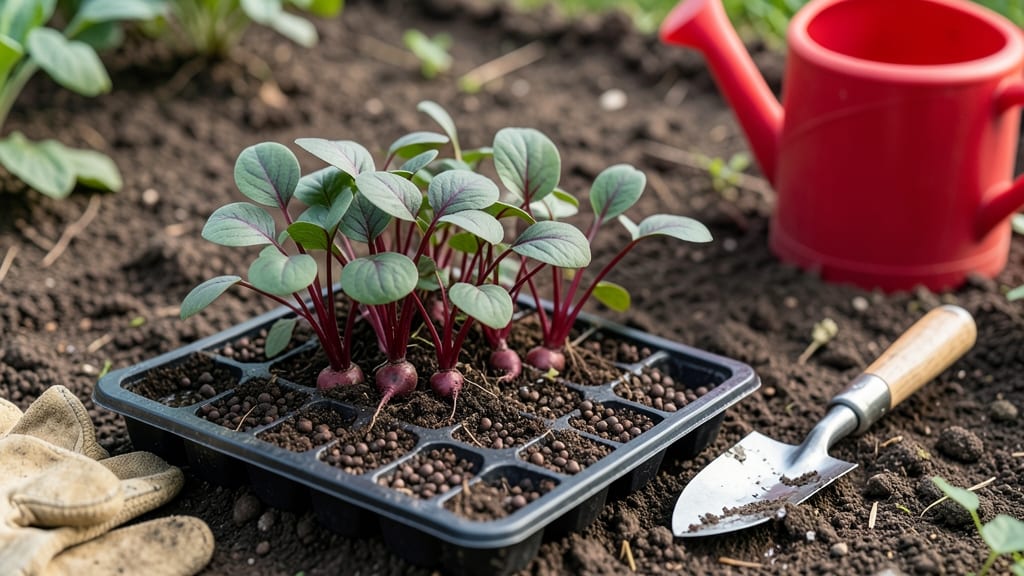
Knowing when to plant beets in Kentucky can make or break your harvest—especially in zones 6a-7a, where hot summers and unpredictable frosts demand precision. Skip the wrong timing, and you’ll end up with bitter, woody roots or seedlings that bolt before they mature.
But get it right, and you’ll enjoy tender, sweet 🥕 all season long.
Kentucky’s climate gives you two prime windows: early spring (March-April) and late summer (July-August). These months align with soil temperatures between 40-85°F, the sweet spot for fast germination. Spring plantings reward you with harvests by June, while fall crops let you enjoy beets through October.
Here’s the game-changer: succession planting every 2-3 weeks ensures a steady supply. Whether you’re a first-timer or a seasoned gardener, mastering these timing tricks will transform your garden into a beet bonanza—no more gaps in your harvest!
Ready to dive in? Let’s break down the exact months, soil prep secrets, and how to avoid Kentucky’s most common beet-planting blunders. Your next harvest starts now.
Best Kentucky beet planting months by season: spring vs fall timing
Kentucky’s Zone 6a-7a climate creates a unique challenge for beet growers. Unlike cooler northern states, our hot summers and mild winters demand precise timing to avoid bolting or stunted growth. The key? Plant when soil temperatures hover between 40°F and 85°F—beets germinate poorly in extremes.
Most gardeners in Kentucky focus on two ideal planting windows: early spring and late summer. Each offers distinct advantages. Spring plantings give you a summer harvest, while fall plantings extend your season into cool autumn months.
Let’s break down the best months for each, including soil prep tips tailored to Kentucky’s clay-heavy soils.
| Planting Window | Best Months in KY | Soil Temp | Key Considerations |
|---|---|---|---|
| Early Spring | March–April | 40–60°F |
|
| Late Summer | July–August | 65–85°F |
|
🌱 Pro Tip: For Louisville/Lexington, adjust 1–2 weeks earlier than rural areas due to urban heat islands.
For spring plantings, start seeds indoors in February if you’re eager for an early harvest. Harden off seedlings for 7–10 days before transplanting outdoors after the last frost (usually mid-March). In Kentucky’s clay soils, amend beds with compost or sand to improve drainage—beets hate soggy roots.
If you’re planting in late summer, prioritize shade cloth during peak afternoon heat (1–3 PM). Beets grown in Kentucky’s July–August heat often bolt prematurely, so opt for quick-maturing varieties like ‘Babybeat’ or ‘Golden’. Water deeply twice weekly to encourage root growth before cooler weather arrives.
One common mistake Kentucky gardeners make? Planting beets too early in February or too late in September. Soil temperatures below 40°F or above 85°F slow germination, while long daylight hours in summer trigger bolting. Stick to the March–April and July–August windows for reliable results.
For urban gardeners in Louisville or Lexington, microclimates can shift planting dates by 1–2 weeks. Monitor your local frost-free date (check the National Weather Service) and adjust accordingly. In rural areas with cooler nights, you might push spring plantings into early May for a late-summer harvest.
Remember: Beets are cool-season crops, but Kentucky’s humid heat makes timing critical. By planting in early spring or late summer, you’ll avoid the worst of our 90°F+ summers and freezing winters, ensuring sweet, tender roots all season long.
Need a continuous harvest? Combine spring and fall plantings with succession sowing—we’ll cover that in the next section! For now, mark your calendar for March 15 and July 15 as your ideal Kentucky beet planting deadlines.
How to extend beet harvests in Kentucky: succession planting schedule
Want a steady supply of sweet, homegrown beets all season? The secret is succession planting—staggering your plantings every 2-3 weeks to keep your harvest going. In Kentucky’s Zone 6a-7a, this means starting in early spring and continuing through late summer for fall crops.
Without this strategy, you’ll face gaps between harvests or risk bolting during Kentucky’s heat waves.
For spring plantings, begin as soon as the soil reaches 40°F (typically mid-March in most of Kentucky). Then, sow new seeds every 2 weeks until early May. This ensures you’ll have beets ready to harvest from June through August.
For fall, start your last planting by mid-July to harvest before the first frost (usually mid-November).
Not all beet varieties handle Kentucky’s heat equally. For spring, ‘Detroit Dark Red’ and ‘Golden’ varieties thrive in cooler temps, while ‘Chioggia’ (striped beets) tolerate slightly warmer conditions. In fall, opt for heat-tolerant varieties like ‘Ruby Queen’ to avoid bolting before harvest.
| Planting Window | Key Varieties | Harvest Time | Avoid Bolting |
|---|---|---|---|
| Mid-March to Early May | Detroit Dark Red, Golden | June-August | Use row covers for frost protection |
| Mid-July to Mid-August | Ruby Queen, Chioggia | October-November | Plant in partial shade for summer |
Protect your seedlings from Kentucky’s unpredictable late spring frosts by using row covers or planting near windbreaks. In summer, provide partial shade during the hottest afternoons to prevent bolting. Mulch with straw to keep soil moisture consistent—Kentucky’s clay-heavy soil can dry out quickly, stressing young plants.
For a foolproof schedule, mark your calendar with these deadlines: March 15 (first spring planting), May 1 (last spring planting), and July 15 (first fall planting). Sticking to this timeline ensures you’ll have beets ready to harvest every 6-8 weeks, giving you a near-continuous supply.
With succession planting, you’ll never run out of fresh beets—whether you’re roasting them for dinner or pickling for winter. Plus, the variety keeps your garden exciting and your table stocked with homegrown goodness all season long! 🥕