
Plants
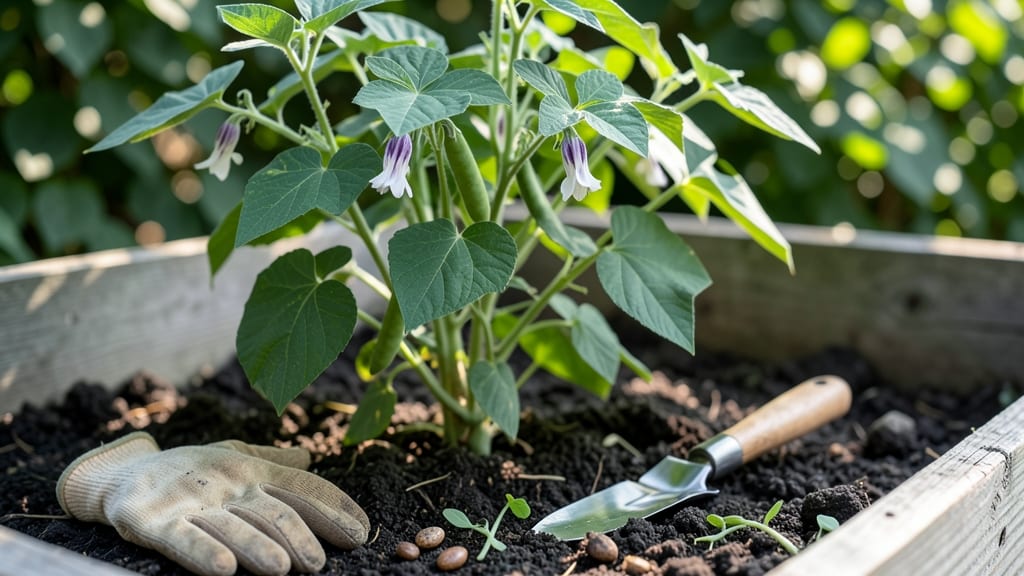
Timing your Beans 🌱 planting in Oklahoma isn’t just about luck—it’s the difference between a bumper crop and wasted effort. The 6a-8a climate zones here demand precision, and getting it wrong means frost-nipped seedlings or heat-stressed plants before they yield.
But here’s the good news: with the right schedule, you can enjoy fresh-picked beans from late June through October without the guesswork.
Most Oklahoma gardeners swear by planting after the last frost, typically mid-April to early June, but that’s just the starting point. The real secret lies in soil temperature—beans need 60°F+ to germinate, and waiting for that warmth (not just frost-free dates) ensures strong starts.
For a second harvest, late July to August planting gives you a fall crop just in time for cooler weather.
This isn’t just theory—it’s battle-tested advice from local growers who’ve mastered Oklahoma’s unpredictable swings from 30°F mornings to 100°F afternoons. Whether you’re planting bush beans for quick harvests or pole varieties for continuous production, the key is matching your schedule to your region’s microclimate.
Let’s break down the exact weeks to plant, plus pro tips to outsmart Oklahoma’s weather quirks.
Ready to go from seed to supper? You’ll learn how to time your planting for maximum yield, choose the right varieties for your zone, and keep your beans thriving through summer’s heat. No more wasted seeds or missed harvests—just a garden bursting with flavor.
Oklahoma bean planting calendar: exact weeks before last frost by region
Beans thrive in Oklahoma’s warm climate, but timing is critical—plant too early and frost zaps seedlings; too late and summer’s heat stunts growth. The key is aligning your planting with soil temperatures (60°F+) and regional frost dates. Below is your Oklahoma-specific planting calendar, broken down by region, to ensure a bountiful harvest.
Oklahoma spans USDA Zones 6a-8a, meaning frost dates vary dramatically. Northern areas (like Enid) often see last frosts in mid-April, while Southern regions (like Tulsa) may be frost-free by early April.
Central Oklahoma (e.g., Oklahoma City) typically hits late March to early April**. Plan accordingly to avoid frost damage.
🌱
| Region | Avg. Last Frost | Planting Window | Ideal Soil Temp | Harvest Window |
|---|---|---|---|---|
| Northern OK (e.g., Enid, Woodward) | Mid-April | Late April to early May | 60°F+ (consistently) | Late July to early August |
| Central OK (e.g., OKC, Norman) | Late March to early April | Early April to mid-May | 60°F+ (consistently) | Late June to August |
| Southern OK (e.g., Tulsa, Lawton) | Early April | Mid-March to early June | 60°F+ (consistently) | June to September |
| Fall Planting (All Regions) | N/A | Late July to August | 60°F+ (soil) | September to October |
For bush beans, aim to plant 1-2 weeks after your region’s last frost date.
These varieties mature quickly (50-60 days), so earlier planting works well. Pole beans, which take 60-70 days to harvest, benefit from a slightly later start (mid-April to early May in most regions) to avoid early-season heat stress.
Soil temperature is more critical than air temperature. Use a soil thermometer to confirm your garden beds have reached 60°F at a 2-inch depth. Cold soil delays germination and weakens seedlings.
If your soil is still chilly, consider black plastic mulch or a cold frame to warm it up faster.
Oklahoma’s fall planting window (late July to August) is often overlooked but can yield a second harvest before frost. Choose heat-tolerant varieties like ‘Rattlesnake’ or ‘Scarlet Runner’ for better success. Plant 8-10 weeks before your first expected frost (typically mid-October in Northern OK and early November in Southern OK).
🌿
Pro tip: Succession planting every 2 weeks after your initial planting extends your harvest season. For example, in Central Oklahoma, plant a batch in early April, another in mid-April, and a final one in early May to ensure a steady supply of fresh beans all summer.
Watch for late frosts, especially in Northern Oklahoma. If frost is forecasted after your planting date, cover seedlings with row fabric or a cloche to protect them. Beans are sensitive to cold, and even a light frost can stunt growth or kill young plants.
💧
How to adjust your planting schedule for Oklahoma’s unpredictable weather patterns
Oklahoma’s weather is famously fickle—one week you’re battling late frosts, the next you’re sweltering under 100°F+ heat. For beans, which thrive in 60°F+ soil, this means your planting window can shift by weeks.
The key is flexibility: monitor soil temps (not just air temps) and be ready to adjust your schedule based on real-time conditions. Most gardeners in Northern Oklahoma (Zone 6a) wait until mid-May to play it safe, while Southern Oklahoma (Zone 8a) gardeners can start as early as late March.
If you’re planting too early and hit a late frost, cover seedlings with frost cloth or row covers. For heatwaves arriving earlier than expected, opt for heat-tolerant varieties like ‘Rattlesnake’ beans, which handle Oklahoma’s summer better than standard types.
Pro tip: Use a soil thermometer—beans won’t germinate until soil hits 60°F, even if the air feels warm.
Here’s how to outsmart Oklahoma’s weather quirks with succession planting. Instead of one big planting, space out seeds every 2 weeks from April to July. This ensures a steady harvest and reduces the risk of losing your entire crop to a single heatwave or frost.
For example, plant a batch in mid-April, another in early May, and a final one in late June for a fall harvest.
🌡️ 5 Pro Tips to Adjust Your Planting Schedule
- 1. Wait for 60°F soil—not just frost-free days. Use a soil thermometer to confirm.
- 2. Plant heat-tolerant varieties like ‘Blue Lake’ or ‘Kentucky Wonder’ for summer success.
- 3. Use black plastic mulch to warm soil faster and suppress weeds.
- 4. Succession plant every 2 weeks for continuous harvests and risk reduction.
- 5. Monitor NOAA forecasts for late frosts or early heatwaves and adjust timing.
Drought is another Oklahoma wild card. Beans need consistent moisture, especially during flowering and pod formation. If rain is scarce, water deeply 2-3 times per week in summer, focusing on the root zone.
Drip irrigation or soaker hoses work best to avoid wetting leaves, which can lead to fungal diseases. For extra insurance, mulch with straw or grass clippings to retain soil moisture and keep roots cool.
If you’re in Central Oklahoma (Zone 7a), aim for a late April to early May planting window. This balances the risk of frost with the need for warm soil.
For fall planting, start seeds in late July to early August—early enough to mature before the first frost (usually mid-October), but late enough to avoid summer’s brutal heat. Test your soil’s pH (6.0-7.0) and add compost to improve drainage, as Oklahoma’s clay-heavy soils can suffocate roots.
Remember, Oklahoma’s microclimates vary dramatically. A valley might be 2 weeks warmer than a hilltop, so observe your own garden’s conditions. By combining soil temperature checks, succession planting, and heat/drought-resistant varieties, you’ll turn Oklahoma’s unpredictable weather into an advantage—harvesting beans from June through October without the stress.