
Plants
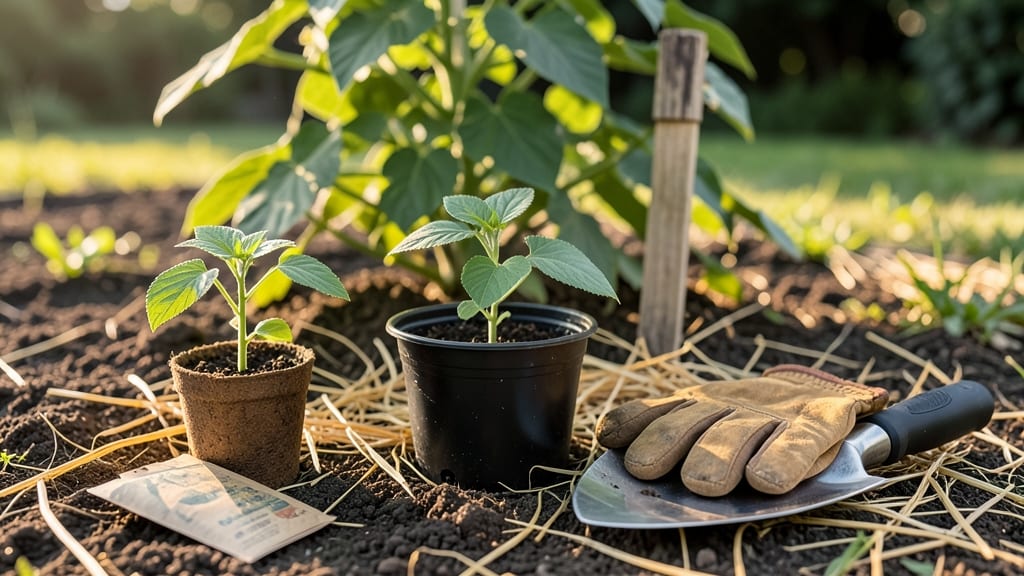
Timing your bean planting in Indiana can make or break your harvest—especially when those unpredictable spring frosts sneak up. The difference between a thriving 🌱 garden and a sad, wilted disappointment often comes down to knowing exactly when to plant.
With Indiana’s USDA zones 5b-6b and fluctuating weather, most gardeners wait until mid-April to early June after the last frost. But there’s more to it than just dates—soil temperature plays a critical role in ensuring your beans sprout strong and healthy.
I’ve grown beans in Indiana for years, and I’ll show you how to check soil temps, adjust for regional microclimates, and even squeeze in a fall planting for a second harvest.
Whether you’re a first-time gardener or a seasoned pro, these tips will help you avoid common mistakes and maximize your yield.
Let’s dive into the exact timing, soil conditions, and pro strategies that’ll have your beans flourishing from July all the way through October. Your future harvest starts with the right planting window—and I’ve got you covered.
Indiana bean planting timeline: soil temperature & frost-free dates
Indiana’s USDA zones 5b-6b create a tight window for planting beans—miss the mark, and you risk frost damage or stunted growth. The key? Soil temperature must reach 55-65°F before seeds sprout reliably.
In most regions, this aligns with mid-April to early June for spring beans, but northern Indiana may need to wait until late May.
Southern Indiana’s warmer microclimates often allow planting 2-3 weeks earlier than the northern half. For example, Evansville’s last frost typically occurs by April 15, while Gary’s can linger until May 1.
Always check your local frost-free date—a critical factor for pole beans, which need a long growing season.
Fall planting is another option for Indiana gardeners. Late July plantings can yield harvests before the first frost in mid-October. This strategy works best for bush beans, which mature faster than their pole counterparts.
Here’s the soil temperature breakdown by bean type:
- Pole beans: Wait until soil hits 60°F+—they’re sensitive to cold.
- Bush beans: Tolerate slightly cooler soil (55°F) but thrive at 60°F+.
- Lima beans: Need 65°F+ soil to germinate reliably.
| Region | Last Frost Date | Ideal Planting Window | Soil Temp Threshold |
|---|---|---|---|
| Northern Indiana (e.g., Fort Wayne) | May 10-15 | Late May - Early June | 60°F+ |
| Central Indiana (e.g., Indianapolis) | April 25-May 5 | Mid-April - Early June | 55°F+ |
| Southern Indiana (e.g., Louisville area) | April 10-15 | Early April - Late May | 50°F+ (for bush beans) |
| Fall Planting (Statewide) | Mid-October | Late July - Early August | 60°F+ |
Use a soil thermometer to verify temperatures—don’t rely on air temps alone. I’ve learned the hard way that 50°F air can hide 40°F soil, especially in shaded or clay-heavy areas. For extra safety, pre-sprout seeds indoors 5-7 days before planting outdoors.
If you’re in a lake-effect zone (like near Lake Michigan), expect delayed warming. Plant 2 weeks later than inland areas to avoid frost surprise. Conversely, urban heat islands (e.g., Indianapolis) may allow earlier planting—test soil temps to confirm.
For pole beans, aim to plant 45-60 days before your first frost.
In Indiana, this means late May to early June for most regions. Bush beans mature faster (40-50 days), giving you more flexibility. Lima beans need 80-100 days, so plant them by mid-June for a summer harvest.
Pro tip: Mark your calendar for June 15—this is Indiana’s official cutoff for spring bean planting. After this date, focus on fall varieties or container gardening for extended harvests.
Always account for 10-14 days of buffer time after your local frost date. A late frost in May or early October can wipe out young plants. Use row covers if planting early to add 2-4°F protection.
Remember: Soil temperature > air temperature. A sunny 70°F day with 50°F soil will stall germination. Test your soil’s warmth with a thermometer—60°F is the magic number for most bean varieties.
Indiana bean planting timeline: soil temperature & frost-free dates
Indiana’s last frost dates vary dramatically—Northern Indiana (like Fort Wayne) averages May 15, while Southern Indiana (Evansville) typically sees frost-free conditions by April 15. But don’t rely solely on dates! Your beans need soil temperatures of at least 55°F to sprout, with ideal germination occurring between 60-65°F.
For pole beans and bush beans, aim for planting 2-3 weeks after your average last frost date. This gives young plants time to establish roots before summer heat arrives. Lima beans, which are more sensitive to cold, should wait until soil reaches 65°F—often mid-May in most regions.
🌱 Pro Tip: Use a soil thermometer (just $10 at garden centers) to check temps 2 inches deep. Morning readings are most accurate since soil cools overnight.
| Region | Avg Last Frost | Ideal Planting Window | Soil Temp Threshold | Best Varieties |
|---|---|---|---|---|
| Northern IN (Zone 5b) | May 10-15 | May 20 - June 5 | 60-65°F | Kentucky Wonder, Blue Lake |
| Central IN (Zone 6a) | April 25 - May 5 | May 10 - May 25 | 55-60°F | Tendergreen, Romano |
| Southern IN (Zone 6b) | April 10-15 | April 25 - May 10 | 55°F+ | Fordhook Lima, Contender |
| Fall Planting (All Regions) | N/A | Late July - Early Aug | 60°F+ | Black Valentine, Provider |
For fall harvests, plant 80-90 days before your first frost (typically late July to early August). This gives beans time to mature before cooler weather sets in. Black Valentine beans, for example, thrive in Indiana’s fall conditions and produce sweet pods well into October.
🌡️ Watch Out: If your soil stays below 50°F for more than a week, germination slows dramatically. In these cases, consider pre-sprouting seeds indoors (place damp paper towels in a warm spot for 3-5 days) before transplanting.
Remember, Indiana’s microclimates can shift planting windows by 1-2 weeks. Urban areas often warm up faster than rural spots, while lake-effect zones (like near Lake Michigan) may experience delayed spring warming. Always monitor your specific location’s trends.