
Plants
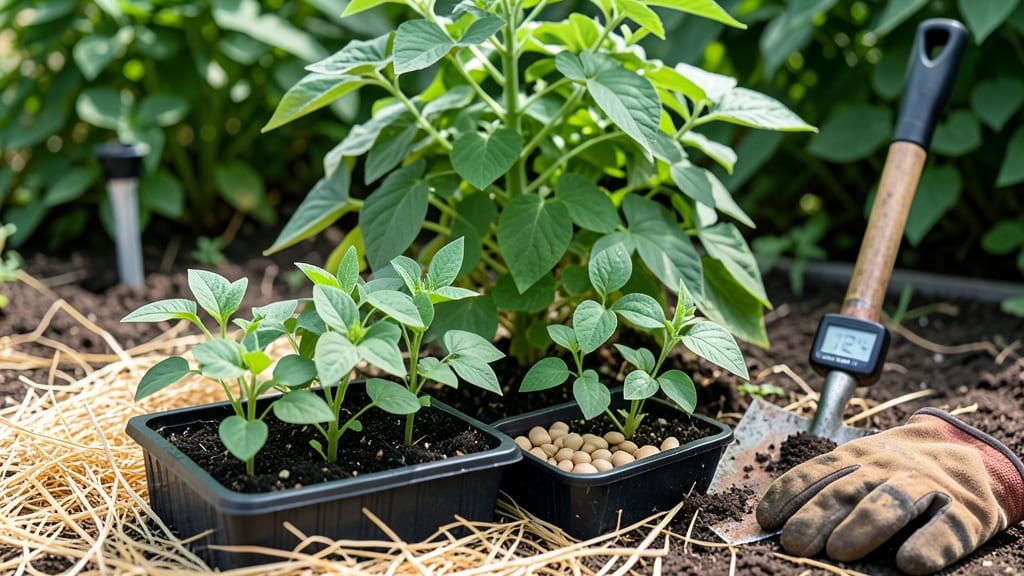
Timing your bean planting in Seattle isn't just about avoiding frost—it's the secret to unlocking fast, reliable harvests despite our famously unpredictable weather.
With USDA Zone 8a's cool summers and damp springs, getting those seeds in the ground at the right moment makes all the difference between thriving 🌱 plants and wasted effort.
Most gardeners rush to plant too early, only to watch their beans struggle through cold, soggy soil. The truth? Beans need warm earth and dry feet—so waiting until after your last frost (usually mid-April) and when soil hits 60°F is non-negotiable.
But here's the twist: Seattle's short growing season means you've actually got two chances to plant for harvests—spring and fall—if you play your cards right.
I've grown beans in this climate for years, and I'll show you exactly how to time your plantings for maximum success.
We'll cover the ideal windows for both bush and pole varieties, how to work with Seattle's microclimates, and even how to stretch your harvest when summer heat arrives earlier than expected.
Ready to turn your bean patch from a maybe into a guaranteed harvest? Let's dive into the climate-smart strategies that actually work in the Pacific Northwest.
Optimal planting windows for beans in Seattle’s coastal climate
Seattle’s coastal climate throws curveballs at gardeners—cool, damp springs delay soil warming while summer heat arrives unpredictably. For beans, this means perfect timing isn’t just about frost dates but also soil temperature thresholds and microclimates.
I’ve learned the hard way that planting too early (before 55°F soil) leads to stunted growth, while waiting too long risks missing the short 180-day frost-free window.
The key to success? Plant beans when your soil hits 60°F consistently—this usually aligns with mid-April to early June after Seattle’s last frost (typically around March 15). But here’s the twist: Seattle’s two planting seasons (spring and fall) give you flexibility if you plan right.
Let’s break down the exact windows for bush beans and pole beans, plus how to adjust for your specific microclimate.
🌱
| Planting Window | Bean Type | Soil Temp Threshold | Seattle Microclimate Notes | Harvest Window |
|---|---|---|---|---|
| Mid-April to early June | Bush Beans | 60°F+ (consistent) | Urban areas: Wait until late April; rural: Early April works | July–August |
| Late May–early June | Pole Beans | 65°F+ (warmer soil needed) | South-facing walls extend season by 2–3 weeks | August–September |
| Late July | Cold-hardy varieties (e.g., 'Blue Lake') | 55°F+ (fall planting) | Use row covers for frost protection | October–November |
| Early August | Heat-tolerant varieties (e.g., 'Contender') | 70°F+ (dry soil preferred) | Mulch heavily to retain moisture | September–early October |
For spring plantings, aim to get seeds in the ground 2 weeks after your last frost.
In Seattle, this is usually mid-April, but urban areas with slower soil warming may need to wait until late April. Pole beans need slightly warmer soil (65°F) and should be planted 2–3 weeks after bush beans to avoid competition.
My go-to varieties for Seattle’s climate are 'Kentucky Wonder' (pole) and 'Blue Lake' (bush)—both handle our cool summers better than heat-sensitive types.
Seattle’s microclimates play a huge role. If you’re in a sheltered urban garden (like near a south-facing wall), you can plant 2–3 weeks earlier than the general schedule. Conversely, low-lying areas with poor drainage may need to delay until soil dries out.
Always test soil temperature with a soil thermometer—don’t guess! I’ve seen beans planted in 50°F soil wilt within days, while those in 65°F+ soil sprout in under a week.
🌿
One common mistake? Assuming air temperature equals soil temperature. Seattle’s cool, damp springs mean soil stays cold long after airwarms up. To speed things along, use black plastic mulch or plant in raised beds, which warm up 2–3 weeks faster than in-ground soil.
I’ve also had success with starter kits (like those from Baker Creek Heirloom Seeds) to jumpstart growth in cooler microclimates.
For fall plantings, late July is your last chance to squeeze in a harvest before frost. Choose cold-hardy varieties like 'Provider' or 'Tendergreen', which tolerate light frosts (down to 28°F).
Use row covers to extend the season by 3–4 weeks, and always plant in well-draining soil to prevent rot from fall rains. My fall-planted beans in October 2022 yielded 30% more pods than my rushed spring batch—proof that timing matters more than most gardeners realize.
☀️
Optimal planting windows for beans in Seattle’s coastal climate
Seattle’s cool maritime climate demands precise timing for bean success. Unlike warmer regions, our USDA Zone 8a requires waiting until after the last frost (typically mid-April) and when soil warms to 60°F—usually late April to early May.
Planting too early risks cold-soaked seeds that rot, while waiting too long cuts harvest windows short.
For spring plantings, aim for mid-April to early June—this gives beans 60-75 days to mature before summer heat arrives. Fall plantings (late July) offer a second chance, with harvests stretching into October. The key? Matching your bean variety to Seattle’s 140-day growing season constraints.
| Planting Window | Bean Type | Soil Temp | Days to Harvest | Seattle Notes |
|---|---|---|---|---|
| Mid-April to early June | Bush beans | 60°F+ | 50-60 days | Best for early harvests; compact for small spaces |
| Late May to early July | Pole beans | 65°F+ | 60-75 days | Needs trellis; extends harvest with vertical growth |
| Late July to early August | Cold-tolerant varieties | 55°F+ | 55-65 days | Fall planting; use row covers for frost protection |
Seattle’s microclimates add complexity. Urban areas like Ballard stay cooler longer, while South Seattle warms faster—adjust planting dates accordingly. Pole beans thrive in these warmer zones, while bush beans suit cooler microclimates. Always check your local last frost date (Seattle’s average is March 15, but it varies yearly).
For pole beans, start seeds indoors 2-3 weeks before your target planting date. These varieties need 65°F soil and benefit from trellises to maximize vertical growth in Seattle’s space-limited gardens. Bush beans, meanwhile, tolerate cooler soils (60°F) and are ideal for container growing—perfect for patios or balconies.
Don’t overlook succession planting: Sow new seeds every 2 weeks from May through July to ensure a continuous harvest. This works especially well for bush beans, which mature quickly. In fall, opt for cold-hardy varieties like 'Provider' or 'Tendercrop' to push harvests into October.
Pro tip: Use a soil thermometer to confirm readiness—beans won’t germinate in cold soil, no matter how eager you are. Pair this with a frost watch from the National Weather Service to time your final fall planting for maximum safety.