
Plants
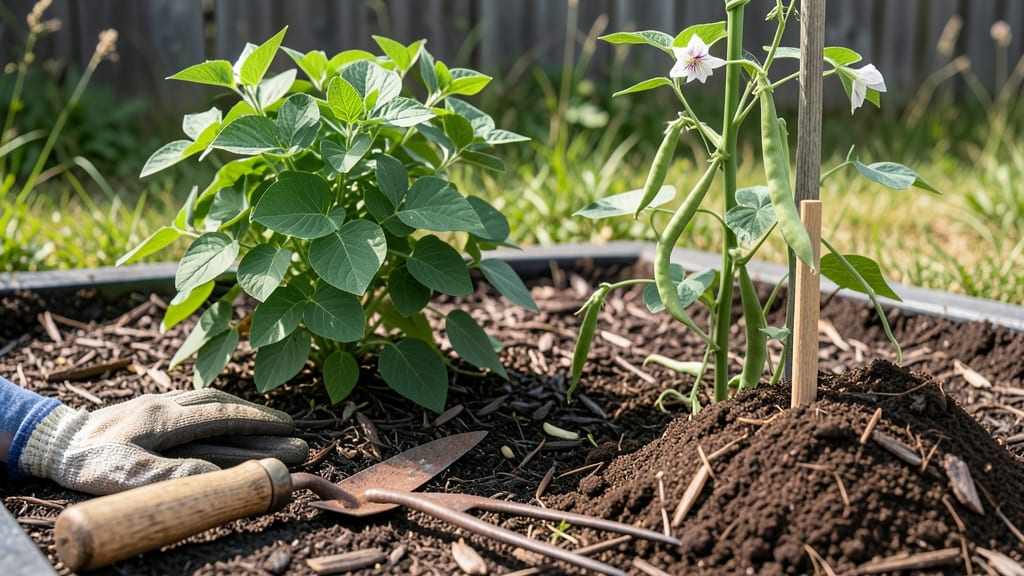
Timing your beans 🌱 planting in California can mean the difference between a thriving garden and a sad, wilted failure—especially when coastal fog clashes with inland heat. The wrong window might leave your plants struggling, while the perfect moment unlocks a harvest that tastes like summer.
With USDA zones 9a-11 and microclimates that range from foggy San Francisco to scorching desert valleys, knowing when to plant isn’t just about the calendar—it’s about understanding your local frost-free dates and soil temps.
Whether you’re growing bush beans for quick snacks or pole beans for a towering harvest, getting the timing right is the key to success.
I’ve grown beans across California’s diverse regions, and I’ll show you exactly when to plant in your specific area—whether you’re in the cool coastal hills or the hot Central Valley.
Plus, I’ll share pro tips to extend your growing season and avoid common mistakes that kill bean plants before they even get started.
Ready to grow beans that thrive? Let’s dive into the exact planting windows, soil prep, and care tricks that’ll turn your garden into a bean bonanza—no matter where you are in the Golden State.
California bean planting calendar by region: coastal vs desert vs valley timing
California’s diverse microclimates create unique challenges for bean growers. Coastal areas like San Francisco enjoy mild winters, while inland valleys face hot summers and occasional frosts. Understanding your USDA zone (9a-11) and last frost dates is critical—beans hate cold soil and won’t germinate below 60°F.
Let’s break down the optimal planting windows for each region to maximize your harvest.
For coastal California (e.g., San Francisco Bay Area), the growing season stretches year-round, but spring planting (March–April) yields the best results. Inland areas like the Central Valley should wait until April–May when soil warms consistently.
Southern California’s desert regions (e.g., Palm Springs) can plant as early as February, while high-altitude zones (e.g., Sierra foothills) may need to delay until May to avoid late frosts.
🌱
In coastal regions, where winters are mild, you can even plant fall beans (late summer) for a winter harvest. For example, in Santa Barbara, September plantings yield beans by December.
Meanwhile, inland valleys like Sacramento must wait until soil warms to 70°F—typically mid-April—to avoid poor germination.
🌡️
Use a soil thermometer to confirm readiness—beans need consistent warmth. In high-altitude areas (e.g., Lake Tahoe), delay planting until June to escape late frosts. For pole beans, which take longer to mature, start 2 weeks earlier than bush beans.
And remember: lima beans prefer warmer soil (80°F+) and should be planted after the last frost in inland zones.
Pro tip: Succession plant every 2 weeks for a continuous harvest. In Southern California, this means planting February, March, and April for beans from May through July. In cooler coastal areas, stretch your season with row covers to protect late plantings from unexpected chills.
☀️
California bean planting calendar by region: coastal vs desert vs valley timing
California’s bean planting windows vary wildly from one region to another, thanks to our microclimates. Coastal areas like San Francisco and Santa Barbara enjoy mild winters, while inland valleys like Sacramento and Bakersfield can experience sudden frost.
Getting the timing right means the difference between a bountiful harvest and struggling plants.
For coastal regions (USDA zones 10a-11), you can plant bush beans as early as February, while pole beans thrive when planted in March or April. In contrast, inland valleys (USDA zones 9a-10a) should wait until April or May to avoid late frosts that can devastate tender seedlings.
Here’s the breakdown of ideal planting times based on California’s most common regions, including soil temperature and frost-free dates to ensure your beans get off to the right start:
| Region | USDA Zone | Best Planting Window | Soil Temp for Germination | Frost-Free Date | Notes |
|---|---|---|---|---|---|
| Northern Coastal (San Francisco Bay Area) | 10a-11 | February–March (bush), March–April (pole) | 60–65°F | None (year-round growing) | Cooler temps slow growth; use row covers for early starts. |
| Central Coast (Santa Barbara) | 9b-10a | March–April (all types) | 65–70°F | December 1–January 15 (rare frost) | Wait until soil warms to avoid fungal issues. |
| Southern California (Los Angeles/San Diego) | 10a-11 | March–May (spring) or September–October (fall) | 60–75°F | None (year-round potential) | Fall planting works well for cooler weather harvests. |
| Inland Valleys (Central Valley/Sacramento) | 9a-10a | April–May (after last frost) | 70–75°F | November 15–December 15 (first frost risk) | Hot summers mean beans need afternoon shade to prevent bolting. |
| Desert (Palm Springs/Coachella) | 10b-11 | September–October (fall) or March (spring) | 75–80°F | None (extreme heat) | Use shade cloth to protect from intense sun; water deeply. |
If you’re in a high-altitude area like the Sierra foothills, adjust your planting by 2–4 weeks later than inland valleys, as cooler temps delay germination. For example, if the Central Valley plants in April, you might wait until May.
Pro tip: Use a soil thermometer to confirm your garden’s temperature—beans won’t sprout until the soil reaches at least 60°F. In coastal areas, this might happen as early as February, while inland valleys often need to wait until May for consistent warmth.
Once you’ve picked your planting window, focus on well-draining soil and full sun (6+ hours daily) to give your beans the best start. With the right timing, you’ll be harvesting fresh, crisp pods in just 60–75 days—no matter where you garden in California!