
Plants
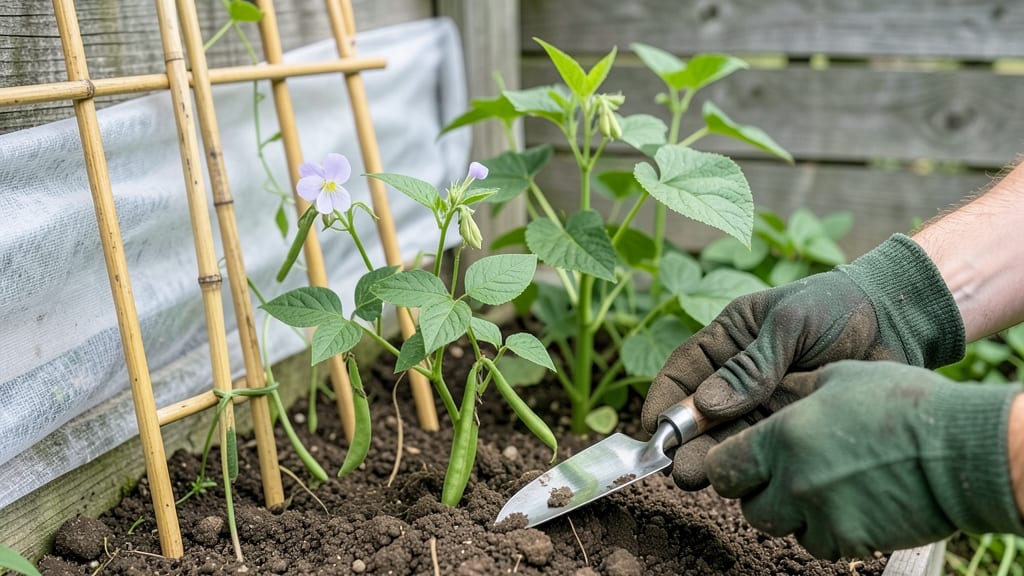
Timing your bean planting in Ontario isn't just about checking a calendar—it's about reading the soil and dodging those sneaky late frosts that can wipe out your 🌱 harvest before it starts.
If you've ever watched your bean seeds sprout only to wither under a surprise frost, you know how critical the right window is.
The difference between a bumper crop and wasted effort often comes down to waiting for soil temperatures to hit that sweet spot—15°C (59°F)—and knowing when your region's last frost has truly passed.
I’ve grown beans in Ontario’s 5b-6a zones for years, and let me tell you: planting too early means struggling with cold soil, while waiting too long cuts your harvest short. The best yields come from a strategy that balances variety-specific timing with your local microclimate.
In this guide, I’ll walk you through exactly when to plant—whether you’re growing bush beans, pole beans, or heirloom varieties—and how to prep your soil for success. No more guesswork, just better beans from seed to table.
Ontario bean planting timeline: frost-free dates by region
Ontario’s diverse climate means your bean planting window can vary by hundreds of miles. In Southern Ontario, where cities like Toronto and London thrive, you can start sowing beans as early as mid-May, while Northern Ontario gardeners in regions like Sault Ste.
Marie may need to wait until early June. The key is aligning your planting with your last frost date and ensuring soil warmth—not just air temperature.
Beans are sensitive to frost, so planting too early can stunt growth or kill seedlings outright. Even a light frost after germination can leave your plants wilting and stunted.
To avoid this, always check your local frost-free date—typically mid-May for Southern Ontario and late May to early June for Northern Ontario. Use resources like the Canada Post Plant Hardiness Map or your local agricultural extension office for precise guidance.
Here’s a quick breakdown of Ontario’s three main regions and their ideal planting windows. Remember, these are general guidelines—always confirm with your local weather forecast before planting.
| Region | Last Frost Date | Ideal Planting Window | Soil Temp Requirement | Notes |
|---|---|---|---|---|
| Southern Ontario | Mid-May | Late April (greenhouse) to mid-May (outdoor) | 10°C+ (50°F+) | Longer growing season; can plant earlier with row covers. |
| Central Ontario | Late May | Early to mid-May (with protection) | 12°C+ (54°F+) | Moderate climate; use black plastic mulch to warm soil faster. |
| Northern Ontario | Early June | Early to mid-June | 15°C+ (59°F+) | Shorter season; choose fast-maturing varieties like Kentucky Wonder. |
If you’re in a transitional zone—like the Golden Horseshoe or Kitchener-Waterloo area—you might experience unpredictable late frosts. To hedge your bets, use row covers or cold frames to extend your planting window by 2-3 weeks.
These tools create a microclimate that protects seedlings from unexpected chilly nights.
Another trick for Southern Ontario gardeners is to start beans indoors 4-6 weeks before your last frost date. Use biodegradable pots so you can transplant seedlings directly into the garden without disturbing their roots. This method is especially useful for pole beans, which take longer to establish.
For Northern Ontario, focus on fast-maturing varieties like Contender or Blue Lake, which can go from seed to harvest in as little as 50 days. Planting these varieties in early June ensures you’ll have a harvest before the first frost hits in mid-October.
Succession planting—sowing seeds every 2 weeks—can also extend your harvest window.
Don’t forget to monitor your local weather closely in the weeks leading up to planting. Apps like Weather Network or Old Farmer’s Almanac provide 10-day forecasts that can help you time your planting perfectly.
Pay attention to soil temperature trends—even if the air feels warm, cold soil can delay germination.
Once you’ve planted, keep an eye out for early signs of growth, like the first tiny leaves breaking through the soil. This is your cue that your beans are on their way!
With the right timing, you’ll be enjoying a bountiful harvest of fresh, homegrown beans by mid-summer. 🌱
Soil temperature check: when beans actually need to go in
Beans are warm-season crops that refuse to germinate in cold soil—no matter how sunny it is outside. The magic number for bean planting is 15°C (59°F) soil temperature, not air temperature.
I’ve seen gardeners plant beans in May when the air was warm, only to watch their seeds rot in 5°C (41°F) soil. Don’t make that mistake!
Cold soil slows germination, making beans vulnerable to soil-borne diseases and pests. The key is waiting until your garden soil consistently stays above 15°C (59°F) during the day. In Ontario’s 5b-6a zones, this typically happens in mid-to-late May, but your exact timing depends on microclimate and soil type.
Here’s how I test soil temperature before planting: Stick a soil thermometer 2-3 inches deep (where seeds will be) for 3 consecutive days. If it’s consistently 15°C+, it’s time to plant.
Pro tip: Dark, moist soil warms up faster than dry or sandy soil—so add compost or mulch to help retain heat.
- Poor germination (seeds rot instead of sprouting)
- Leggy, weak seedlings (stretching toward light)
- Fungal diseases (like damping-off)
Many Ontario gardeners rely on air temperature alone, but this is a common mistake. A warm May day can mask cold soil—especially in Northern Ontario or shaded areas.
For example, in Toronto (Zone 6a), I’ve seen air temps hit 20°C while soil stayed at 10°C. Always check the soil, not just the forecast!
If you’re eager to start early, consider using black plastic mulch or row covers to warm the soil faster. These methods can shave off 1-2 weeks of waiting time.
Just remove covers once beans emerge to prevent overheating. For container growers, use heat mats or plant in black pots to accelerate warming.
One more tip: Avoid planting beans in low-lying areas where cold air pools. Hilltops or raised beds warm up 2-3 days earlier than valleys. If you’re unsure, plant a test row a week before your target date—if the soil’s ready, great!
If not, you’ve gained valuable time without losing your entire crop.