
Plants
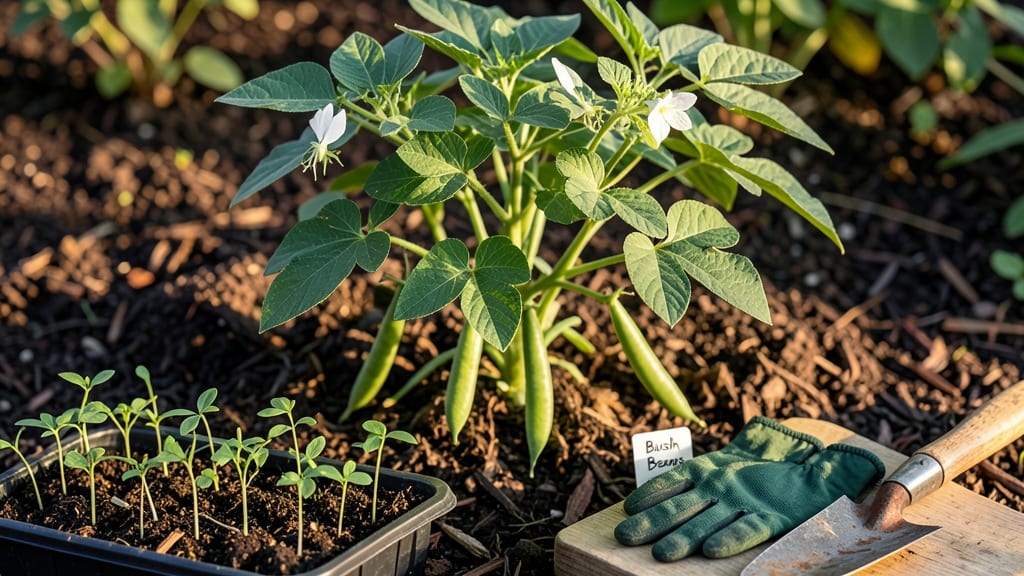
When to plant beans in Kentucky at the right time means the difference between a thriving garden and a disappointing harvest. Whether you're growing bush beans for quick snacks or pole beans for a summer-long bounty, timing your planting to match Kentucky’s USDA Zones 6a-7a is key to success.
Most Kentucky gardeners plant their beans between April 15 and June 1 for spring crops, or again from July 15 to August 15 for a late-summer harvest.
But here's the catch: those dates aren't set in stone—they depend on when your soil warms up to at least 60°F and whether you're in Northern Kentucky's cooler microclimates or Southern Kentucky's balmier stretches.
I'll walk you through exactly how to read your local frost risk map, choose the right varieties for your region, and even extend your growing season with simple tricks. No more guessing games—just a foolproof plan to turn your Kentucky garden into a bean-producing powerhouse.
From pre-sprouting tips to companion planting that keeps pests away, you'll learn all the insider secrets that make Kentucky gardeners so proud of their harvests. Let's get those seeds in the ground at the perfect moment!
Kentucky bean planting calendar: soil temperature & frost-free dates
Kentucky’s USDA Zones 6a-7a create a unique challenge for bean growers—cool springs and warm summers demand precise timing. The key to success? Planting when soil temperatures hit 55°F+ and frost risk drops below 10%.
Northern Kentucky (like Louisville) typically waits until April 15, while Southern Kentucky (Bowling Green) can start by March 30.
Beans are warm-season crops, meaning they won’t germinate in cold soil. If planted too early, seeds rot; too late, and summer heat arrives before harvest. My rule of thumb: Wait until soil reaches 60°F (15°C) at 2 inches deep—this ensures consistent germination and strong starts.
Here’s how Kentucky’s regional frost dates break down for bean planting:
| Region | Avg. Last Frost | Ideal Planting Window | Soil Temp. Trigger |
|---|---|---|---|
| Northern KY (Louisville, Lexington) | April 15 | April 20 - May 15 | 60°F+ |
| Central KY (Frankfort, Bowling Green) | April 1 | March 30 - April 20 | 55°F+ |
| Southern KY (Paducah) | March 15 | March 20 - April 10 | 58°F+ |
| Summer Planting (All Regions) | N/A | July 15 - August 15 | 65°F+ |
For spring planting, aim to sow seeds 2-3 weeks after your last frost date. This gives young plants time to establish roots before summer heat arrives. In Kentucky, that’s typically mid-April to early May for most regions.
Pro tip: Use a soil thermometer—it’s the only way to know for sure when conditions are right.
Don’t overlook summer planting! Kentucky’s long, hot summers allow for a second crop. Plant heat-tolerant varieties like ‘Rattlesnake’ beans or ‘Cowpea’ in mid-July for a late-season harvest. These varieties thrive in 85°F+ temperatures and produce well into October.
If you’re in Zone 6a (northern Kentucky), consider starter plants instead of seeds. Seedlings from local nurseries (like Kentucky Nursery) give you a 2-week head start and reduce frost risk. Just harden them off for 5-7 days before transplanting.
For pole beans, which take longer to mature, start seeds indoors 4-6 weeks before your last frost. Use biodegradable pots to avoid root disturbance when transplanting. Bush beans, on the other hand, can go straight into the garden once soil warms up—no need for indoor starts.
Kentucky’s clay-heavy soils can cause drainage issues, so amend with compost or aged manure before planting. Aim for a pH of 6.0-7.0—Kentucky’s native soil often tests too acidic (5.5 or lower). A simple lime application in fall will adjust pH for next year’s planting.
Remember: Succession planting is your secret weapon. Sow new seeds every 2 weeks from April through July to ensure a continuous harvest. This works especially well for bush beans, which mature quickly (50-60 days to harvest).
🌱
How to extend Kentucky’s bean growing season for bigger harvests
Kentucky’s short growing season can feel like a race against time for bean lovers, but with the right strategies, you can stretch your harvest from early summer all the way to fall.
I’ve learned that successive plantings, heat-tolerant varieties, and simple tools like row covers can turn your garden into a bean-producing machine—even in our unpredictable climate.
The key is understanding your local microclimate. Northern Kentucky’s cooler springs (like Lexington) may need a later start, while Southern Kentucky’s warmer zones (like Bowling Green) can handle earlier plantings.
For both regions, the secret weapon is succession planting—staggering your seeds every 2-3 weeks to ensure a continuous harvest.
Here’s my proven 4-step plan to maximize your bean yield, no matter where you garden in Kentucky:
- 1 Start with cold-hardy varieties like ‘Contender’ or ‘Blue Lake’ for early spring plantings. These varieties tolerate cooler soils (55°F+) and give you a head start before summer heat arrives.
- 2 Use row covers for a 2-3 week jump on the season. Lightweight fabric raises soil temperatures by 5-8°F and protects tender seedlings from late frosts. Remove covers once plants are established (about 3-4 inches tall).
- 3 Plant heat-tolerant varieties like ‘Black Valentine’ or ‘Kentucky Wonder’ in late July for a fall harvest. These varieties thrive in 85°F+ temperatures and produce well until the first frost.
- 4 Try container gardening for small spaces or urban gardens. Dwarf varieties like ‘Blue Lake Bush’ grow well in 5-gallon pots and can be moved to sunnier spots if needed. This flexibility lets you adjust planting times based on weather forecasts.
Don’t forget about companion planting—pairing beans with corn and squash (the "Three Sisters" method) not only saves space but also improves soil health. The corn provides shade, the squash suppresses weeds, and the beans fix nitrogen in Kentucky’s often-nutrient-poor clay soil.
For late-summer plantings, focus on drought-tolerant varieties like ‘Rattlesnake’ beans. They handle Kentucky’s occasional dry spells better than most and keep producing pods even when temperatures soar. Water deeply in the morning to encourage strong root growth, and mulch with straw to retain moisture.
With these strategies, I’ve extended my bean harvest by 6-8 weeks in my Northern Kentucky garden—turning a 2-month harvest into a 4-month feast. The best part? These methods work for both bush beans and pole beans, so you can mix and match varieties to your heart’s content.