
Planting
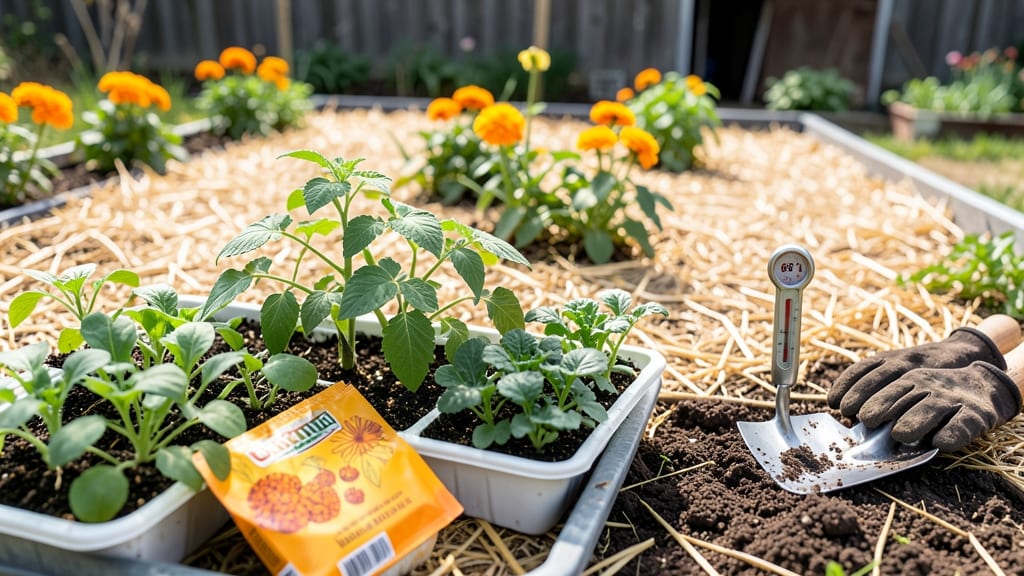
Mastering when to plant a garden in Kentucky isn’t just about throwing seeds into the dirt—it’s about beating unpredictable frost dates that can turn your hard work into a sad, frozen memory.
With USDA zones 6a-7a and 165 frost-free days, knowing when to plant your 🌱 General Garden makes all the difference between a bountiful harvest and a disappointing flop.
If you’ve ever wondered why your tomatoes bolted or your lettuce wilted in the heat, the answer likely lies in planting too early or too late.
Kentucky’s climate demands precision—cool-season crops like spinach and peas need to hit the soil 4-6 weeks before the last frost (mid-April), while warm-season favorites like peppers and cucumbers should wait until 2-3 weeks after that date. Get it wrong, and you’re playing garden roulette.
Here’s the good news: with the right timing, you can stretch your growing season from spring to fall, maximizing every square foot of your plot. I’ll break down the exact windows for Kentucky’s microclimates—whether you’re in the Bluegrass or the Pennyrile region—so you can plan with confidence.
No more guessing games, just zero-frost success.
Ready to turn your Kentucky garden into a year-round powerhouse? Let’s dive into the seasonal deadlines that’ll keep your plants thriving and your harvests plentiful—no matter what Mother Nature throws your way.
Kentucky garden planting calendar by season: exact dates for Zone 5b & 6a
Kentucky’s Zone 5b and 6a climate means your planting schedule must balance last frost dates (typically mid-April) with heat-tolerant crops that thrive after the frost-free window. The key is knowing when to start seeds indoors, transplant seedlings, and direct-sow outdoors to maximize your 165 frost-free days.
Let’s break it down by season so you can plan with confidence.
For cool-season crops like lettuce, spinach, and peas, aim to plant 4-6 weeks before your last frost. In Kentucky, that’s usually late February to early March for indoor starts, with outdoor planting beginning by March 15.
Warm-season crops—tomatoes, peppers, and cucumbers—need to wait until 2-3 weeks after your last frost, which is typically mid-to-late April.
Fall planting is equally critical. Start warm-season crops like sweet potatoes in mid-August for a late harvest, while cool-season crops like kale and carrots can handle light frosts and should be sown by mid-September. The goal is to harvest before the first frost, usually around mid-October.
Here’s a quick reference for Kentucky’s planting windows, tailored to your zone:
Pro tip: Kentucky’s microclimates can shift planting dates by 1-2 weeks. Higher elevations (like the Appalachian region) may experience later frosts, while western Kentucky tends to warm up faster. Always check your local USDA Plant Hardiness Zone map for precision.
For container gardening, you can extend your season by 2-3 weeks in both spring and fall
How to adjust planting times for Kentucky’s microclimates and frost risks
Kentucky’s microclimates can throw off even the most careful gardeners—what works in Lexington’s Zone 6a might fail in Paducah’s Zone 7a. Elevation, proximity to rivers, and urban heat islands create 1-2 week differences in frost dates.
For example, northern Kentucky’s last frost often hits April 15-20, while southern regions can push it to April 25-30. Without adjustments, you risk bolting lettuce or frozen tomatoes.
To hedge your bets, I recommend planting in stages—start with cold-hardy crops like peas and spinach 4-6 weeks before your local last frost date, then add heat-lovers like peppers and eggplants 2-3 weeks after.
Use Kentucky State University Extension’s frost maps to pinpoint your exact zone. For instance, Bowling Green gardeners can safely plant warm-season crops by May 1, while Louisville should wait until May 10.
🌱Row covers and cold frames are my secret weapons for extending seasons. A simple floating row cover can push your spring planting window 2-3 weeks earlier and delay fall harvests by 4-6 weeks.
For example, I’ve grown broccoli in March under covers, then transplanted it outdoors in April—resulting in a harvest by June instead of July.
⚠️ Frost Risk Warning
Never plant warm-season crops before your last frost date—even if soil feels warm. Kentucky’s late spring frosts (like the 2018 April freeze) can kill young seedlings overnight. Use hardening-off techniques for transplants: gradually expose them to outdoor conditions 7-10 days before planting to avoid shock.
Pro Tip: Monitor the National Weather Service’s Louisville or Lexington forecasts for 32°F alerts. Set up a minimum-maximum thermometer in your garden to track microclimate shifts.
For heat-sensitive crops like basil and cucumbers, succession planting is key. Instead of one big planting, sow every 2 weeks from May to July to ensure a continuous harvest. I’ve had cucumbers thrive in July plantings while earlier ones bolted by June.
Shade cloth (30-50%) can also lower soil temps by 10-15°F, protecting young plants from late spring heatwaves.
Fall planting requires even more precision. Aim to sow cool-season crops like kale and carrots by August 15 in northern Kentucky or September 1 in the south. These plants need 60-80 days to mature before first frost (mid-October).
Use black plastic mulch to warm soil early in spring or straw mulch in fall to insulate roots.
🌿Elevation matters: Gardens in Appalachian Kentucky (e.g., Corbin) experience cooler temps and later frost dates than Western Kentucky (e.g., Owensboro). If you’re unsure, ask local farmers or check Purdue Extension’s frost data. Remember: a 1,000-foot elevation gain can add 3-5°F of chill to your microclimate.