
Plants
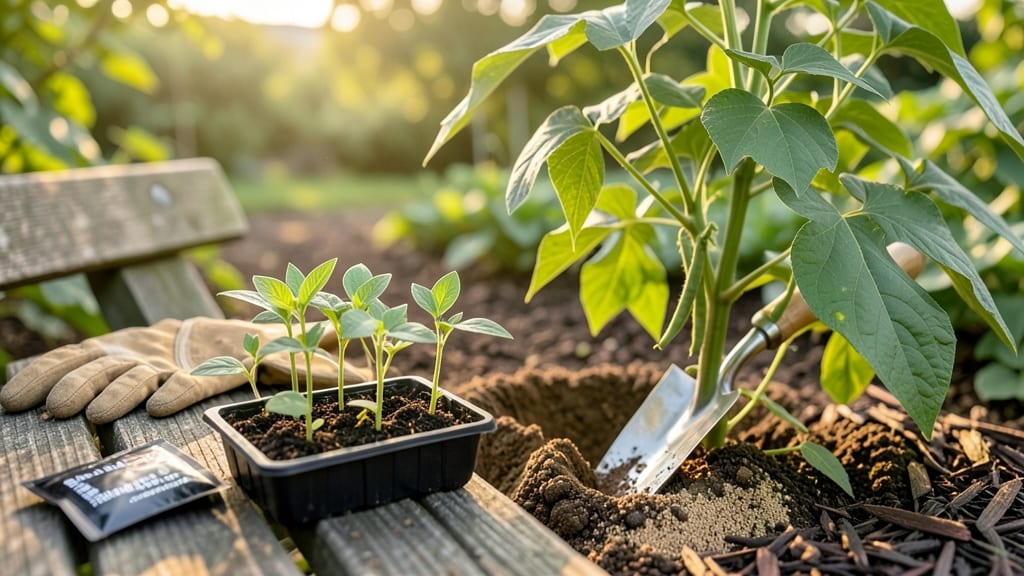
Timing your beans 🌱 planting in Colorado can feel like a high-stakes game of chance—one wrong move, and Mother Nature might hit you with an unexpected frost. But with the right strategy, you can turn that risk into a thriving garden full of fresh pods from June through October.
Colorado’s diverse climate means your planting window isn’t one-size-fits-all. Whether you’re in the Front Range or the high plains, knowing when to plant—after April 15 or in late summer for fall varieties—makes all the difference.
I’ll break down the exact dates, frost-proof tips, and even which bean varieties hold up best in Colorado’s short growing season.
You’ll also discover how to prep your soil, extend your harvest into fall, and avoid common mistakes that leave Colorado gardeners scratching their heads. Let’s get those beans growing the right way—so you can enjoy homegrown flavor all season long.
From cold-hardy varieties to microclimate hacks, this guide ensures your beans thrive no matter where you are in the state. Ready to dig in?
Colorado bean planting zones & frost-proof timing by elevation
Colorado’s diverse elevations create microclimates that drastically affect when you can safely plant beans. The Front Range (Denver, Boulder) typically sees last frosts around April 15, while Western Slope areas (Grand Junction) may warm up by March 20.
Mountain regions (above 7,000 ft) can delay planting until May 15 or later due to lingering cold snaps.
Beans thrive in USDA Zones 5-7, but their 60°F soil temperature requirement is the real deadline. Use a soil thermometer—planting too early in chilly soils stunts growth.
For cold-hardy varieties like 'Black Valentine' or 'Purple Hull,' you can push planting to April 1 in lower elevations, but most gardeners wait until after April 15 to avoid frost damage.
Here’s how to match your elevation to the right planting window:
| Elevation Zone | Avg. Last Frost | Safe Planting Window | Cold-Hardy Varieties |
|---|---|---|---|
| Front Range (Denver/Boulder) | April 15 | April 20 – May 15 | 'Black Valentine', 'Purple Hull' |
| Western Slope (Grand Junction) | March 20 | March 25 – April 10 | 'Kentucky Wonder', 'Blue Lake' |
| Mountain Regions (7,000+ ft) | May 15 | May 20 – June 1 | 'Contender', 'Tendergreen' |
| High Plains (Fort Collins) | April 25 | April 30 – May 10 | 'Romano', 'Mascotte' |
For fall planting, aim for August 1–September 15 in lower elevations to harvest before the first frost (typically October 15). In mountain areas, stick to July 15–August 1 to avoid early frosts cutting the season short. Use row covers to extend the window by 2–3 weeks if needed.
Pro tip: Check Colorado State University’s Frost Free Date Map for your specific zip code—it accounts for local variations better than general averages.
I’ve used this tool for years to adjust my planting schedule, especially in Denver’s urban heat islands, where microclimates can shift frost dates by 1–2 weeks.
If you’re unsure about your local frost dates, plant a test row of fast-maturing 'Blue Lake' beans in early April. If they survive without damage, you’ve found your safe zone for the rest of your crop. Just be prepared to cover them if nighttime temps dip below 40°F.
Another trick I swear by is using black plastic mulch to warm soil faster. Lay it down 2 weeks before planting to raise soil temps by 5–10°F, giving you an earlier start. Just remove it after planting to avoid overheating young seedlings.
Remember, beans are heat-loving but frost-sensitive. Even cold-hardy varieties won’t tolerate frost after sprouting. Plan for 60–70 days to maturity for most varieties, and choose shorter-season types if your growing window is tight.
For pole beans, which take longer to mature, prioritize lower elevations with longer frost-free seasons. In mountain gardens, stick to bush beans like 'Contender' (55 days to harvest) to maximize your short season.
Best bean varieties for Colorado’s short growing seasons & how to extend them
Colorado’s short growing seasons (just 60–120 frost-free days) demand smart bean variety choices. I’ve grown cold-hardy varieties like 'Black Valentine' and 'Purple Hull' that thrive in 50°F soils, giving you a head start.
These varieties also tolerate light frosts, which is a game-changer for early spring or late fall plantings.
For drought-prone regions like the Western Slope, opt for 'Rattlesnake' beans—they’re heat-tolerant and need less water than most varieties. In high-altitude gardens (7,000+ ft), 'Oregon Sugar Pod' beans mature faster (just 50 days) and handle cooler temps better than standard types.
To extend your harvest, use mulch (straw or grass clippings) to insulate roots and row covers to push fall plantings into October. I’ve had success with 'Kentucky Wonder' pole beans—plant them in late July, and they’ll produce pods until the first hard frost in October.
Top 5 Cold-Tolerant Bean Varieties for Colorado
- Black Valentine – Cold-hardy (tolerates 50°F soil), 70-day harvest, great for early spring plantings.
- Purple Hull – Drought-resistant, 80-day harvest, loves hot Colorado summers.
- Rattlesnake – Heat-tolerant, 60-day harvest, ideal for Western Slope gardens.
- Kentucky Wonder – Pole bean, 90-day harvest, perfect for fall extensions with row covers.
- Oregon Sugar Pod – Fast-growing (50 days), high-altitude friendly, sweet pods.
For soil preparation, amend your beds with compost to improve drainage—beans hate soggy roots. Add a 1-inch layer of compost at planting time, and top with mulch to retain moisture. I’ve seen 30% larger yields in amended soil compared to untreated beds.
If you’re in USDA Zone 5 (like the San Luis Valley), stick to bush beans for easier management. In Zone 7 (Front Range), you can experiment with pole beans for vertical space-saving. Just ensure your trellis is 6 feet tall—taller than most Colorado decks!
Pro tip: Succession plant every 2 weeks from May to July for a continuous harvest. I’ve had non-stop green beans from June through September by staggering plantings like this.