
Plants
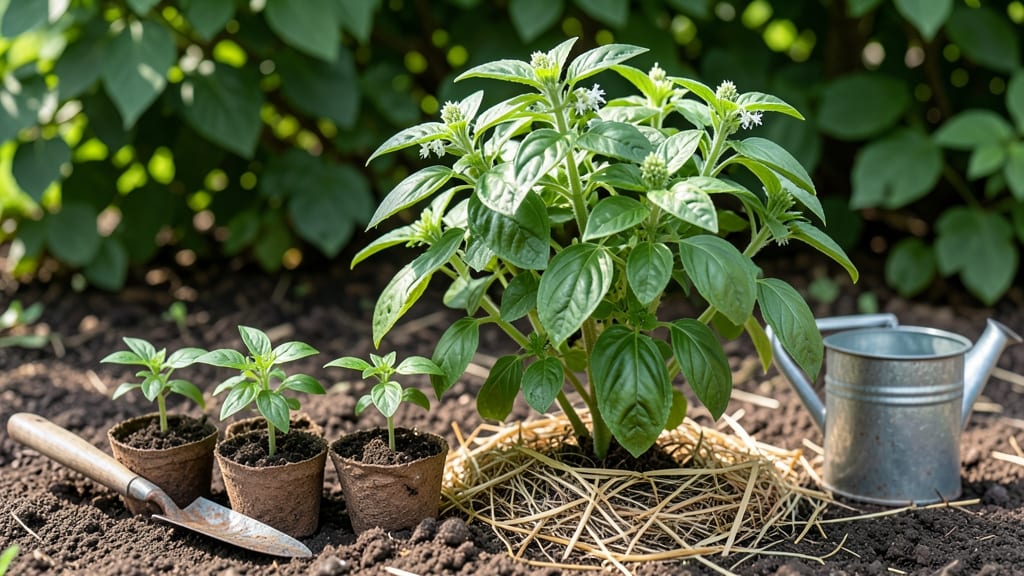
Timing your basil planting in Virginia can mean the difference between a thriving 🌿 harvest and a sad, frost-bitten disappointment. If you rush it, those tender seedlings won't survive Virginia's unpredictable spring chill - but wait too long, and you'll miss peak flavor season when the weather finally warms up.
Here's the secret: Virginia's USDA zones 6a-8a give you a narrow but critical window between April 15 and May 15 to get basil in the ground after the last frost. That's when soil temperatures hit that sweet spot of 50°F+ - warm enough to kickstart growth without risking frost damage.
But don't just take my word for it - let's break down exactly how to read your local microclimate clues.
I've learned through trial and error (and a few too many lost basil plants) that Virginia's climate isn't one-size-fits-all. Coastal areas warm up faster than the Piedmont, and mountain regions play by their own rules.
The key is knowing your specific last-frost date and preparing your soil accordingly - because once those little basil seedlings pop up, they'll grow fast when conditions are right.
What you're about to discover will help you avoid the most common mistakes Virginia gardeners make with basil. We'll cover everything from soil prep tricks to container growing hacks that work even in tight spaces.
Ready to grow basil that tastes like summer all season long? Let's get those seeds in the ground at exactly the right moment.
Virginia’s basil planting timeline: frost-free dates by Region
Virginia’s diverse climate zones mean your basil planting window can vary by hundreds of miles. Coastal areas like Norfolk enjoy earlier last-frost dates (mid-March), while mountain regions like Roanoke face late spring frosts until early May. Understanding your USDA zone (6a-8a) is key to avoiding frost damage.
Basil hates cold soil—it needs consistent temperatures above 50°F to germinate and 70°F+ soil to thrive. Planting too early risks stunted growth or death, while waiting too late cuts your harvest season short. Let’s break down the critical planting windows for Virginia’s three main regions.
🌱 Did You Know? Virginia’s last frost dates shift 1-2 weeks earlier each year due to climate change. Always check your local agricultural extension office for updated frost forecasts.
Virginia Basil Planting Guide
📍 Region | 📅 Last Frost Date | 🌡️ Soil Temp | 📅 Planting Window
| Region | Last Frost Date | Soil Temp Requirement | Ideal Planting Window | Harvest Window |
|---|---|---|---|---|
| Coastal (Zone 8a) | Mid-March | 50°F+ | April 1-15 | June-Sept |
| Piedmont (Zone 7a) | Early April | 55°F+ | April 15-May 1 | June-Aug |
| Mountains (Zone 6a) | Early May | 60°F+ | May 1-15 | July-Sept |
For Coastal Virginia, aim to plant basil seeds indoors by March 1 for transplanting outdoors after the mid-March frost. In Piedmont regions, wait until April 15 when soil warms to 55°F.
Mountain gardeners should hold off until May 1—earlier planting risks frost damage to tender leaves.
Use a soil thermometer to verify soil temperatures. Basil seeds won’t germinate below 50°F, and seedlings may stunt without warmth. If your soil is too cold, start seeds indoors under grow lights 6-8 weeks before your last frost date.
Pro tip: Test your soil before planting. Virginia’s clay-heavy soils (common in Piedmont) need amendment with compost to improve drainage. Well-draining soil prevents root rot and ensures healthy basil growth. Aim for a pH between 6.0-7.0—basil thrives in slightly acidic to neutral soil.
If you’re in Zone 8a (Coastal), you can also try a fall planting of basil! Sow seeds in late August for a harvest before frost (typically by mid-October). This second crop often produces sweeter, more flavorful leaves due to cooler fall temperatures.
Remember: Basil is a heat-lover. Once planted,
How to extend basil’s growing season in Virginia’s unpredictable spring
Virginia’s spring weather can be as unpredictable as a toddler’s mood—one day sunny and warm, the next a surprise frost. But with the right strategies, you can extend your basil’s growing season and enjoy fresh leaves long after the official planting window closes.
I’ve tested these methods in my own garden, and they’ve helped me push basil harvests into early fall.
The key is protecting tender seedlings while giving them enough warmth to thrive. Even if you plant at the perfect time, a late frost can wipe out your crop.
That’s why I recommend combining season extenders with smart planting techniques. Let’s dive into what’s worked best for me and other Virginia gardeners.
First, consider using row covers or cold frames to create a microclimate. These simple tools can add 5-10°F of warmth around your plants, protecting them from late frosts. I’ve used floating row covers in early spring to shield basil seedlings until the soil warms up consistently. Just
Adds 5-10°F warmth to soil. Use clear plastic lids or DIY wooden frames with plexiglass. Best for early spring/fall planting.
Lightweight fabric allows sunlight while blocking 90% of frost damage. Secure edges with bricks or soil. Remove when temps exceed 75°F.
Plant new basil every 2-3 weeks from April to July. Ensures continuous harvest even if early plants bolt.
Move pots to sunny spots during day, sheltered areas at night. Ideal for balconies or patios.
Add 2-3 inches of mulch to retain soil warmth. Use straw or shredded leaves—avoid fresh grass clippings.
Don’t overlook succession planting—this is my secret weapon for a never-ending basil supply. Instead of planting all your seeds at once, stagger them every 2-3 weeks from April through July.
This way, when your first batch bolts or gets leggy, you’ll already have fresh new plants ready to harvest. It’s like having a backup plan for your garden!
For container gardeners, mobility is your best friend. Move pots to warmer microclimates during the day and bring them indoors or under cover when nighttime temperatures dip. I’ve had great success with basil in 5-gallon buckets on my patio—just make sure they have drainage holes and you’re watering consistently.
Containers also let you adjust placement based on weather forecasts.
Finally, pay attention to soil temperature. Basil won’t germinate well in cold soil, no matter how many tricks you use. Invest in a soil thermometer