
Companion Plants
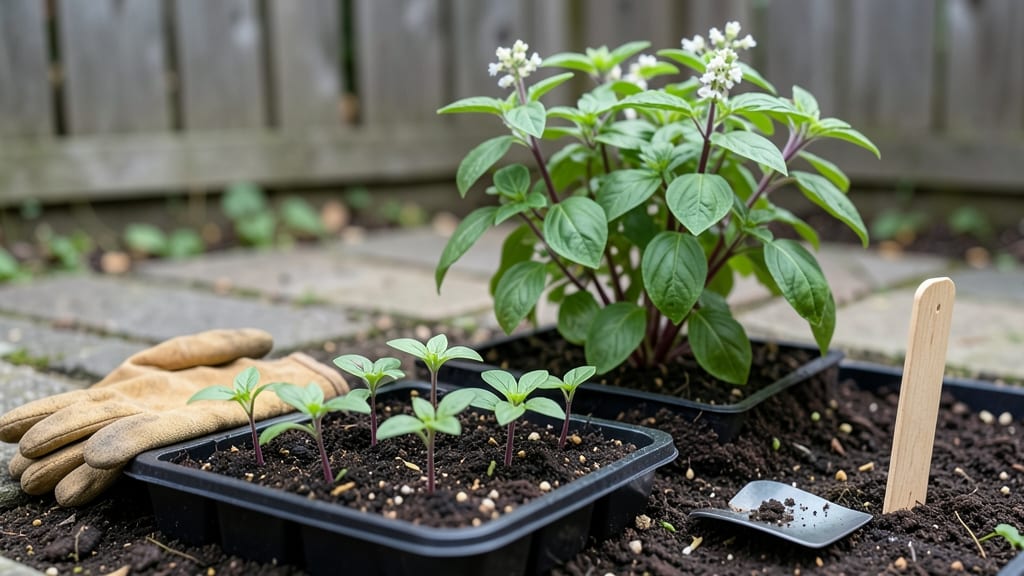
Timing your basil planting in PA just right can mean the difference between a thriving herb garden and a sad, frost-nipped disappointment. Pennsylvania’s unpredictable spring weather makes this herb tricky to get right—but with the perfect window, you’ll enjoy fresh 🌿 leaves all summer long.
Most gardeners in zones 5-7 should wait until April 15 to May 15, after the last frost date. Planting too early risks cold damage, while waiting too long might stunt your basil’s growth before summer heat arrives.
The key is balancing soil warmth and frost-free days for that fast, flavorful harvest.
Whether you’re starting seeds indoors or transplanting young plants, I’ll show you exactly how to time it right for your region. We’ll cover soil temperature checks, transplanting tips, and even ways to extend your growing season if fall frosts creep up early.
Skip the guesswork—let’s get your basil off to the best start possible with these proven strategies tailored to Pennsylvania’s climate. Your kitchen (and pesto recipes) will thank you!
Pennsylvania’s ideal basil planting window: frost dates by region
Pennsylvania’s USDA zones 5b-7a create a 2-3 week window for planting basil, depending on your microclimate. The last average frost date ranges from late April in southern PA to early May in northern regions like Erie or Scranton.
For fastest growth, aim to plant 2–3 weeks after your area’s last frost date.
Basil thrives in warm soil temperatures of 50°F (10°C) or higher. In cooler Pennsylvania valleys, like the Poconos, wait until May 1 to avoid cold-soil shock. Use a soil thermometer to confirm readiness—this simple tool prevents stunted growth from premature planting.
For direct sowing, start seeds indoors 6–8 weeks before your last frost date. This gives seedlings a 3-inch head start before transplanting. In western PA, this means mid-March starts for May planting, while eastern PA gardeners should begin late March.
Here’s how Pennsylvania’s three main regions differ in planting timing:
| Region | Last Frost Date | Ideal Planting Window | Soil Temp Check |
|---|---|---|---|
| Southern PA (Phila, Reading) | April 15–20 | April 25–May 5 | ≥50°F (10°C) |
| Central PA (Harrisburg, State College) | April 25–May 5 | May 5–15 | ≥50°F (10°C) |
| Northern PA (Erie, Scranton) | May 5–15 | May 15–30 | ≥55°F (13°C) |
Check Penn State Extension’s frost maps for your exact county—some areas like Lancaster County can plant 10 days earlier than Pittsburgh due to urban heat islands. For container growing, warm soil heats up faster, so you can plant 1–2 weeks earlier than in-ground.
If you’re transplanting seedlings, choose compact varieties like ‘Genovese’ or ‘Spicy Globe’—they tolerate transplant shock better than tall, leggy types. Harden off seedlings for 7–10 days before moving them outdoors to prevent wilting.
For slow-starting springs, like in 2023’s late frost, use black plastic mulch to warm soil 5–10°F faster. This trick lets you plant 2 weeks early without risking frost damage. Just remove mulch once plants are 4 inches tall.
Basil’s harvest window in PA runs from June through September, but late summer heat (above 90°F) can cause bolting. To extend harvests, plant a second crop in July for a fall harvest before the first frost in October.
Pro tip: Mark your planting date on a garden calendar and track growth milestones. Basil reaches harvestable size in 45–60 days, so timing matters—don’t wait too late or you’ll miss the peak flavor window.
How to extend basil’s growing season in Pennsylvania’s short summers
Pennsylvania’s short growing season (just 165 frost-free days) can feel like a race against time for basil lovers—but with the right strategies, you can stretch your harvest from June to late September. The key is starting early and protecting your plants from late frosts and heat stress.
I’ve found that fast-maturing varieties like Genovese or Spicy Globe give you the best chance, since they reach harvestable size in just 45 days. Pair that with smart timing, and you’ll enjoy fresh basil well into fall.
Here’s my proven 3-step plan to maximize your basil’s growing window in PA:
- 📅 Start indoors 6–8 weeks before your last frost date (typically mid-April). Use seed-starting trays with well-draining soil and keep under grow lights for 12–14 hours/day.
- 🌱 Transplant outdoors 2–3 weeks after your last frost (usually May 1–15). Harden off seedlings first by gradually exposing them to outdoor conditions over 7–10 days.
- 🛡️ Protect from late frosts with row covers or cloche tunnels if nights dip below 50°F. Remove covers during the day to prevent overheating.
Don’t overlook succession planting—sow a second batch every 2 weeks after your first planting to ensure a continuous supply. I’ve had success with July sowings too, as long as you use fast varieties and protect them from fall frosts with mulch.
For container growing, choose heat-tolerant varieties like Thai basil and place pots in full sun. Move containers to shadier spots during afternoon heat waves (common in PA summers) to prevent wilting.
With these tactics, I’ve extended my basil harvest by 4–6 weeks—enough to enjoy fresh leaves for pesto, salads, and teas well into autumn. The secret? Plan ahead and protect your plants at every stage.