
Plants
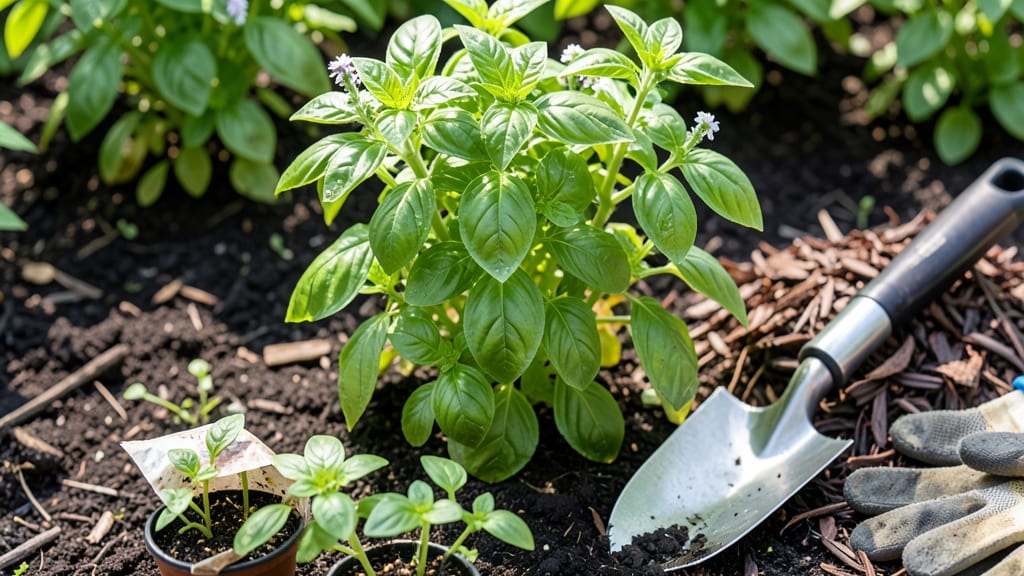
Timing your basil planting in Seattle right can mean the difference between a thriving herb garden and a sad, frost-nipped disappointment. With Seattle’s famously fickle weather—cool springs, sudden heatwaves, and early autumn chills—getting those seedlings in the ground at the perfect moment is key to success.
Most gardeners in USDA Zone 8a wait until mid-April to early June to plant basil, but that’s just the starting point. The real magic happens when you account for microclimates—whether you’re in West Seattle’s milder coastal pockets or the Eastside’s warmer inland areas.
I’ll show you exactly how to align your planting schedule with Seattle’s last frost dates and local growing conditions.
You’ll discover the best strategies for starting basil indoors versus direct sowing, plus how to extend your growing season with simple tricks like row covers and companion planting.
No more guessing—just a foolproof plan to keep your 🌿 basil flourishing from June through September, even when Seattle’s weather tries to throw you a curveball.
Ready to grow basil that’s hardier, tastier, and more productive than ever? Let’s dive into the exact dates and techniques that work for Seattle’s unique climate—so you can enjoy fresh basil all season long, no matter where you live in the city.
Seattle’s microclimates & ideal basil planting windows by zone
Seattle’s microclimates create dramatic differences in last frost dates, which directly impact when you should plant basil.
While the city averages a last frost around April 15, coastal areas like West Seattle and Bainbridge Island may see frost-free conditions a week earlier, while inland zones like the Eastside or Bellevue can be 10 days later.
Understanding these variations helps you avoid frost damage while maximizing your basil’s growth season.
For direct sowing (planting seeds outdoors), aim for mid-May in most areas, but adjust based on your specific zone. If you prefer transplanting seedlings, start them indoors in March and move them out by late April to early May.
This staggered approach ensures you’re ready to plant as soon as the risk of frost passes and soil warms to at least 50°F.
Here’s how Seattle’s key zones compare for basil planting, including ideal dates and microclimate-specific tips:
| Zone | Last Frost Avg. | Direct Sowing Window | Transplant Window | Microclimate Tip |
|---|---|---|---|---|
| West Seattle (Coastal) | April 8 | Late April - Early May | Late March - Early April (indoors) | Cooler temps delay growth; use row covers if nights dip below 45°F. |
| Eastside (Bellevue, Kirkland) | April 22 | Early May - Mid-May | Early April - Late April (indoors) | Warmer microclimate; monitor for heat stress in July. |
| U-District/Capitol Hill | April 15 | Mid-April - Early May | Late March - Early April (indoors) | Urban heat islands can extend growing season; water deeply in summer. |
| Bainbridge Island | April 5 | Late April | Late March (indoors) | Wind exposure; use windbreaks and mulch to retain heat. |
Seattle’s first frost typically arrives around October 15, but basil planted too late may struggle with cool nights in September. To push your harvest window, consider staggered planting: sow half your seeds in early May and the other half in early June.
This ensures a continuous supply of fresh basil while accounting for Seattle’s unpredictable late-summer weather.
Another critical factor is soil temperature. Basil seeds won’t germinate well in cold soil—wait until it reaches at least 50°F (test with a soil thermometer or wait until dandelions bloom, a natural indicator).
In cooler zones like West Seattle, you might need to start seeds indoors 6-8 weeks before your target transplant date to give them a head start.
For container gardening, which is popular in Seattle’s urban areas, follow the same timing but use black plastic pots to warm the soil faster. Place containers in south-facing spots and move them indoors if nighttime temperatures drop below 50°F.
This flexibility lets you adjust to your specific microclimate without risking frost damage.
Pro tip: Check the University of Washington’s AgWeatherNet for real-time frost alerts and soil temperature updates. Their Seattle-specific forecasts can help you fine-tune your planting schedule based on current conditions rather than relying on averages.
Finally, remember that heatwaves in July and August can stress basil, causing it to bolt (flower prematurely). If you’re planting late, choose heat-tolerant varieties like ‘Genovese’ or ‘Spicy Globe’, and provide afternoon shade during peak summer months.
By aligning your planting with Seattle’s microclimate zones and adjusting for soil temperature, you’ll give your basil the best possible start—setting the stage for a bountiful harvest from June through September. 🌿
How to extend your basil growing season in Seattle’s cool climate
Seattle’s cool, damp springs and early autumn frosts can cut your basil season short—but with the right strategies, you can grow this tender herb for months longer. The key is protecting young plants and staggering your planting to match Seattle’s unpredictable weather patterns.
Basil thrives in warmth and sunlight, but our USDA Zone 8a climate often delivers both too early and too late.
By using season-extending tools like row covers, cold frames, or even simple cloches, you can push your basil’s growing window from June to September—or even longer in sheltered microclimates.
Here’s how to maximize your basil’s time in Seattle’s garden, with step-by-step timing adjustments that account for our city’s unique challenges:
- 1 Start seeds indoors 6-8 weeks before your last frost date (mid-April). Use grow lights to simulate long daylight hours—basil needs 12+ hours of light daily to thrive.
- 2 Use row covers or cloches for early/late plantings. Lightweight frost blankets can raise soil temps by 5-10°F, protecting seedlings from late spring frosts (common after April 15) and early autumn chills (starting October 1).
- 3 Stagger your plantings every 2-3 weeks from mid-April to early June. This ensures a continuous harvest as older plants mature while newer ones establish—critical for Seattle’s short growing season.
- 4 Choose heat-tolerant varieties like Genovese or Purple Ruffles. These handle Seattle’s summer heatwaves (up to 90°F) better than standard basil, which can bolt prematurely in our unpredictable climate.
- 5 Plant near heat-absorbing surfaces like black containers or brick walls. This creates a mini microclimate that stays 5-8°F warmer than surrounding soil—ideal for basil’s 60-70°F soil preference.
For urban gardeners, container growing is a game-changer. Use black pots (they absorb heat) and place them on patios or rooftops where they get extra sunlight. Just ensure pots have drainage holes—Seattle’s wet springs can drown basil roots if water pools.
Pro tip: Companion plant basil with tomatoes or peppers, which also thrive in Seattle’s climate. The shared warmth from these plants can help basil mature faster and produce more leaves before autumn’s chill sets in. Just avoid planting near fennel or rue, which stunt basil’s growth.
With these techniques, you’ll enjoy fresh basil for pesto, salads, and cooking well into September—or even October—proving that Seattle’s cool climate doesn’t have to limit your herb garden’s potential. 🌿