
Plants
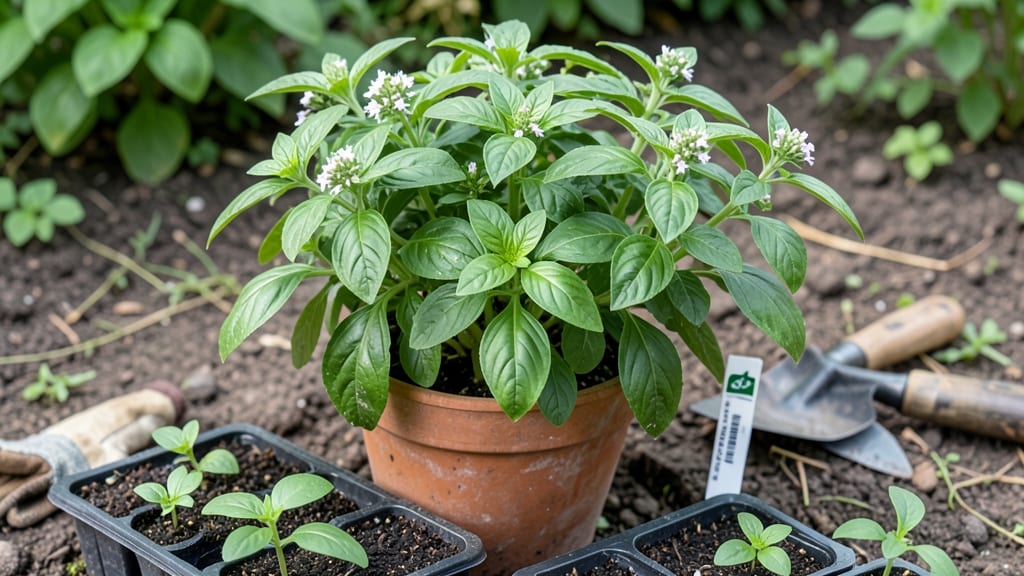
If you've ever planted basil in California and watched it bolt before producing flavorful leaves, you're not alone. The key to growing lush, productive basil here lies in understanding California's unique microclimates and heat patterns.
Unlike many plants, 🌿 basil thrives year-round in California's USDA Zone 10 (Coastal) / 9 (Inland), but timing matters more than you might think. Planting too early in cooler coastal areas or too late in inland heat can turn your herb garden into a disappointment.
I'll show you exactly when to start seeds and transplant basil for maximum growth, whether you're in San Francisco's foggy coastal zone or the hotter inland valleys. We'll cover the best months, heat-tolerant varieties, and care tips to keep your basil productive from spring through fall.
Ready to grow basil that actually tastes like it should? Let's dive into the perfect planting schedule for your California garden.
Optimal planting dates for basil in California by region
California’s diverse microclimates mean your basil planting dates should vary by region. Whether you're in coastal San Francisco, hot inland Sacramento, or the desert-like Palm Springs, timing ensures your basil thrives without bolting.
Since California rarely experiences frost, you can plant basil almost year-round—but strategic timing maximizes flavor and yield.
In coastal regions (USDA Zone 10), like Los Angeles or San Diego, cooler ocean breezes create ideal conditions. Here, you can start basil seeds indoors 6-8 weeks before your target outdoor date—typically mid-February to early March for early spring harvests.
Transplant seedlings outdoors by late March to early April, once nighttime temperatures stay above 50°F (10°C).
For inland valleys (USDA Zone 9), such as Fresno or Bakersfield, the climate warms faster. Begin seeds indoors in late January and transplant outdoors by mid-March. These areas experience hotter summers, so starting early helps basil establish roots before peak heat arrives in June and July.
Desert regions (USDA Zone 8-9), like Palm Springs or Yuma, offer unique challenges. Plant basil seeds directly outdoors in late winter (February) or early spring (March) to avoid the brutal summer heat. Use shade cloth during June-August to protect plants from temperatures exceeding 95°F (35°C), which can cause bolting.
| Region | USDA Zone | Indoor Start Date | Outdoor Transplant Date | Key Consideration |
|---|---|---|---|---|
| Coastal (San Francisco, LA) | 10 | Mid-February to early March | Late March to early April | Cool ocean breezes; avoid spring frosts (rare but possible) |
| Inland Valleys (Sacramento, Fresno) | 9 | Late January | Mid-March | Hot summers; establish roots before June heat |
| Desert (Palm Springs, Yuma) | 8-9 | February (direct sow) | March (or fall for cooler weather) | Extreme summer heat; use shade cloth |
| Fall Planting (All Regions) | 9-10 | July-August (indoors) | September-October | Avoids summer bolting; harvest until first frost (rare) |
Fall planting is often underutilized but ideal for California gardeners. Start basil seeds indoors in July or August and transplant outdoors by September. This strategy avoids the peak summer heat that triggers bolting (when basil flowers prematurely).
Fall-grown basil often tastes sweeter and more aromatic because it matures in cooler weather.
If you live in high-elevation areas (e.g., Lake Tahoe), treat planting like Zone 7 or 8. Start seeds indoors in March and transplant by mid-May, as cooler nights slow growth. These regions benefit from container gardening, allowing you to move pots to warmer microclimates during the day.
For container growers, timing flexibility increases. You can plant basil in pots year-round in coastal areas, moving containers indoors during winter if nights dip below 45°F (7°C).
Inland containers need afternoon shade in summer to prevent wilting. Always use well-draining soil with perlite or sand to avoid root rot.
Pro tip: Monitor your local Heatwave Alerts in summer. Basil wilts at 90°F (32°C)+ and bolts at 85°F (29°C)+. Use drip irrigation or morning watering to keep roots cool. Mulch with straw to retain moisture and regulate soil temperature.
🌱
Optimal planting dates for basil in California by region
California's diverse climate means the best time to plant basil varies dramatically from coastal fog belts to inland deserts. Unlike most states, we don't have to worry about frost, but heat stress becomes the real enemy after mid-spring.
I've broken down the ideal planting windows based on California's distinct microclimates to ensure your basil thrives.
For coastal regions like San Francisco or Santa Barbara, where temperatures stay mild year-round, you can plant basil any month. However, the sweet spot for maximum growth is February through April, when daytime temperatures hover between 60-75°F.
This timing gives your plants enough time to establish before summer heat arrives.
| Region | Best Planting Window | Key Consideration | Heat Tolerance Tip |
|---|---|---|---|
| Coastal (SF, LA, Santa Barbara) | Year-round (peak: Feb-Apr, Sep-Oct) | Mild temps prevent bolting | Use containers for summer heat protection |
| Inland Valleys (Sacramento, Fresno) | Late Feb-March or Aug-Sept | Avoid summer heat stress | Choose heat-tolerant varieties like Thai basil |
| Desert (Palm Springs, Death Valley) | September-October only | Extreme heat requires fall planting | Provide afternoon shade cloth |
In inland valleys like Sacramento or Fresno, where summer temperatures regularly exceed 95°F, your best bet is to plant basil in late February to early March or August to September.
This timing allows your plants to establish before the intense heat arrives. For container growing, you can extend the window slightly by providing afternoon shade during peak summer months.
For desert regions like Palm Springs or Joshua Tree, basil is only viable when planted in late summer (September). The extreme daytime heat during summer months makes traditional basil varieties nearly impossible to grow successfully.
If you attempt summer planting here, be prepared to provide 50% shade cloth and frequent watering to prevent heat stress.
Pro tip: Use soil thermometers to monitor ground temperatures. Basil roots prefer soil temps between 65-75°F. If your soil is cooler than 60°F, your plants will grow slowly and may develop weak stems.
In coastal areas, this often happens in January, while inland areas may experience it in November.
Remember that container growing gives you the most flexibility. By moving pots to shadier locations during peak afternoon heat, you can extend your growing season by 2-3 months compared to in-ground planting.
This is especially valuable in Southern California's coastal regions where summer heat can be intense even near the ocean.