
Plants
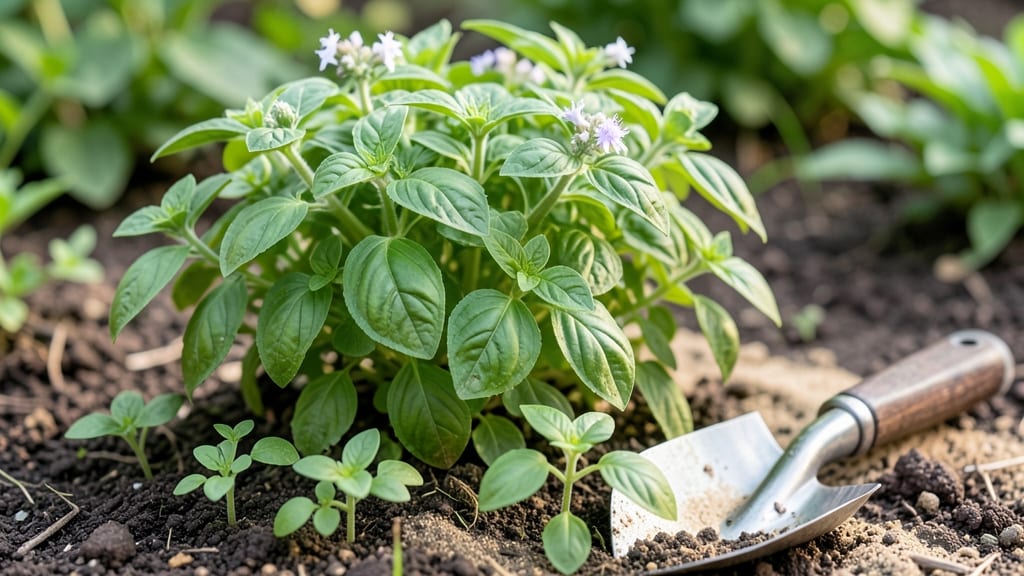
Timing your basil planting in Arizona isn't just about following a calendar—it's about outsmarting the desert's heat and avoiding bitter, bolted plants before they even take root.
With USDA Zone 9b's long growing season and extreme temperature swings, knowing when to start seeds or transplant seedlings can mean the difference between a thriving 🌿 herb garden and a sad, wilted failure.
Most gardeners in Arizona make one critical mistake: planting too early in the spring heat or too late in the fall, when temperatures dip unexpectedly. The sweet spot?
Start your basil in late winter to early spring—when soil temperatures hit a consistent 50°F—and again in late summer for a fall harvest. This two-pronged approach lets you enjoy fresh basil from February through October without the stress of bolting or heat shock.
But here's the secret weapon: microclimates. Whether you're in Phoenix's urban sprawl or Flagstaff's cooler highlands, elevation and shade patterns change everything.
I'll show you exactly how to adjust your planting schedule based on your specific corner of Arizona—plus heat-smart tricks like shade cloth and mulching to keep your basil happy even when the thermometer hits 110°F.
Ready to grow basil that tastes like summer all year long? Let's dive into the exact planting windows, heat management hacks, and variety choices that'll keep your 🌿 thriving when others give up. Your pesto game will never be the same.
Best planting windows for basil in Arizona’s climate zones
Arizona’s USDA Zone 9b climate means you can grow basil almost year-round, but timing is everything to avoid bolting or bitter flavors. The key is planting when soil temperatures stay above 50°F and before summer’s 110°F+ heat sets in.
Let’s break down the best windows for your specific microclimate—whether you’re in Phoenix’s desert lowlands, Tucson’s elevated valleys, or Flagstaff’s cooler highlands.
In low-desert areas (Phoenix, Yuma), your prime planting window is late January through March. This gives seedlings time to establish before the April heatwave arrives.
For mid-elevation cities (Tucson, Prescott), aim for February to early April, while high-elevation zones (Flagstaff, Sedona) can start as early as mid-March to avoid late frosts. Monsoon season (July–September) actually offers a second planting opportunity—more on that below!
🌱
| Zone/Location | Best Planting Window | Soil Temp Trigger | Monsoon Hack |
|---|---|---|---|
| Low Desert (Phoenix, Yuma) | Late Jan–March | 55°F+ consistently | July–Aug (direct sow) |
| Mid-Elevation (Tucson, Prescott) | Feb–Early April | 50°F+ consistently | Aug–Sept (transplant) |
| High Elevation (Flagstaff, Sedona) | Mid-March–April | 45°F+ consistently | Sept–Oct (cold-hardy varieties) |
🌡️ Pro Tip: Use a soil thermometer—basil roots need warm soil to thrive!
For container gardening, you can push these windows slightly earlier or later, as pots warm up faster in spring and cool down slower in fall. Just ensure your containers have drainage holes—basil hates soggy roots.
I’ve even grown basil in shade cloth-covered pots during June’s peak heat, though yields are smaller. The secret? Morning watering and daily shade adjustments.
If you’re direct-sowing seeds (cheaper and faster than transplants), start indoors under grow lights 6–8 weeks before your zone’s last frost date. For transplants, buy hardened-off seedlings from local nurseries in February—avoid those sold in June or July, as they’re often stressed from heat.
Don’t overlook succession planting! In Arizona, you can stagger plantings every 2–3 weeks from February through May to ensure a continuous harvest until October. This works especially well for container gardens or small urban plots. Just rotate your planting spots to prevent soil depletion.
For high-elevation gardeners, consider cold-hardy varieties like ‘Spicy Globe’ basil, which tolerates brief dips below 30°F. These can be planted as early as late February in zones like Flagstaff, where frosts linger longer. Pair them with row covers for extra protection until mid-April.
💧 Watering alert: New seedlings need consistent moisture—aim for 1 inch per week during establishment. Let the top 1 inch of soil dry between waterings to prevent fungal issues, but never let it get bone-dry.
How to extend basil’s growing season in Arizona’s extreme heat
Arizona’s 110°F+ summers can turn sweet basil into bitter, wilted relics—but with the right heat-smart strategies, you can keep your plants thriving all season long. The key is managing stress while maintaining flavor and growth.
I’ve grown basil in Phoenix’s triple-digit heat for years, and these tricks work every time. Let’s dive into the must-do tactics to protect your plants without sacrificing their signature taste.
First, shade cloth is your best friend during peak heat (June–August). Use 30–50% shade cloth to filter sunlight while allowing airflow. Install it by mid-May and remove it in September—this prevents heat shock while keeping leaves lush.
For container gardens, move pots to shadier spots by 11 AM daily. I’ve even used white frost cloth (yes, really!) to reflect heat during afternoon sun.
🌡️
⚠️ Heat Stress Warning:
Basil wilts when soil temps exceed 90°F. Yellowing leaves or drooping stems mean it’s time to act—shade, water, and mulch immediately.
💧 Pro Move: Soak roots deeply once weekly (1–2 inches down) instead of daily light watering. This encourages deeper root growth, making plants more drought-tolerant.
Mulching is another game-changer. Apply 2–3 inches of organic mulch (straw or shredded leaves) around plants to lock in moisture and regulate soil temperature. Avoid synthetic mulches—they trap heat. For container basil, top-dress with cocoa hulls or peat moss to slow evaporation. I’ve seen mulched pots stay 10°F cooler than unmulched ones on 105°F days.
Watering correctly is critical. Morning watering (before 10 AM) reduces evaporation and fungal risk. Use drip irrigation or soaker hoses to deliver water slowly and deeply—this prevents leaf burn from overhead sprinklers.
For potted basil, water when the top 1 inch of soil is dry, but never let pots sit in saucers of water. Root rot is just as deadly as drought in Arizona’s heat.
Don’t forget pruning and harvesting! Pinch off flower buds to redirect energy to leaves (not seeds). Harvest outer leaves first, leaving the center intact. This encourages bushier growth and prevents bolting.
I harvest my basil every 2–3 days in summer—this keeps plants compact and flavorful. Never let it flower in heat, or you’ll lose your crop to bitter seeds.
For late-season extensions, try row covers in October to protect basil from unexpected cold snaps. In Phoenix, I’ve kept basil growing until December using low tunnels and heat lamps> on chilly nights.
Just monitor temps—basil tolerates down to 45°F but wilts below 40°F. In high elevations, focus on cold-hardy varieties like ‘Dark Opal’, which handle 30°F nights.
🌿 Final Tip: Rotate your basil’s position every 2 weeks to ensure even sun exposure. This prevents one-sided growth and keeps leaves uniformly green—no more sad, leggy plants!