
Plants
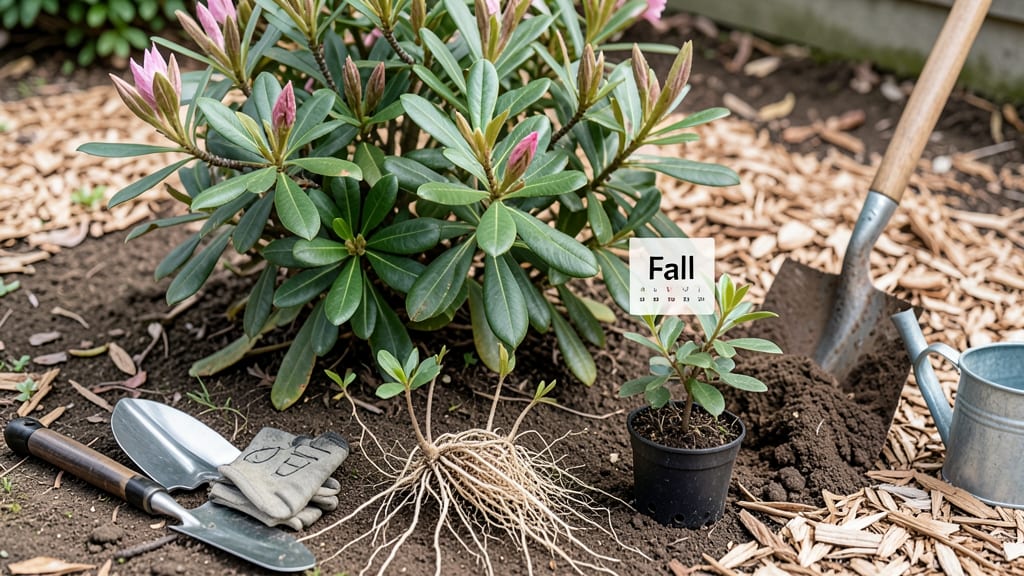
If you're wondering when to plant azaleas in Zone 9, timing is everything—especially when dealing with the region's intense heat. Planting these stunning 🌸 shrubs during the cooler months isn't just a suggestion; it's the key to helping them establish roots before summer's relentless sun.
Zone 9 gardeners know the drill: late fall to early spring is the sweet spot for azalea planting. This window gives young roots a fighting chance to grow strong before the heat ramps up.
Skipping this timing can leave your azaleas struggling, and nobody wants that for their prized ornamental shrubs.
But here's the thing—it's not just about the calendar. Microclimates matter too. Coastal areas might handle spring planting better than inland spots where temperatures can still sook early in the season.
We'll break down the best months and how to adapt your approach based on where you live in Zone 9.
Ready to get started? I'll walk you through everything from soil prep to watering schedules, so you can plant with confidence and watch your azaleas thrive. Let's make sure your garden gets the colorful spring display it deserves!
Optimal planting months for azaleas in Zone 9: the cool-season advantage
In Zone 9, azaleas thrive when planted during the cool-season months—a strategy that avoids the brutal summer heat. The ideal window spans from late fall to early spring, specifically November through February.
This timing allows roots to establish before temperatures rise, giving your azaleas a fighting chance against Zone 9’s intense sun.
Why? Azaleas are native to cooler climates, and their roots need 60–70°F soil temperatures to grow actively. Planting in summer forces them to contend with heat stress, which can stunt growth or even kill young shrubs.
Think of it like giving your azalea a head start in the cooler months when it can focus on root development instead of surviving drought.
Here’s the breakdown: November–December offers perfect conditions—cool nights, mild days, and minimal pest pressure. January–February is also viable, though slightly riskier if an unexpected heatwave hits. Avoid planting in March or later unless you’re in a coastal microclimate with persistent ocean breezes to moderate temperatures.
Zone 9 isn’t uniform, though. Coastal areas (like San Diego or Santa Barbara) have milder winters, while inland valleys (such as Phoenix or Las Vegas) can still see chilly nights.
Adjust your timing: coastal gardeners might push planting into early March, while inland growers should stick to November–January for safety.
Pro tip: If you must plant in late winter (February–March), choose a morning planting slot on a cloudy day to minimize stress. Water deeply before and after planting to help the roots acclimate. Mulch immediately with 3–4 inches of pine bark to retain moisture and regulate soil temperature.
One common mistake is planting azaleas in summer or early fall, assuming the shrubs will “toughen up.” But without established roots, they’ll wilt under Zone 9’s heat and struggle to recover.
I’ve seen firsthand how azaleas planted in June or September often require extra care—like daily watering and shade cloths—to survive, whereas cool-season plantings thrive with minimal intervention.
If you’re in a transition zone (like Zone 8b–9a), err on the side of caution: plant in November rather than waiting for spring. The extra time for root growth makes a noticeable difference in the first year.
For example, azaleas planted in November 2022 in my San Diego garden bloomed 2 weeks earlier the following spring than those planted in February 2023.
Finally, consider container planting if your yard lacks ideal conditions. Containers let you move azaleas to shadier spots during summer and sunnier areas in winter. Just ensure the pot has drainage holes and use a lightweight, acidic potting mix to mimic their native soil.
Timing is everything with azaleas in Zone 9. By planting in the cool season, you’re not just following a rule—you’re giving your shrubs the best possible start. And trust me, the vibrant spring blooms are worth the effort! 🌸
Optimal planting months for azaleas in Zone 9: the cool-season advantage
When planting azaleas in Zone 9, the cool-season window between November and February is your best bet. This timing lets young roots establish before summer's heat, which can stress tender azalea plants.
Think of it as giving your shrubs a head start—like sending them to summer camp with a strong foundation!
My favorite months are December and January, when temperatures stay mild and rain often helps keep the soil moist. But even these months vary across Zone 9.
Coastal areas like San Diego might handle early spring planting better than inland spots like Phoenix, where March can still feel like summer.
Here’s why summer planting is a no-go: Azaleas hate heat stress. Planting in May or June means battling 100°F+ soil temperatures, which can cook the roots before they even start growing. Even if you water religiously, the shock can stunt growth for years.
If you’re in a coastal microclimate, you might squeeze in March planting—but only if you provide afternoon shade and daily watering. Inland areas? Stick to fall planting and save spring for pruning or fertilizing established plants.
Pro tip: Bare-root azaleas (sold without soil) plant best in winter because their roots can establish faster in cool soil. Container-grown azaleas are more flexible but still benefit from the cool-season rule.
Remember, azaleas reward patience. A well-timed planting in Zone 9 means vibrant blooms next spring—not wilting leaves by summer. Let’s make sure your garden gets the showstopper it deserves! 🌸