
Plants
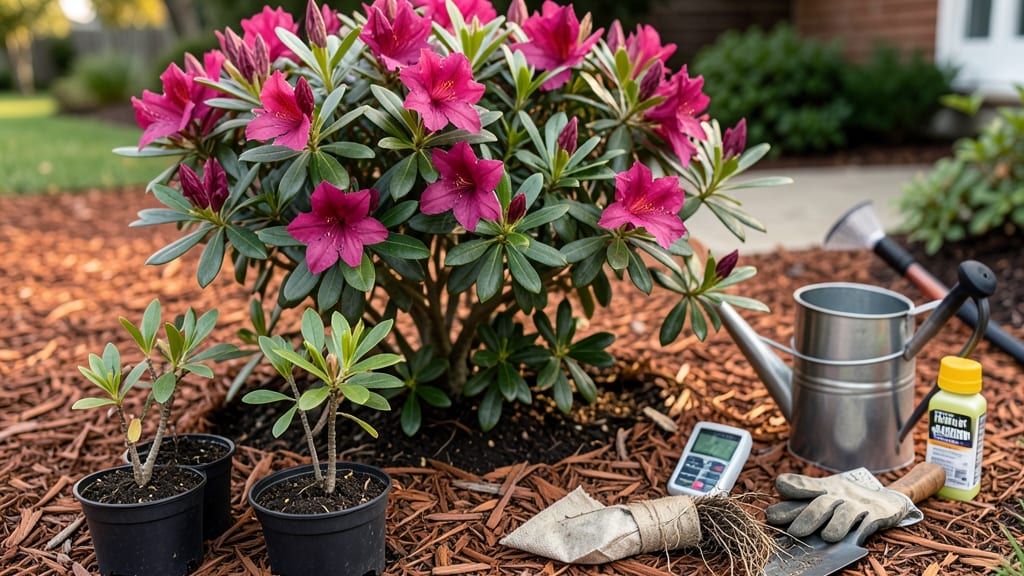
Timing your azalea planting in Oklahoma isn't just about the calendar—it's about catching the perfect chill-hour window before that first frost sneaks in. Miss the mark, and your 🌸 azaleas might struggle to bloom, or worse, fail to take root at all in Oklahoma's 6b-7b zones.
Fall planting (October-November) gives azaleas the ideal head start, letting roots establish before winter's chill sets in. But spring (March-April) works too, if you act fast—before Oklahoma's unpredictable weather shifts from cool to scorching. The key? Understanding your local microclimate, whether you're in urban Tulsa or rural rural areas.
I'll walk you through exactly when to plant, how to prep your soil for these acid-loving shrubs, and what to watch for to avoid common mistakes. No more guessing—just vibrant, blooming azaleas that thrive in your Oklahoma landscape.
Ready to transform your yard into a springtime spectacle? Let's dive into the actionable steps that'll have your azaleas off to the best possible start.
Oklahoma azalea planting timeline: chill-hours by region
Timing is everything when planting azaleas in Oklahoma, where chill-hours (hours below 45°F) determine whether your shrubs will bloom. Most Oklahoma varieties need 400-1,000 chill-hours, but your exact location—whether in USDA Zone 6b (northwest) or Zone 7b (southeast)—shifts the ideal window.
Let’s break down when to plant based on your region’s chill-hour requirements and frost-free window.
Northern Oklahoma (Zones 6b-7a) typically has 600-800 chill-hours annually, making fall planting (October-November) your best bet. Southern Oklahoma (Zone 7b) averages 400-600 chill-hours, so early spring (March-April) works well if you miss fall.
Both regions share one critical rule: plant before the ground freezes—usually by November 15—to allow roots to establish before winter.
Here’s the chill-hour cheat sheet for Oklahoma azaleas, tailored to your microclimate:
To verify your exact chill-hours, check the USDA Plant Hardiness Zone Map and use local weather data from Oklahoma Mesonet. For example, Oklahoma City averages 750 chill-hours, while Tulsa sees around 600.
Southern varieties like ‘Southern Indica’ thrive with 400-500 hours, while Northern types need 800+ hours—so choose wisely!
Spring planting is riskier in Oklahoma due to late frosts (common until April 15), but it’s your only option if you missed fall. If planting in spring, harden off container-grown azaleas by gradually exposing them to outdoor temps for 7-10 days before transplanting.
This mimics their natural dormancy cycle and reduces shock.
Pro tip: Container-grown azaleas can be planted year-round in Oklahoma (except during extreme heat/cold), but bare-root plants must go in during dormancy. If you’re unsure about your chill-hours, opt for evergreen azaleas, which tolerate warmer winters better than deciduous types.
Remember, soil temperature matters just as much as air temperature. Azalea roots struggle to grow in soil below 60°F, so wait until late October (or early March) when soil warms up.
Use a soil thermometer to check—this simple tool can save you from planting too early and risking root rot.
For urban gardeners, microclimates play a huge role. A south-facing yard in Oklahoma City may hit 80°F by May, while a shaded north-side garden stays cooler. Adjust your planting window 2-4 weeks later if your spot gets intense afternoon sun or urban heat island effects.
Finally, pair your planting timeline with mulching (2-3 inches of pine bark) to insulate roots in winter and retain moisture in summer. This extends your effective planting window by 2-3 weeks on either side of the ideal dates.
Oklahoma azalea planting timeline: chill-hours by region
Oklahoma's USDA zones 6b-7b create unique challenges for azaleas, which need 400-1,000 chill-hours (temperatures between 32°F-45°F). Northern Oklahoma typically gets 800-1,000+ chill-hours, while southern areas may only reach 400-600 hours. This means your azalea variety choice depends entirely on your location.
For Northern Oklahoma (zones 6b-7a), you can grow both Southern and Northern azaleas, but fall planting (October-November) gives roots time to establish before winter.
Southern Oklahoma gardeners should stick to Southern azaleas (like 'Hino Crimson' or 'Formosa') and plant in late fall or early spring to avoid heat stress.
Here's how Oklahoma's chill-hour zones break down for planting:
| Region | Chill-Hours | Best Planting Window | Recommended Varieties |
|---|---|---|---|
| North OK (Tulsa, OKC) | 800-1,000+ | Oct 15-Nov 15 or Mar 15-Apr 15 | 'Girard's Pink', 'Kansei', 'Southern Indigo' |
| Central OK (Stillwater, Lawton) | 600-800 | Oct 1-Nov 10 or Mar 10-Apr 10 | 'Hino Crimson', 'Formosa', 'Oconee' |
| South OK (Oklahoma City, Ardmore) | 400-600 | Nov 1-Dec 15 or Mar 1-Apr 15 | 'Southern Charm', 'Caddo', 'Tifrose' |
To verify your specific chill-hour count, check the USDA Plant Hardiness Zone Map and use local weather data from Oklahoma Mesonet. Most Oklahoma gardeners fall into the 600-800 hour range, so Southern azaleas are generally the safest bet for reliable blooms.
Timing isn't just about chill-hours—it's also about avoiding Oklahoma's extreme heat (planting in summer can kill young azaleas) and early frosts (planting too late in fall leaves them vulnerable). Aim for 6-8 weeks before first frost in your area for optimal success.
Pro tip: If you're in zone 7b or warmer, consider evergreen azaleas like 'George L. Taber'—they handle Oklahoma's hot summers better than deciduous types. Just be prepared for more frequent watering during our 100°F+ spells.