
Plants
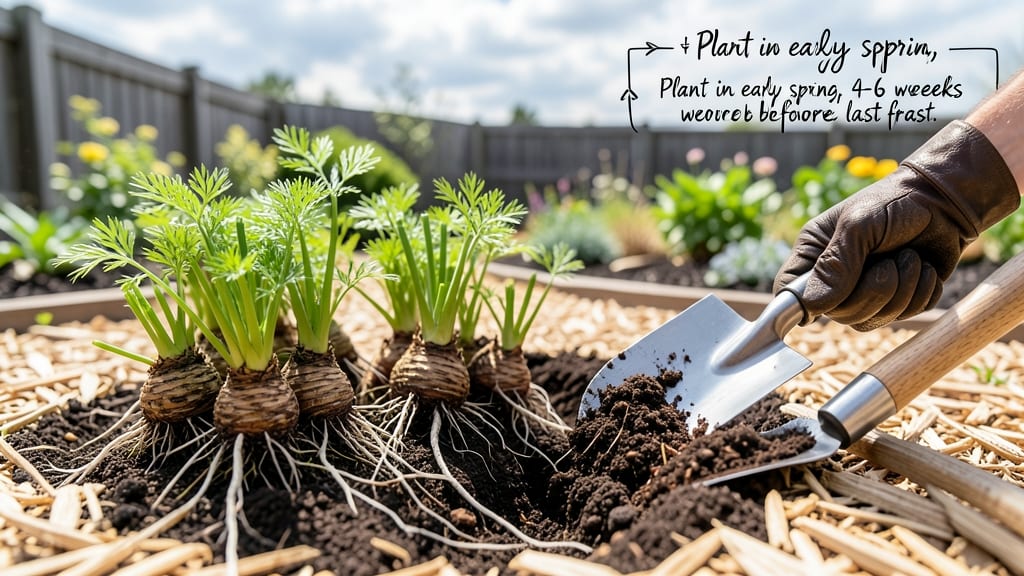
Timing your asparagus planting in Maine can mean the difference between a thriving garden and a frost-bitten disappointment—but don’t let those chilly springs scare you off.
With the right approach, you can break through Maine’s Zone 5b-6b frost and grow a perennial crop that rewards patience with years of harvests. The secret? Planting crowns 4-6 weeks before the last frost (usually by early April) when soil temperatures rise just enough to encourage root growth.
Why does timing matter so much? Asparagus crowns need consistent moisture and warmth to establish roots before winter hits, but they also hate soggy soil.
In Maine’s unpredictable climate, planting too early risks frost damage, while waiting too long delays the 3-year payoff when your patch finally delivers those prized spears. Let’s walk through exactly when to plant—and how to set your asparagus up for long-term success in your backyard.
You might assume fall planting would work better in cold climates, but Maine’s early freezes make spring the safer bet. Once you’ve chosen cold-hardy varieties like ‘Mary Washington’ or ‘Jersey Knight,’ the next critical step is preparing your soil—well-drained, slightly alkaline, and free of weeds.
I’ll show you how to get it right so your asparagus crowns take root like they’re in a greenhouse, not a Maine wind tunnel.
Ready to skip the trial-and-error? In this guide, you’ll discover the exact planting window that works for Maine’s frost dates, plus pro tips for spacing, fertilizing, and protecting your crop from late-season freezes.
By the end, you’ll know exactly when to dig in—and how to turn your garden into a spear-producing powerhouse for summers to come.
Best planting months for asparagus in Maine’s Zone 5 climate
Maine’s Zone 5 climate demands precise timing when planting asparagus to ensure survival through harsh winters and successful growth. The ideal window is early spring, specifically March to early April, when soil temperatures rise above 40°F (4°C)—critical for root establishment before summer heat.
This timing allows crowns to develop strong roots before Maine’s first frost, typically around October 15.
While spring planting is preferred, fall planting is possible in Maine’s milder coastal regions, like Portland or Bar Harbor, where soil remains workable until late September or early October.
However, inland areas with earlier frosts should avoid fall planting to prevent crowns from heaving out of the soil during freeze-thaw cycles. Always align planting with your last frost date, which varies by 5-10 days across the state.
Soil temperature is the deciding factor—asparagus crowns won’t thrive in cold, wet soil. Use a soil thermometer to confirm temperatures reach at least 50°F (10°C) before planting. In colder inland regions like Bangor or Presque Isle, this may mean waiting until mid-April.
For coastal Maine gardeners, like those in Rockland or Camden, the growing season extends slightly, allowing for late April or early May plantings. These areas benefit from warmer microclimates and can support earlier harvests in subsequent years.
However, even coastal regions should avoid planting after May 15, as summer heat can stress young crowns.
If you’re unsure about your last frost date, consult the Maine State Climate Office or use a frost calendar for your specific town. For example, Portland’s last frost averages April 10, while Caribou’s is closer to May 5.
Planting 4-6 weeks before these dates ensures crowns establish roots before summer heat arrives.
One common mistake is planting too early in cold, wet soil, which can lead to rot or poor root growth. To test soil readiness, press your finger into the ground—if it feels cool but workable (like a damp sponge), it’s time to plant.
In northern Maine, this often means waiting until mid-to-late April.
Pro tip: Mulch heavily after planting with straw or shredded leaves to insulate crowns during Maine’s unpredictable spring frost risks. This extra layer helps maintain consistent soil temperatures and reduces moisture loss, which is critical for young plants.
Avoid planting asparagus in low-lying areas where cold air pools, as these spots can delay warming and increase frost risk. Instead, choose slightly elevated beds with south-facing exposure to maximize sunlight and warmth.
This simple adjustment can mean the difference between a thriving patch and a failed crop in Maine’s Zone 5 climate.
Remember, asparagus is a perennial crop that rewards patience. While you won’t harvest until year 3, proper planting timing now sets the stage for decades of productivity.
With Maine’s short growing season, every day counts—so mark those planting dates and get those crowns in the ground at the perfect moment!
Best planting months for asparagus in Maine’s Zone 5 climate
Maine’s Zone 5b-6b climate demands precise timing for asparagus planting, where spring is the gold standard—not fall. While some gardeners attempt fall planting, Maine’s early freezes (often by late October) leave crowns vulnerable to rot before roots establish.
Aim to plant 4-6 weeks before your last frost date, typically between late March and early April, when soil temperatures hover around 50°F (10°C).
Why this window? Asparagus crowns need consistent warmth and moisture to grow roots before winter dormancy. Planting too early risks frost damage, while waiting too long delays the 3-year harvest payoff.
Coastal Maine may have slightly later frost dates (by 1-2 weeks), but inland areas should stick to the earlier side of this window to avoid surprises.
🌱 Pro Tip: Check soil temperature with a soil thermometer—wait until it’s consistently 50°F (10°C) at a 4-inch depth before planting. This ensures roots establish before summer heat arrives.
| Planting Window | Soil Temp Requirement | Maine Frost Alignment | Key Consideration |
|---|---|---|---|
| Late March - Early April | 50°F (10°C) at 4" | 4-6 weeks before last frost | Balances root growth & frost risk |
| Mid-April (coastal) | 50-55°F (10-13°C) | 1-2 weeks later than inland | Warmer microclimates extend window |
| Fall (not recommended) | N/A (roots won’t establish) | Early freezes by October | High rot risk before dormancy |
If you’re in coastal Maine, you might push planting to mid-April, thanks to milder microclimates. But inland gardeners should err on the earlier side—late March—to account for sudden cold snaps.
Always monitor local frost forecasts from the National Weather Service or Maine Climate Office for real-time adjustments.
Once planted, focus on consistent moisture (1-1.5 inches weekly) and mulching with straw to insulate roots. Avoid fertilizing until spring shoots emerge—overfeeding can stress young crowns. With this timing, your asparagus will establish strong roots before Maine’s first winter, setting you up for harvests in year 3.
✂️ Remember: Asparagus is a perennial investment. Skipping the right planting window means waiting another year for spears. But with this schedule, you’ll break through the frost—and the flavor barrier—like a pro.