
Plants
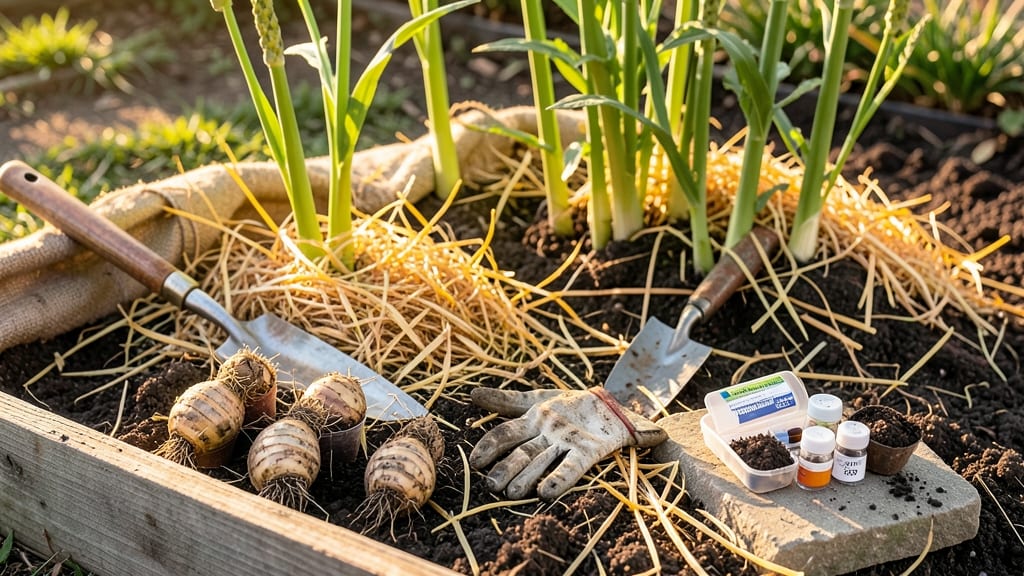
Timing your asparagus planting in Kentucky right could mean the difference between a bountiful harvest and wasted effort. With Kentucky’s 6a-7a climate zones, you’ve got a narrow window—too early and frost zaps your crowns, too late and your plants won’t establish roots before winter sets in.
I’ve grown asparagus in Kentucky for years, and the early spring window (March-April) is your best bet for success. But there’s more to it than just picking a month—soil temperature, frost dates, and even your local microclimate play a role.
Let’s break down exactly when to plant for maximum spears next season.
You’ll learn how to read your region’s frost-free dates, which cold-hardy varieties perform best in Kentucky’s humidity, and how to prep your soil to avoid common pitfalls like soggy roots or stunted growth. Whether you’re a first-timer or a seasoned gardener, these tips will help you plant with confidence.
Ready to grow your own 🌱 asparagus? By the end, you’ll know exactly when to get those crowns in the ground—and how to give them the perfect start for years of harvests ahead.
Best planting months for asparagus in Kentucky’s climate zones
Kentucky’s USDA hardiness zones 6a-7a create a narrow but critical window for planting asparagus crowns. Unlike many vegetables, asparagus thrives when planted in early spring or fall, avoiding extreme heat or frost.
The Bluegrass Region (central KY) typically has earlier last frost dates (around March 15) compared to the Pennyrile Region (western KY), where frost lingers until March 25-30.
For spring planting, aim for March through mid-April—this gives crowns 6-8 weeks to establish roots before summer heat arrives. In fall, plant late September to early October so roots can settle before the first frost (November 15).
Planting after these windows risks stunted growth or winter kill.
Here’s how Kentucky’s microclimates affect timing:
- Northern KY (zones 6a): Plant March 1-15 for spring; September 15-October 1 for fall.
- Central KY (zones 6b-7a): Plant March 15-April 1 for spring; October 1-10 for fall.
- Southern KY (zones 7a): Plant March 25-April 15 for spring; October 10-20 for fall.
| Planting Window | Soil Temperature | Key Consideration |
|---|---|---|
| Spring (March-April) | 50-60°F | Avoid frost; roots need 6-8 weeks to establish. |
| Fall (Sept-Oct) | 55-65°F | Plant 8-10 weeks before first frost for root growth. |
| Avoid | Below 40°F or above 80°F | Crowns risk frost damage or heat stress. |
Kentucky’s humidity and summer heat demand extra care. After planting, mulch heavily (3-4 inches of straw) to retain moisture and regulate soil temperature. In drought-prone areas like the Pennyrile, drip irrigation helps prevent crown rot from fluctuating moisture levels.
Pro tip: Use a soil thermometer to confirm 50°F soil temps before planting—cold soil delays root growth. In southern Kentucky’s warmer zones, you can push spring planting to early May, but expect a delayed first harvest that year.
For container growing, plant in late April to avoid frost heave in pots. Containers warm up faster than ground soil, so monitor root zone temps closely. If your area experiences late frosts (common in the Appalachian foothills), opt for fall planting instead.
Timing isn’t just about months—it’s about weather patterns. Check your local Cooperative Extension Service for frost-free date averages and adjust by 1-2 weeks if your microclimate runs cooler or warmer. For example, Lexington’s last frost is March 10, while Paducah’s is March 20.
Remember: Asparagus is a perennial investment. Crowns planted at the right time in well-prepared soil can produce spears for 15-20 years. Rush the process, and you’ll spend years waiting for that first harvest. Patience—and precise timing—are your best tools.
🌱
Best planting months for asparagus in Kentucky’s climate zones
Kentucky’s 6a-7a climate zones create a delicate balance for asparagus planting—too early and frost damages young crowns, too late and roots won’t establish before winter. My experience shows that March through April offers the sweet spot for most of the state, but regional microclimates demand adjustments.
For northern Kentucky (Zone 6a), aim for planting between March 15 and April 15 when soil temperatures consistently reach 50°F (10°C). In southern Kentucky (Zone 7a), you’ve got a slightly longer window—late February to early May—thanks to milder winters.
Here’s the key: soil temperature, not air temperature, determines readiness. Use a soil thermometer to confirm the ground is warm enough—asparagus roots thrive at 50°F+. In Kentucky’s clay-heavy soils, this often means waiting until mid-to-late March for most areas.
| Region | Zone | Best Planting Window | Soil Temp | Notes |
|---|---|---|---|---|
| Northern Kentucky (Louisville, Lexington) | 6a | March 15 - April 15 | 50°F+ | Wait for last frost |
| Central Kentucky (Frankfort, Bowling Green) | 6b-7a | March 1 - April 30 | 50°F+ | Flexible window |
| Southern Kentucky (Paducah, Hopkinsville) | 7a | Late Feb - Early May | 48°F+ | Longer growing season |
| All Regions (Fall Option) | 6a-7a | September 15 - October 15 | 60°F+ | Roots establish before winter |
While spring planting is standard, fall planting (September-October) works too—just ensure crowns establish roots before first frost (Nov 15). This method gives you a head start on next year’s harvest, as plants focus on root growth rather than spear production.
Pro tip: Check Kentucky’s frost-free date maps (available from UK Extension) for your exact location. In elevated areas like the Cumberland Plateau, frost lingers later, so delay planting until after April 1 to avoid cold damage.
Remember, asparagus is a perennial—proper planting now means harvests for 15+ years. Don’t rush; wait for the right conditions to set your crop up for long-term success.