
Trees
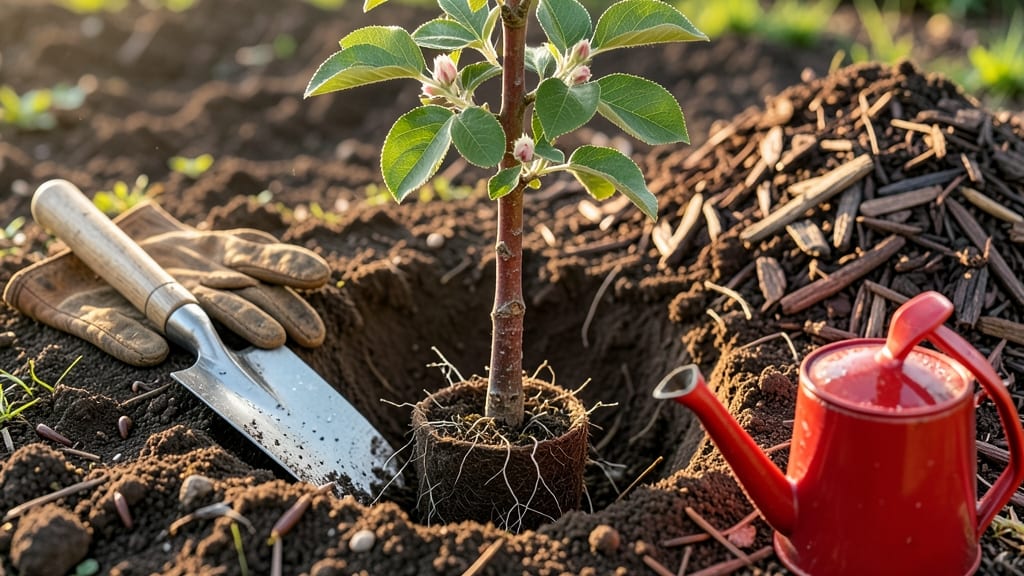
Timing your 🍎 apple tree planting in Maine isn't just about picking a month—it's about beating the frost, avoiding late-season surprises, and giving your young tree the best shot at survival.
With USDA Zone 5b-6b winters and unpredictable frost dates, planting too early or too late can mean the difference between a thriving orchard and a sad, frozen sapling.
Most gardeners swear by fall planting as the safest bet—but is it right for your Maine property? Or should you wait for early spring when the ground thaws? The answer depends on whether you're planting bare-root trees or container-grown varieties, and how your local microclimate plays into frost patterns.
Let me break down the exact windows that work best for Maine's climate, so you can plant with confidence.
You'll also discover which cold-hardy apple varieties thrive in Maine's short growing season, how to prep your soil for maximum root success, and why some nurseries recommend fall planting while others push for spring.
Whether you're a first-time grower or a seasoned orchard keeper, these insights will help you avoid common mistakes that trip up even experienced gardeners.
Ready to plant your apple tree at the perfect moment? Let's dive into the science of frost dates, soil prep, and variety selection so you can enjoy homegrown apples for years to come—no matter what Maine's weather throws your way.
Maine’s frost dates & best planting windows for apple trees
Maine’s USDA Zones 3-5 bring unique challenges for apple tree planting, with last frost dates varying dramatically between coastal and inland regions. Inland areas like Presque Isle average their last frost around May 10, while coastal Portland often sees frost-free conditions by April 20.
These differences mean your planting window could shift by 3 weeks or more depending on location.
For optimal survival, aim to plant apple trees during Maine’s two ideal windows: early spring (just after the ground thaws) or fall (September-October), at least 4-6 weeks before first frost.
Fall planting gives roots time to establish before winter, while spring planting avoids dormant season stress. Let’s break down the specifics for your region.
🌱
| Region | Last Frost Date | First Frost Date | Best Planting Window |
|---|---|---|---|
| Northern Maine (Zone 3) | May 20 | October 5 | Late April-Early May or Sept 15-Oct 15 |
| Central Maine (Zone 4) | May 10 | October 10 | Early April-Mid May or Sept 1-Oct 1 |
| Southern Maine (Zone 5) | April 20 | October 15 | Mid March-April 15 or Aug 20-Sept 30 |
| Coastal Maine (Zone 5b) | April 10 | October 20 | Late March-April 10 or Aug 15-Sept 20 |
Use Maine’s frost-free days (typically 150 days) to guide your timing. For example, if you’re in Zone 4 Bangor, planting in early May ensures roots establish before summer heat, while a September 15 planting gives roots time to harden before winter.
Coastal areas can plant 2-3 weeks earlier due to milder microclimates.
For precise timing, check the National Oceanic and Atmospheric Administration (NOAA) frost date calculator or local Maine Agricultural Weather Network reports. These tools account for 30-year averages and recent trends, helping you avoid late spring frosts that can damage new growth.
🌡️
Another critical factor is soil temperature. Apple tree roots need soil temps above 40°F (4°C) to thrive. In colder inland areas, wait until soil warms in late April, while coastal regions can plant as early as mid-March.
Use a soil thermometer to verify—planting too early in cold soil can stunt root development.
If you’re planting bare-root trees (the most common and cost-effective option in Maine), prioritize early spring planting before buds swell. This gives roots time to establish before the tree focuses energy on foliage.
For container-grown trees, you have more flexibility—plant anytime the ground isn’t frozen, but avoid peak summer heat to reduce transplant shock.
🪴
Pro tip: If you miss the ideal window, fall planting is your next best option. Choose disease-resistant varieties like 'Enterprise' or 'Liberty', which handle Maine’s humid summers and wet springs better than traditional apples.
Water deeply after planting, then mulch with 3-4 inches of wood chips to insulate roots during winter.
Finally, consider your tree’s maturity timeline. Fast-growing varieties like 'Macoun' (ready in 4-5 years) can handle Maine’s short growing season better than slower varieties. Pair your planting window with the right variety, and you’ll be harvesting homegrown Maine apples in no time!
Step-by-Step guide to planting apple trees in Maine’s short growing season
Planting an apple tree in Maine’s USDA Zone 5b-6b requires precision—especially when dealing with late frosts and short growing seasons. The key is choosing the right time to plant (either early spring or fall) and preparing your soil to give roots a strong start before winter.
Let’s break this down into clear, actionable steps so your tree thrives from day one.
First, decide whether to plant bare-root or container-grown trees. Bare-root trees are cheaper and easier to handle, but they must be planted when dormant—either in early spring (April) before buds swell or in fall (September-October), at least 4-6 weeks before the ground freezes.
Container-grown trees offer more flexibility, allowing you to plant almost year-round, but they’re pricier and may need extra care to establish roots.
🌱 Visual Guide: Planting Timeline for Maine Apple Trees 🌱
After planting, focus on watering deeply once a week for the first month, then taper to bi-weekly once roots establish. In Maine’s dry summers, young trees need consistent moisture to avoid stress. Avoid overwatering—waterlogged soil can suffocate roots just as much as drought.
One critical mistake Maine gardeners make is planting too late in spring, when late frosts (common until mid-May) can damage new growth. If you’re unsure about frost dates, check the National Weather Service or use the Old Farmer’s Almanac for your specific region.
Coastal areas like Portland tend to have milder winters, while inland zones like Presque Isle face harsher conditions—adjust your timing accordingly.
For container-grown trees, you can plant anytime the ground isn’t frozen, but fall is still ideal. These trees arrive with established root systems, so they handle transplanting better than bare-root varieties. Just be sure to remove the container and loosen any circling roots before planting to encourage outward growth.
Finally, give your tree a head start by applying a balanced fertilizer (10-10-10) in early spring to fuel new growth. Avoid heavy feeding in fall, as it can stimulate tender shoots that won’t survive winter.
With these steps, your apple tree will have the best chance to thrive in Maine’s challenging climate—setting you up for decades of homegrown harvests. 🍏