
Trees
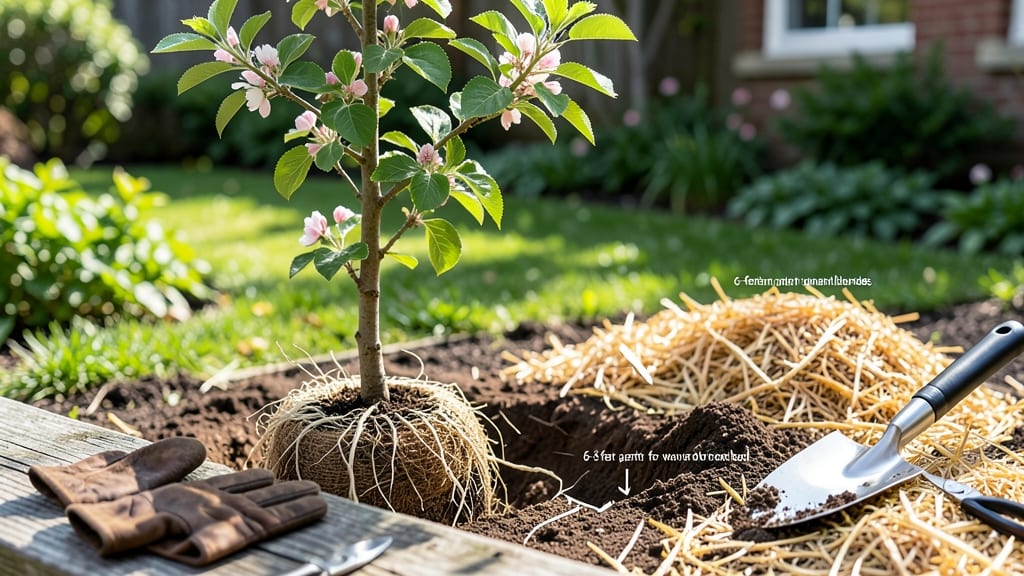
Timing your 🍎 apple tree planting in Indiana can mean the difference between a thriving orchard and a sad, struggling sapling. With Indiana's 5b-6b climate zones, getting the window right—whether it's early spring or fall—isn’t just about luck, but science.
Most gardeners assume spring is the only option, but fall planting offers unique advantages for young trees to establish roots before winter. I’ll break down the exact dates that work best for your region, so you can avoid common mistakes that trip up even experienced growers.
You’ll also discover which cold-hardy varieties like 'Honeycrisp' or 'Liberty' perform best in Indiana’s winters, plus how to prep your soil and choose between bare-root or container-grown trees. Let’s get your orchard off to the right start.
Whether you’re a first-time planter or a seasoned gardener, these insights will help you plant with confidence—and watch your apple trees flourish for years to come.
Best planting months in Indiana: exact dates by climate Zone
Indiana’s USDA hardiness zones 5b-6b create a tight window for planting apple trees—too early, and frost will damage tender roots; too late, and your tree won’t establish before winter. The ideal planting months are March-April (spring) or September-October (fall), but exact dates depend on your microclimate.
Northern Indiana (zone 5b) has a shorter growing season, while southern Indiana (zone 6b) offers slightly more flexibility.
Spring planting—before buds swell—gives roots time to establish before summer heat, while fall planting—6-8 weeks before first frost—lets trees develop strong root systems during dormancy.
For Indiana, this means planting by October 15th in most regions. Bare-root trees thrive in both seasons, but container-grown trees can be planted year-round except in freezing conditions.
Soil temperature is the hidden factor: roots need 40°F+ soil to grow actively. In Indiana, this typically occurs by mid-April in southern zones but may wait until late April in northern areas. Use a soil thermometer to confirm—planting too soon in cold soil stresses roots.
Here’s how Indiana’s two planting windows compare for apple tree success:
Northern Indiana (Zone 5b) should aim for April 1st-15th in spring or September 1st-15th in fall, while Southern Indiana (Zone 6b) has until April 15th-30th or October 1st-15th. Check your local frost dates—Indiana’s average last frost is April 15th, but urban areas like Indianapolis may warm earlier.
Fall planting offers 3 key advantages: cooler soil reduces transplant shock, trees focus energy on roots (not leaves), and established roots handle winter better. However, spring planting avoids winter desiccation risks and gives trees a full growing season to mature.
For container-grown trees, plant anytime soil isn’t frozen—they adapt better to delayed planting.
Indiana’s microclimates matter: trees in urban areas (like Fort Wayne) may need earlier spring planting due to heat islands, while rural zones (like southern Indiana) can plant slightly later. Always test soil drainage—apple trees hate soggy roots. Amend heavy clay with compost or sand to improve aeration.
Pro tip: Mulch heavily (3-4 inches of wood chips) after planting to retain moisture and regulate soil temperature. In fall, apply mulch before first frost to protect roots from freeze-thaw cycles. For container-grown trees, water deeply 1-2 times per week until roots establish (usually 6-8 weeks).
Remember: Bare-root trees must be planted immediately upon arrival—don’t let roots dry out. If you can’t plant right away, helicopter roots (the smaller roots) should point downward, and the root flare (where trunk meets roots) must sit 2 inches above soil level. Adjust depth now—you can’t fix it later!
Best planting months in Indiana: exact dates by climate Zone
Indiana’s 5b-6b climate zones create a narrow window for planting apple trees, but timing can make or break your tree’s survival. Most gardeners swear by spring planting (March-April) because the soil is workable and roots establish quickly.
However, fall planting (September-October) offers unique advantages—trees develop roots before winter dormancy, giving them a head start in spring.
For Indiana’s northern regions (Zone 5b), aim to plant bare-root trees between March 15 and April 15 in spring or September 15 and October 15 in fall. Southern Indiana (Zone 6b) can extend fall planting slightly later, up to October 30, but avoid planting after the first frost.
Soil temperatures should be above 40°F for optimal root growth.
🌱
Spring planting in Indiana works best when you plant bare-root trees before buds swell—typically by April 15 in northern regions. This gives roots time to establish before summer heat stress.
For container-grown trees, you can plant slightly later (up to May 15), but they’ll need consistent watering to prevent transplant shock.
The biggest mistake I see? Planting too late in spring when soil temperatures exceed 75°F. Young roots struggle to absorb water, leading to wilting.
If you miss the spring window, fall is your next best bet—just ensure you plant 6–8 weeks before the first frost to allow roots to harden off.
🌿
Pro tip: Check your local Indiana State Climate Office for frost dates—urban areas like Indianapolis often have 2–3°F warmer microclimates than rural zones. Adjust your planting timeline accordingly. For example, if your last frost is October 20, plant by September 1 to give roots time to establish.