
Plants
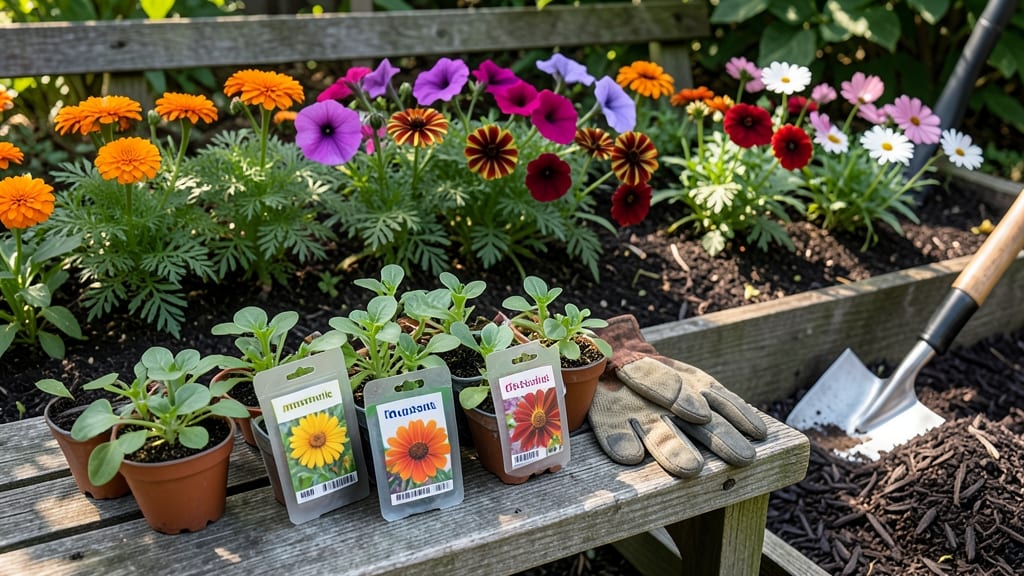
Knowing when to plant annuals in Zone 7 can turn a lackluster garden into a vibrant, year-round showstopper—if you get the timing right. One wrong move, like planting too early, and frost will nip your dreams in the bud before they even bloom.
But with the right schedule, you’ll enjoy everything from spring petunias to fall zinnias without the guesswork.
Zone 7 gardeners have two key windows: late winter to early spring (after the last frost) and late summer for fall blooms. The average last frost in Zone 7 is around March 15, but microclimates—like urban heat pockets or shaded spots—can shift that date by weeks.
That’s why knowing your local frost patterns is the game-changer for annual success.
Whether you’re sowing cool-loving lettuce or heat-tolerant sunflowers, the right timing ensures strong roots and fewer pests. I’ll break down the exact months to plant, plus pro tips for extending your growing season with row covers or cold frames. Ready to turn your garden into a year-round paradise?
Let’s dive into the precise planting calendar that’ll keep your annuals thriving from spring through fall, no matter what Zone 7 throws your way.
Zone 7 frost dates & ideal planting windows by annual type
Understanding your Zone 7 frost dates is the first step to planting annuals successfully. The average last frost date in Zone 7 is around March 15, while the first frost typically arrives on November 15.
These dates create a 195-day growing season, giving you plenty of time for both cool-season and warm-season annuals.
Cool-season annuals like lettuce and spinach thrive when planted 4-6 weeks before your last frost. For Zone 7, that means mid-February to early March.
Warm-season varieties such as tomatoes and marigolds need to wait until after your last frost, ideally in late April to early May when soil temperatures hit 60°F.
Here’s a quick breakdown of when to plant popular annuals in Zone 7:
For warm-season annuals, timing is critical. Planting tomatoes or peppers too early can stunt their growth, while marigolds and zinnias can handle a slightly later start. If you’re unsure about your exact last frost date, use a frost calendar or check local weather reports for 10-day forecasts.
Don’t overlook late-summer plantings for fall blooms. Many annuals, like cosmos and asters, can be sown in late July or early August to provide color until the first frost. These varieties thrive in cooler fall temperatures and can even tolerate light frosts.
Soil temperature is just as important as air temperature. Use a soil thermometer to confirm your soil is at least 60°F before planting warm-season annuals. Cool-season plants, on the other hand, prefer soil temperatures between 45°F and 65°F.
If your soil is too cold, wait a few weeks or use row covers to warm it up.
Pro tip: Start heat-loving annuals like okra or sweet potatoes indoors 6-8 weeks before your last frost. This gives them a head start and extends your growing season. For delicate annuals like basil, wait until nighttime temperatures are consistently above 50°F to avoid shock.
For container gardening, you can push planting dates slightly later since pots warm up faster. However, always monitor your plants for signs of heat stress, such as drooping leaves or yellowing foliage.
Adjust your watering schedule to keep soil moist but not soggy during Zone 7’s hot summers.
Remember, these are general guidelines. Your local microclimate—whether you’re in a valley, urban area, or hilly region—can shift planting times by 1-2 weeks. Always stay flexible and ready to adapt! 🌱
Zone 7 frost dates & ideal planting windows by annual type
Zone 7’s average last frost date is around March 15, but your exact timing depends on whether you’re planting cool-season or warm-season annuals. Cool-lovers like lettuce and pansies can handle light frosts, while heat-lovers like tomatoes and marigolds need soil temps above 60°F to thrive.
Missing these windows means stunted growth or bolted greens.
For cool-season annuals, start seeds indoors in February or sow directly in late February to early March—just as soon as the ground is workable. These plants tolerate light frost and often bloom until summer’s heat peaks.
Warm-season annuals, however, must wait until after May 1 (or when nighttime temps stay above 50°F) to avoid frost damage.
Here’s the breakdown you need to nail your planting schedule:
Pro tip: Use row covers to push cool-season planting back by 2–3 weeks or shield tender warm-season starts from late frosts. I’ve even extended my basil season by a month this way! Just remove covers once plants are established to avoid overheating.
For heat-tolerant varieties, like Mexican sunflower or black-eyed Susan, you can plant as late as June 15 in Zone 7. These thrive in summer’s heat and often rebloom into fall. Pair them with succession-planted lettuce for a continuous harvest.
Remember: Soil temperature matters more than air temperature. Use a soil thermometer to confirm readiness—especially for warm-season plants. If your soil is still chilly in May, wait another week rather than risking stunted growth.
With these windows mastered, you’ll avoid the common pitfalls of bolting greens or frost-nipped blooms. Next, I’ll show you how to tweak these dates for your local microclimate—because not all Zone 7 gardens are created equal!