
Plants
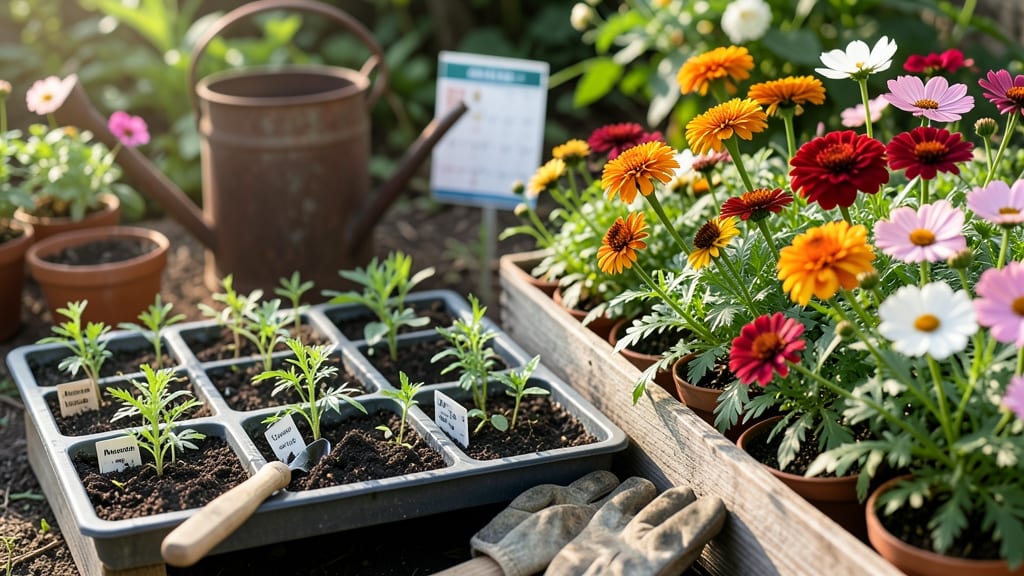
If you've ever watched frost nip your annuals 🌱 just days after planting, you know timing is everything in Zone 5. The difference between a thriving garden and a sad, wilted disappointment often comes down to when you put those seeds in the ground—or when you transplant seedlings.
Zone 5 gardeners face a unique challenge: the growing season is short, and microclimates can shift planting windows by weeks. Too early, and a late frost will kill your tender starts. Too late, and you’ll miss the sweet spot for maximum blooms or harvests.
But here’s the good news: with the right strategies, you can stretch your planting season and enjoy vibrant flowers and fresh veggies well into fall.
In this guide, I’ll break down the exact deadlines for planting annuals in Zone 5, from cool-season crops like lettuce to heat-lovers like tomatoes.
You’ll learn how to read your local frost dates, adjust for urban heat islands or rural chill, and use tools like row covers to push your limits. No more guessing—just confident planting that guarantees success.
Whether you’re a beginner or a seasoned gardener, these insights will help you avoid common mistakes and make the most of your Zone 5 growing season. Let’s get those annuals in the ground at the perfect time—so you can enjoy the fruits (and flowers) of your labor all summer long.
Zone 5 annual planting deadlines by microclimate type
Zone 5 spans from northern Illinois to Maine, creating wildly different planting windows—even within 50 miles. Urban areas like Chicago often see frost-free dates by April 15-20, while rural spots in Minnesota may wait until May 10-15.
High-altitude gardens (think Colorado Springs) can face 2-3 weeks later than valley floors. Understanding these microclimates lets you plant heat-loving tomatoes just in time or save cold-hardy pansies for late starts.
Your first step? Check your last average frost date (use the USDA Plant Hardiness Zone Map or local cooperative extension records). Then adjust for your microclimate: south-facing slopes warm faster, while low-lying areas hold cold longer.
For example, my urban backyard—just 0.5 miles from a lake—stays 3°F warmer than my neighbor’s inland plot, letting me plant marigolds 10 days earlier.
Here’s the non-negotiable rule: Wait until soil temps hit 50°F+ for most annuals. Use a soil thermometer (they’re cheap!) to confirm—cold soil stunts roots. For cold-sensitive plants like basil or impatiens, wait until 60°F+.
I’ve learned this the hard way: My 2019 basil crop bolted in May because I planted too early when soil was still 45°F.
Now, let’s break down your microclimate-specific deadlines for planting annuals in Zone 5. The table below shows frost-free windows, ideal planting dates, and last-call deadlines for heat-tolerant vs. cold-sensitive varieties. Bookmark these dates—your garden’s success depends on them!
| Microclimate Type | Frost-Free Date Range | Ideal Planting Window | Last-Call Deadline (Heat-Tolerant) | Cold-Sensitive Examples | Heat-Tolerant Examples |
|---|---|---|---|---|---|
| Urban (City Centers) | April 15–May 1 | April 20–May 10 | June 15 | Basil, Petunias, Impatiens | Marigolds, Zinnias, Okra |
| Rural (Open Fields) | May 1–May 15 | May 10–May 25 | June 30 | Tomatoes, Peppers, Cucumbers | Sweet Potatoes, Black-Eyed Peas, Amaranth |
| High Altitude (>5,000 ft) | May 15–June 1 | May 30–June 15 | July 15 | Basil, Coleus, Geraniums | Sunflowers, Cosmos, Swiss Chard |
| Microclimate: South-Facing Slopes | April 25–May 5 | May 1–May 15 | June 10 | Lettuce, Spinach, Snapdragons | Peppers, Eggplant, Okra |
Notice how urban areas get a 3-week head start? That’s why my city garden thrives with petunias by Memorial Day, while my rural friends wait until June 1st.
For heat-tolerant annuals, you’ve got until mid-June in most of Zone 5—plant okra or sunflowers then, and they’ll still flourish. But cold-sensitive plants like basil? Their window closes by May 15th in rural zones.
Zone 5 annual planting deadlines by microclimate type
Zone 5 spans from northern Illinois to Maine, but planting deadlines vary wildly—sometimes by 3-4 weeks—depending on whether you're in an urban heat island, a rural valley, or a high-altitude microclimate.
The key is understanding your last frost date (typically May 10-20 for most of Zone 5) and adjusting for your specific conditions.
For example, Chicago's city center might see frost-free soil by April 20, while upstate New York's Adirondacks could still have frost risks until May 30. Heat-loving annuals like tomatoes and marigolds need 50-60 days of warm soil, while cool-season crops like lettuce and spinach can handle light frosts.
Here’s how to match your microclimate to the right planting window:
| Microclimate Type | Last Frost Date Range | Ideal Planting Window | Heat-Tolerant Annuals (Safe After) | Cool-Sensitive Annuals (Risk Until) |
|---|---|---|---|---|
| Urban Heat Island | April 10–April 25 | April 15–May 10 | Tomatoes, Peppers (May 1) | Basil, Cucumbers (May 15) |
| Rural Valley | April 20–May 5 | April 25–May 15 | Marigolds, Zinnias (May 10) | Petunias, Snapdragons (May 20) |
| High-Altitude (1,000+ ft) | May 10–May 25 | May 1–June 1 | Cosmos, Sunflowers (May 25) | Geraniums, Coleus (June 5) |
🌡️ Pro Tip: Use a soil thermometer—most annuals need soil temps above 50°F (10°C) to thrive.
Even within these ranges, localized factors like lake-effect cooling or urban pavement heat can shift your deadlines. For instance, Detroit’s downtown might be safe for peppers by May 10, while nearby farmland could wait until May 25. Always check your local cooperative extension service for hyper-local data.
For late-summer planting, aim for annuals with short maturity dates (under 60 days) like bush beans or radishes. These can be sown as late as July 15 in Zone 5, giving them time to mature before the first frost (October 10–20).
Just be prepared to protect seedlings with row covers if a cold snap hits.
Remember: Microclimates matter more than ZIP codes. A south-facing wall can add 2-3 weeks of warmth, while a shady spot near a pond may delay planting by 10 days. Observe your garden’s behavior for a few years, and you’ll develop an intuition for the perfect timing.