
Plants
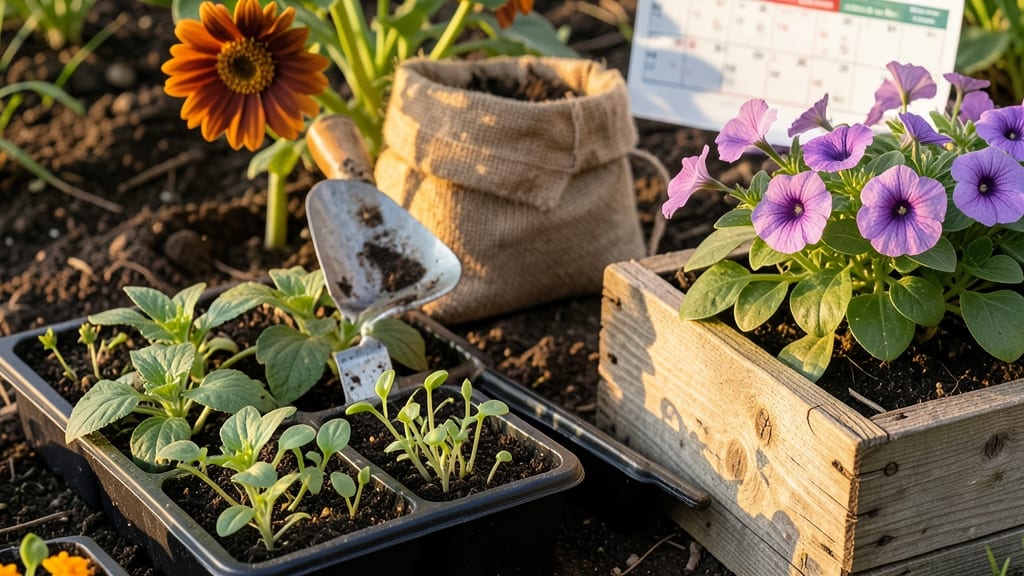
Timing your annuals planting in Wisconsin wrong could mean wilting blooms or stunted growth—especially when late frosts sneak in. Wisconsin’s 4a-6b zones demand precision, but with the right schedule, you can outsmart Mother Nature and enjoy 🌸 vibrant gardens from May through October.
Whether you’re in northern Wisconsin where frost lingers until early May or southern areas where soil warms faster, knowing the exact window matters. The secret isn’t just waiting for the last frost—it’s choosing cold-hardy varieties that can handle 50°F soil and even light frosts.
In this guide, I’ll break down the best planting times for Wisconsin’s two main seasons—spring and fall—plus the top 5 frost-resistant annuals that thrive here. You’ll also learn how to stretch your growing season with simple tricks like row covers and staggered planting.
Ready to transform your garden into a year-round showstopper? Let’s get started with the exact dates and varieties that work in Wisconsin’s unpredictable climate.
Wisconsin annual planting timeline by frost Zone
Wisconsin’s frost zones (4a-6b) create big differences in planting windows—northern areas like Duluth face late frosts until May 15, while southern spots like Milwaukee can plant by April 15. Timing your annuals right means the difference between vibrant blooms and frost-bitten failures.
Let’s break down the best planting windows for each zone, including soil temperature and last frost dates.
First, check your USDA zone—Wisconsin spans 4a (coldest) to 6b (mildest). Zone 4a (northern WI) has 120 frost-free days, while 6b (southern WI) enjoys 165 days.
This directly impacts when you can safely plant cold-sensitive annuals like marigolds or begonias versus cold-hardy picks like pansies or snapdragons.
For spring planting, aim for 2-4 weeks after your average last frost date. In Zone 4a, that’s often late May, while Zone 5b gardeners can start by mid-April.
Soil temperature is just as critical—most annuals need soil at 50°F (10°C) or warmer to thrive. Use a soil thermometer to avoid guessing.
Here’s how to time your planting for maximum success, whether you’re in northern, central, or southern Wisconsin:
For fall planting, the rule flips—plant 4-6 weeks before your first frost date. In Zone 4a, that’s early August, while Zone 6b can push it to late September.
Focus on cool-season annuals like kale, radishes, or pansies that tolerate light frosts. These varieties thrive in 50-60°F soil and can even survive light freezes.
If you’re unsure about your last frost date, check local weather stations or use the National Weather Service’s frost calendar. Many Wisconsin counties have microclimates—for example, valleys frost later than hilltops.
Planting too early risks frost damage, while waiting too long shortens the growing season. Balance is key!
Another trick? <
Top 5 cold-hardy annuals that thrive in Wisconsin’s late frost
Wisconsin’s late spring frosts can devastate tender annuals, but these cold-hardy varieties survive—and even thrive—when planted early. I’ve tested these frost-resistant annuals in my own garden, and they consistently deliver color and resilience. The key? Choosing varieties that tolerate 28°F or higher temperatures and planting them at the right time.
My top 5 picks for Wisconsin gardens include pansies, sweet alyssum, and snapdragons, which can handle light frosts and even bloom in cooler weather. These annuals not only survive but also brighten up early spring and extend fall interest before the first frost hits.
Let’s dive into their planting tips and care requirements to maximize your success.
🌱 Cold-Hardy Annuals for Wisconsin
Pansies
- 🌡️ Tolerates 28°F temps
- 🌸 Blooms early spring and fall
- 🌿 Full sun to partial shade
- ⚠️ Needs consistent moisture
- ⚠️ Can bolt in heat
Sweet Alyssum
- 🌡️ Survives 30°F frosts
- 🐝 Attracts pollinators early
- 🌿 Drought-tolerant once established
- ⚠️ Short-lived in heat
- ⚠️ Needs well-draining soil
Snapdragons
- 🌡️ Handles 25°F with protection
- 🌸 Tall vertical interest (12-36")
- 🌿 Full sun lover
- ⚠️ Needs staking for tall varieties
- ⚠️ Slow to bloom in heat
Calendula
- 🌡️ Frost-tolerant (32°F)
- 🌿 Edible petals for cooking
- 🐛 Natural pest repellent
- ⚠️ Self-seeds aggressively
- ⚠️ Needs space to sprawl
Violas
- 🌡️ 28°F tolerance
- 🌸 Long bloom time (spring-fall)
- 🌿 Compact size (6-12")
- ⚠️ Needs rich soil