
Plants
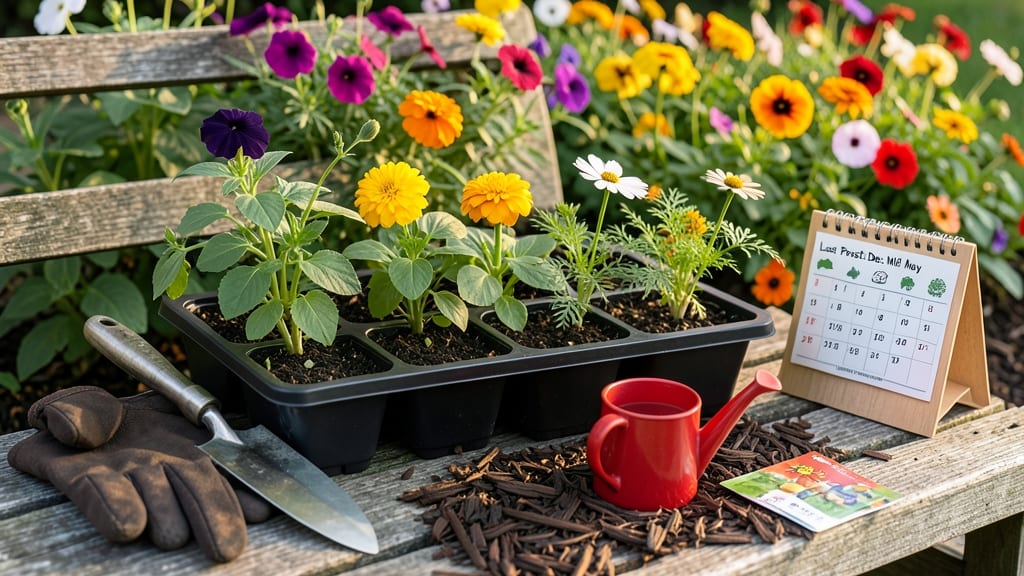
Timing your when to plant annuals in CT just right can mean the difference between a showstopping garden and a sad, frost-nipped disappointment. Connecticut’s Zone 6a climate throws curveballs with its unpredictable springs, but knowing the exact frost-free window—typically between April 15 and May 15—gives you the edge.
Picture this: you’ve spent weeks dreaming of vibrant 🌸 petunias or crisp lettuce, only to watch them wilt when a late frost sneaks in. That’s why planting at the right moment is non-negotiable.
Whether you’re a seasoned gardener or a first-timer, this guide will help you sidestep common mistakes and align your planting with Connecticut’s microclimates—coastal areas stay warmer longer, while inland spots can freeze sooner.
Beyond frost dates, soil temperature matters too. Wait until the ground warms to at least 50°F—a simple test with a soil thermometer ensures your annuals thrive from day one.
I’ll break down the week-by-week deadlines so you can plant with confidence, whether you’re sowing seeds or popping in those colorful annuals.
Ready to transform your garden from “meh” to “wow”? Let’s dive into the pro tips that’ll keep your annuals blooming all season—no guesswork required.
Connecticut’s frost-free planting deadlines by week (Zone 6 & microclimates)
Timing is everything when planting annuals in Connecticut. The state’s Zone 6 climate means your last frost date typically falls between May 10–20, but coastal areas like Groton or New London can delay frost until May 25.
Inland regions like Hartford or Waterbury often see frost as early as May 10. Plan accordingly to avoid frost damage to tender seedlings.
For spring annuals, the ideal planting window opens after your area’s last frost.
Most heat-loving annuals like marigolds and zinnias thrive when soil temperatures reach 60°F+, usually by late May. Cold-hardy annuals such as pansies or snapdragons can handle lighter frosts and may be planted as early as mid-April in sheltered spots.
| Week | Planting Zone 6 Inland | Planting Coastal CT | Recommended Annuals |
|---|---|---|---|
| Late April | Cold-hardy starts (protected) | N/A (frost risk) | Pansies, Snapdragons |
| Early May | After last frost (May 10) | After last frost (May 15) | Petunias, Coleus, Begonias |
| Mid-May | All annuals (soil 60°F+) | All annuals (soil 60°F+) | Marigolds, Zinnias, Sunflowers |
| Late May | Heat-lovers (direct sow) | Heat-lovers (direct sow) | Impatiens, Lantana, Portulaca |
| August 1–15 | Fall-blooming starts | Fall-blooming starts | Cosmos, Aster, Calendula |
Use this week-by-week guide to align your planting with Connecticut’s microclimates. For example, coastal gardens in New Haven can plant geraniums a week later than inland areas in Enfield.
Always check your local frost forecast—a late frost in early May can wipe out unprotected seedlings in Zone 6.
If you’re unsure about your exact last frost date, opt for slow-growing annuals like snapdragons or lobelia, which can handle cooler soil. Fast-growers such as basil or cosmos need warmer soil (70°F+) and should wait until late May.
For fall planting, aim for August 1–15 to give annuals like cosmos or asters time to establish before first frost (typically October 15). Use row covers to extend the season if needed—this works wonders for pansies or kale in Zone 6.
Pro tip: Monitor soil temperature with a soil thermometer—annuals like tomatoes or peppers (technically annuals in CT) need 65°F+ soil to thrive. Planting too early in cool soil leads to root rot or stunted growth.
Don’t forget container gardening! Potted annuals warm up faster than in-ground plants, so you can plant petunias or geraniums 2–3 weeks earlier than in garden beds. Just ensure containers have drainage holes to prevent waterlogging in CT’s heavy clay soil.
For vegetable annuals like beans or cucumbers, wait until after Memorial Day (late May) to avoid cold snaps. These plants are sensitive to frost and need consistent warmth to produce.
Track your progress with a gardening journal—note when you plant,
How to adjust planting for Connecticut’s coastal vs. inland microclimates
Connecticut’s diverse geography means your coastal garden in New London may have 2 weeks later frost dates than your inland yard in Hartford. These microclimates drastically affect when you can safely plant heat-loving annuals like zinnias or cold-tolerant varieties such as pansies.
Coastal areas (e.g., Groton, Stonington) benefit from warmer ocean breezes that delay frost until May 25–June 5. Inland regions (e.g., Litchfield, Torrington) often see last frosts by May 10–20, giving you an earlier but riskier start. Always check your local USDA Zone 6a/6b variations.
🌱 Key Takeaway: Coastal gardens can plant marigolds and petunias 2 weeks later than inland areas, while inland zones should prioritize hardy annuals like snapdragons or sweet alyssum for earlier blooms.
| Factor | Coastal CT (Zone 6b) | Inland CT (Zone 6a) |
|---|---|---|
| Last Frost Date | May 25–June 5 | May 10–20 |
| Best Planting Window | June 1–15 (after frost) | May 20–31 (after frost) |
| Ideal Annuals for Early Planting | Pansies, Sweet Alyssum | Snapdragons, Calendula |
| Heat-Lovers to Wait For | Marigolds, Zinnias (June 15+) | Marigolds, Zinnias (June 1+) |
| Frost Protection Tip | Use row covers until June 10 | Use row covers until May 25 |
For coastal gardeners, prioritize late-May to early June plantings to avoid late spring frosts. My New London garden thrives when I wait until June 1 for heat-loving annuals, but I plant pansies in late April under row covers for early color.
Inland areas should plant cold-hardy annuals like violas or stock by late April and heat-lovers in early June. Use frost blankets for May plantings if nighttime temps dip below 40°F. Always monitor CT’s frost risk maps for real-time updates.
Pro tip: Test soil temps with a soil thermometer. Annuals like basil and impatiens need 55–60°F soil to thrive—coastal areas hit this by late May, while inland zones may wait until early June. Adjust your planting calendar accordingly to avoid stunted growth.