
Plants
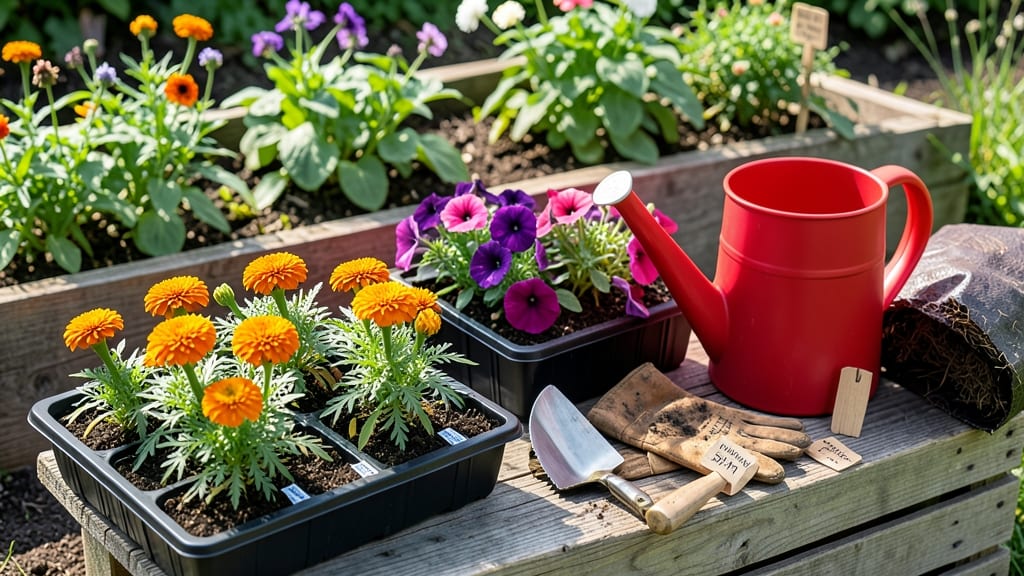
Timing your annuals planting in Maryland can mean the difference between a garden bursting with color and one that fizzles before summer even begins.
Maryland’s shifting frost dates and scorching summers demand precision—plant too early, and a late frost will wipe out your efforts; too late, and the heat arrives before your annuals can establish roots.
If you’ve ever stared at seed packets wondering, "When exactly should I get these in the ground?"—this is your guide.
We’ll break down the critical windows for Maryland’s USDA zones 5b–7b, so you can confidently start seeds indoors or transplant tender annuals like marigolds and petunias at the perfect moment.
From beating the last frost in spring to extending your blooms into fall, I’ll share the heat-tolerant varieties that thrive in Maryland’s climate and exactly when to plant them. No more guessing—just vibrant, long-lasting annuals that keep your garden looking its best from May through October.
Ready to transform your garden into a year-round showstopper? Let’s dive into the frost-free deadlines and planting strategies that will have your annuals flourishing—no matter where you are in the state.
Maryland planting zones & frost-free deadlines for annuals
Maryland’s USDA Hardiness Zones 5b–8a create a diverse planting landscape, where Northern Maryland (like Baltimore County) faces earlier frosts than Southern Maryland (near Washington, DC). Understanding these zones helps you plant annual flowers at the perfect time—after the last frost date but before summer’s intense heat arrives.
For spring annuals, wait until mid-April to early May in colder zones (5b–6a), while Southern Maryland gardeners can start as early as late March. Conversely, fall planting for cool-season annuals begins in late August in Northern Maryland and stretches to early October in warmer Southern regions.
Here’s how to navigate Maryland’s frost-free deadlines and planting windows for a vibrant garden all season long:
| Zone | Last Frost Date | First Frost Date | Spring Planting Window | Fall Planting Window |
|---|---|---|---|---|
| 5b–6a (Northern MD) | Mid-April to early May | Mid-October to early November | After May 15 | Late August to early September |
| 7a–7b (Central MD) | Late March to early April | Late October to early November | After April 15 | Late July to mid-September |
| 8a (Southern MD) | Early to mid-March | Mid-November | After March 15 | Early July to late September |
For heat-loving annuals like zinnias or marigolds, start seeds indoors 6–8 weeks before your last frost date. Cold-sensitive plants, such as petunias or impatiens, should only go outdoors after soil temperatures reach 55°F or warmer.
Use row covers or cloche tunnels to extend your spring planting window by 2–3 weeks if frost threatens. In Southern Maryland, where winters are milder, you can even plant winter annuals like pansies as early as September for year-round color.
Always check your local Cooperative Extension Service for real-time frost alerts, as microclimates (like urban heat islands) can shift planting windows by 1–2 weeks. A soil thermometer is your best tool to confirm when it’s safe to plant heat-sensitive annuals.
Pro tip: Mark your calendar for Maryland’s average frost dates—Northern regions typically see their last frost around May 10, while Southern Marylanders can plant 2 weeks earlier. This timing ensures your annuals bloom before summer’s oppressive heat stunts their growth.
For fall planting, aim to get cool-season annuals in the ground 6–8 weeks before your first frost. This gives them time to establish roots and flower before winter. Use mulch to insulate soil and protect tender roots from early frosts.
By aligning your planting schedule with Maryland’s frost-free deadlines, you’ll enjoy a longer blooming season and healthier annuals that withstand the region’s humid summers and variable winters. 🌱
Heat-tolerant annuals that thrive in Maryland’s summer heat
Maryland’s summers can hit 90°F+, making it tricky to keep annuals blooming. But don’t worry—some varieties are built to handle the heat! I’ve tested these top 10 heat-tolerant annuals in my own garden, and they consistently deliver vibrant blooms even when temperatures soar.
The key? Planting them at the right time—usually after Memorial Day—and giving them plenty of water and sunlight.
For example, zinnias and lantana thrive in full sun and can handle Maryland’s humidity. Meanwhile, portulaca (also called moss rose) loves dry conditions and even does well in rock gardens where other plants might struggle.
Let’s break down the best options and how to keep them looking their best all summer long.
🌡️ Best Heat-Tolerant Annuals for Maryland
Zinnias
- ✅ Pros: Blooms all summer, attracts pollinators
- ✅ Plant after last frost (May in most zones)
- ❌ Cons: Needs staking for tall varieties
Lantana
- ✅ Pros: Drought-tolerant, long bloom season
- ✅ Plant in full sun after May 15
- ❌ Cons: Can spread aggressively
Portulaca
- ✅ Pros: Thrives in poor soil, heat-resistant
- ✅ Direct sow after last frost
- ❌ Cons: Short-lived (4-6 weeks per bloom)
If your garden has shady spots, don’t fret—annuals like coleus and impatiens still perform well in partial shade. Just plant them a little later, around late May to early June, when the soil has warmed up.
These varieties won’t handle the same heat as full-sun plants, but they’ll add color where others might wilt.
One of my biggest mistakes was planting petunias too early in Zone 6. They bolted in the heat, and I lost weeks of blooms.
Now, I wait until after June 1st to transplant them, and they last all summer. Deadhead regularly to encourage more flowers, and always water at the base of the plant to avoid fungal issues.
For container gardens, opt for heat-loving succulents like sedum or echeveria. They need minimal water and can handle the intense sun Maryland summers bring. Just make sure your pots have drainage holes to prevent root rot—another lesson learned the hard way!
Pro tip: Mulch around your heat-tolerant annuals with straw or wood chips to retain moisture and keep roots cool. This simple step can extend your blooms by 2-3 weeks during peak summer.
Pair these varieties with drought-resistant perennials like lavender or salvia for a low-maintenance, high-impact garden that survives Maryland’s climate.