
Plants
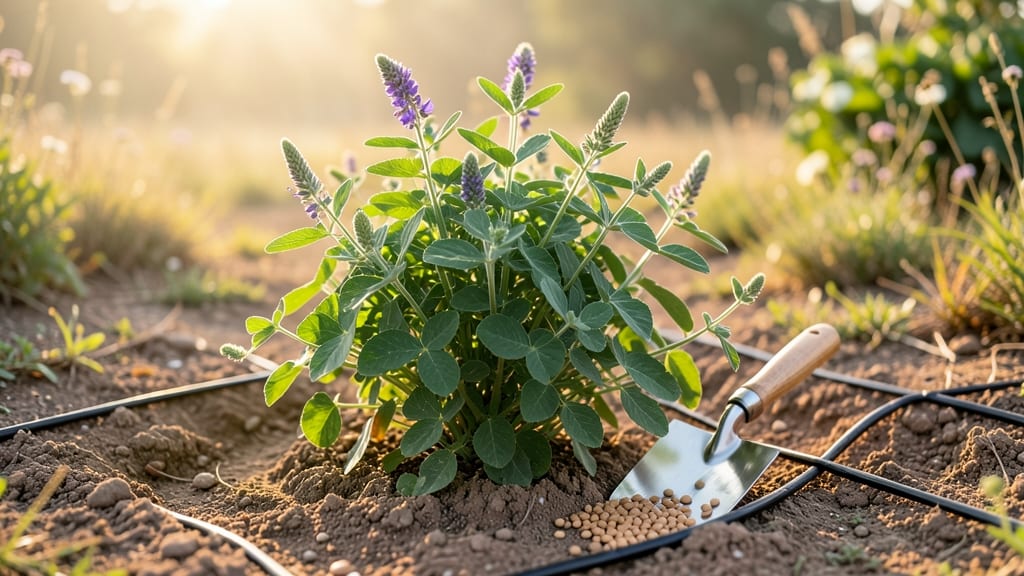
If you're planting alfalfa in Texas, timing is everything—get it wrong, and you’ll battle stunted growth or wasted seeds. The ideal window for planting this drought-resistant crop is between September and November or again in February and March, when temperatures are mild and rain is more reliable.
Texas farmers know that alfalfa thrives in USDA zones 8a-10b, but the key is avoiding the brutal summer heat or early frosts. Planting in fall lets seeds germinate before winter, while spring plantings give them a head start before the dry season kicks in.
But here’s the catch: North Texas has cooler winters, while South Texas faces intense humidity. I’ll break down the best months for each region, plus soil prep tips to ensure your alfalfa grows strong and resilient.
Ready to outsmart Texas’ climate and grow alfalfa like a pro? Let’s dive into the exact timing and techniques that work.
Texas alfalfa planting calendar: best months by region
Alfalfa thrives in Texas’s hot, dry climate, but timing is everything—plant too early, and seeds rot in summer heat; too late, and frost stunts growth. The ideal window depends on your region’s USDA zone and soil temperature.
North Texas (Zones 7-8) has cooler winters, while South Texas (Zones 9-10) faces year-round heat. Let’s break it down by region to ensure your alfalfa seeds germinate strong and grow lush.
For North Texas (e.g., Dallas, Fort Worth), aim for September through November or February through early March.
Soil temps should stay above 60°F for germination. Central Texas (Austin, San Antonio) follows similar timing but extends into late October due to milder winters. South Texas (Houston, Corpus Christi) shifts to August-September or February to avoid scorching summer heat.
Here’s how soil temperature and monthly rainfall impact your planting success across Texas regions:
In North Texas, September is the sweet spot—soil is still warm from summer, and fall rains provide moisture without risking overwatering. November plantings work if your area hasn’t hit frost yet (check your last frost date—typically late November in Zone 8a).
For Central Texas, August is risky due to heat, but early September offers cooler temps and consistent rainfall.
For South Texas, August is the only summer month where soil temps dip enough for germination. If you miss this window, wait until February when spring showers arrive. Pro tip: Test soil moisture before planting—alfalfa hates soggy roots but needs consistent hydration during establishment.
Spring plantings (February-March) are a backup option across all regions, but avoid April—Texas summers arrive fast, and alfalfa seedlings bolt (go to seed) under 100°F+ heat. If you’re in Zone 10b (e.g., Brownsville), February is your only safe window; summer heat will kill seeds within days.
One Texas-specific hack: Plant alfalfa with winter rye in fall (e.g., October). The rye suppresses weeds, and when it dies in spring, your alfalfa takes off. This works best in North and Central Texas where frosts occur.
Always check your local USDA frost dates—they vary by just a few weeks even within the same city. For example, Amarillo (Zone 7b) has a last frost of March 15, while Houston (Zone 9a) rarely sees frost.
Use these dates to time your planting for maximum alfalfa growth before summer heat sets in.
🌱
Texas alfalfa planting calendar: best months by region
Texas isn’t one-size-fits-all when it comes to alfalfa planting. The North Texas Panhandle (USDA zones 7b-8a) can plant as early as late August, while South Texas (zones 9a-10b) must wait until October to avoid summer’s scorching heat.
Even within these regions, microclimates matter—higher elevations cool faster, while river valleys stay warmer.
For fall plantings (the preferred method), aim for September through November. This gives seeds time to germinate before winter dormancy. Spring plantings should happen in February or March—never later, or your crop will wilt under 100°F+ temperatures by May.
Here’s the breakdown by region, including soil temperature thresholds for germination success:
| Region | Best Planting Window | Soil Temp for Germination | Key Climate Risk |
|---|---|---|---|
| North Texas (Zones 7b-8a) | Late August–October | 60–75°F | Early frosts (Nov) |
| Central Texas (Zones 8a-9a) | September–November | 65–70°F | Summer droughts |
| South Texas (Zones 9a-10b) | October–November | 70–75°F | Humidity + heat stress |
| West Texas (Zones 7a-8b) | September–October | 60–70°F | Extreme dryness |
Pro tip: Use a soil thermometer to confirm temperatures before planting. Alfalfa seeds need consistent moisture and warmth—if soil temps drop below 60°F, germination slows dramatically. In West Texas, irrigation may be needed to kickstart growth during fall’s dry spells.
Spring plantings in February–March work best in North and Central Texas, where frost risk is lower. But in South Texas, even early spring can bring 90°F+ days by April—so avoid planting after March 15 unless you’re irrigating heavily.
Remember: Alfalfa’s first harvest won’t happen until 120–180 days after planting. Plan your schedule accordingly to avoid missing the window for spring or fall grazing.