
Plants
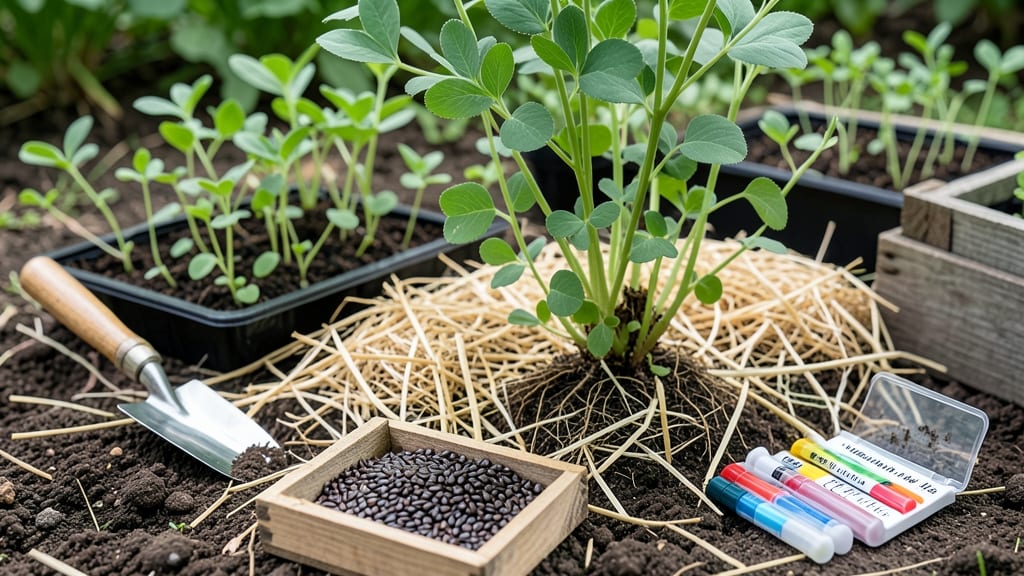
Planting alfalfa in Kentucky at the wrong time means waiting months for it to establish—or worse, watching it freeze before it even sprouts. This hardy perennial 🌱 needs precise timing to thrive in zones 6a-7b, where last frosts linger until mid-March and first frosts arrive by mid-November.
Unlike annuals, alfalfa’s success hinges on soil temperatures and frost-free windows. In Kentucky’s climate, early spring (March-April) is your best bet, but late summer (August) works too—if you’re willing to gamble on summer heat stress.
The key? Planting when soil warms to 50°F consistently, not just when the air feels spring-like.
I’ll break down exactly when to drop those seeds in your specific zone, plus how to adjust for Kentucky’s unpredictable weather. Whether you’re growing alfalfa for hay, soil improvement, or livestock feed, timing makes all the difference. Let’s get those roots in the ground the right way.
Skip the guesswork: learn how to align your planting with Kentucky’s frost patterns, soil conditions, and even variety-specific needs. By the end, you’ll know exactly when to plant for maximum yield—and avoid the heartbreak of wasted seeds.
Kentucky alfalfa planting calendar: frost-free window by Zone 5b-6b
Alfalfa thrives best in Kentucky’s zones 5b-6b, where the last frost date typically falls around March 15 and the first frost arrives by November 15. For optimal growth, aim to plant alfalfa when soil temperatures consistently reach 50°F (10°C)—usually in early spring or late summer.
This timing ensures seeds germinate quickly and seedlings survive Kentucky’s unpredictable weather swings.
In Kentucky, spring planting (March-April) is the most reliable window, as it aligns with soil warming and reduced frost risk. However, fall planting (August-September) can work in Zone 6b if seeds establish before first frost.
The key is balancing soil temperature, moisture levels, and frost-free days—all critical for alfalfa’s deep-rooted success.
Here’s a quick breakdown of Kentucky’s alfalfa planting calendar by zone and season, tailored to local climate data:
| Zone | Ideal Planting Window | Soil Temp Threshold | Frost Risk | Notes |
|---|---|---|---|---|
| 5b | Mid-April to early May | 50°F (10°C)+ | High (late frosts) | Spring-only; avoid fall due to early frosts. |
| 6a | Late March to April | 50°F (10°C)+ | Moderate | Spring preferred; fall possible if seeded by August 15. |
| 6b | Early March to May | 45°F (7°C)+ | Low | Spring or late summer (August); best for cold-hardy varieties. |
🌱 Pro Tip: Use a soil thermometer to confirm 50°F+ before planting!
For Zone 5b gardeners, spring planting is non-negotiable due to late frosts, while Zone 6b offers flexibility with fall options. Always check local frost dates—Kentucky’s Bluegrass region can vary by 1-2 weeks from western or eastern areas.
For example, Lexington may see last frosts by March 20, while Paducah might wait until April 5.
Alfalfa seeds germinate best in moist, warm soil, so water thoroughly after planting and maintain consistent moisture until seedlings emerge (typically 10-14 days). In Kentucky’s humid climate, fungal diseases like leaf spot can be a risk if soil stays soggy.
Aim for well-draining soil with a pH of 6.5-7.5—Kentucky’s clay-heavy soils often need compost or sand amendments to improve drainage.
If you’re planting alfalfa for hay, prioritize early spring to maximize first-cut growth before summer heat. For grazing purposes, fall plantings in Zone 6b can establish roots before winter dormancy.
Just remember: alfalfa’s deep taproot (up to 10 feet) makes it drought-tolerant once established, but seedlings need consistent moisture to thrive.
For late springs (like the 2022 frost in May that surprised many KY gardeners), consider starter fertilizer to boost seedling vigor. A 10-20-10 NPK blend applied at planting can help young alfalfa compete with weeds—a common challenge in Kentucky’s rich but weedy soils.
Mulch lightly with straw to retain moisture and suppress weeds without smothering tender seedlings.
Timing your alfalfa planting to Kentucky’s frost-free window isn’t just about avoiding frost—it’s about giving seedlings the 60-90 days of warm weather they need to establish before winter. With the right soil prep, planting dates, and aftercare, you’ll be harvesting nutrient-rich forage in just 120-150 days.
Next, we’ll dive into adjusting planting dates for Kentucky’s unpredictable weather, including how to use 10-year frost data and seedling hardiness ratings to fine-tune your schedule—
How to adjust alfalfa planting dates for Kentucky’s unpredictable weather
Kentucky’s weather is famously fickle—one week you’re planting in 50°F soil, the next you’re battling a surprise frost in April. Alfalfa seedlings can’t handle this unpredictability, so I’ve learned to use local frost data and soil thermometers to fine-tune planting dates.
The 10-year average for last frost in Lexington is March 15, but in northern zones like Paducah (Zone 6b), it can linger until April 1. Always check NOAA frost maps for your exact location before dropping seeds.
For late springs, I recommend planting alfalfa in August instead of spring. This gives seedlings time to establish before winter, though summer heat stress is a real risk. If you go this route, mulch heavily with straw to retain moisture and protect young roots.
Another trick? Use black plastic mulch to warm the soil faster in cool springs.
Planting alfalfa in cold, wet soil (below 45°F) causes rot and poor germination. Use a soil thermometer—wait until readings hit 50°F consistently for 5+ days. In Kentucky, this usually means mid-to-late April for most zones, not early March!
Pro Tip: If your soil is too wet in spring, hold off until it dries slightly. Alfalfa hates waterlogged roots—amend clay soils with compost or sand before planting.
If you’re in Zone 5b (northern KY), consider starter fertilizers with phosphorus to boost root growth in cool soils. For Zone 6b (southern KY), focus on shade cloth during summer planting to protect seedlings from heat stress.
I’ve had the best success with ‘Moapa’ variety in southern KY—it tolerates heat better than others.
For early frosts, plant alfalfa in late July instead of August. This gives seedlings 6-8 weeks to establish before winter. If frost hits unexpectedly, cover young plants with row covers until temperatures rise. Never plant alfalfa after September 15—seedlings won’t have enough time to harden off before winter.
Use seedling hardiness ratings as a guide. Most alfalfa varieties tolerate 20°F once established, but young seedlings need 32°F minimum. If your area has a history of late frosts, opt for ‘Ladak’ variety, which handles cold better than others.
Always monitor weather forecasts and have row covers ready for unexpected cold snaps.
Finally, test your soil moisture before planting. Alfalfa needs well-draining soil—if your garden holds water after rain, amend with organic matter or plant on a slightly elevated bed.
In Kentucky’s clay-heavy soils, this step is non-negotiable. With these adjustments, you’ll beat Kentucky’s weather—and get alfalfa growing strong, no matter what Mother Nature throws your way. 🌱