
Planting
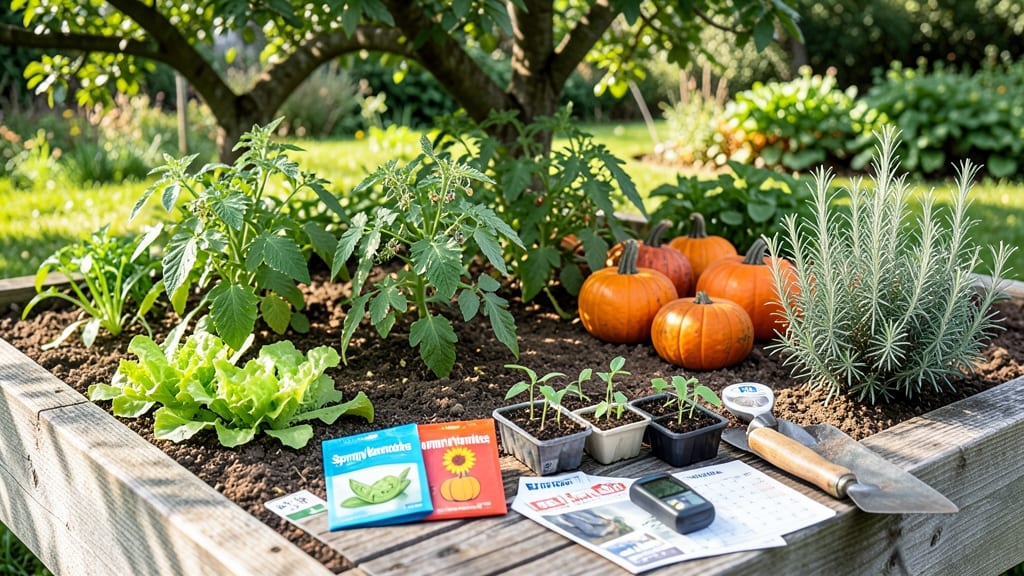
Timing your garden planting perfectly can mean the difference between a thriving harvest and wasted seeds—so knowing when to plant a garden in your region is non-negotiable. Whether you're a first-timer or a seasoned gardener, getting the start dates right ensures your 🌱 sprouts have the best shot at success.
The key lies in understanding your local climate and frost dates. In Zone 6a, for example, spring planting typically kicks off after your last frost—usually around mid-April—while fall crops need to go in 4-6 weeks before the first frost hits.
But here's the thing: not all gardens are created equal. Microclimates, elevation, and even your backyard's sun exposure can shift those perfect planting windows. I'll break down exactly how to adjust for your specific conditions.
Ready to dig in? You'll learn how to calculate your exact planting dates, choose the right crops for your season, and avoid common mistakes that derail even the most eager gardeners. Let's get growing!
Best planting times by US gardening zones (Zone 3-10 guide)
Planting your garden at the right time ensures strong starts and bountiful harvests. The USDA Plant Hardiness Zone Map divides the U.S. into 13 zones (3-10), each with distinct last spring frost and first fall frost dates.
For example, Zone 3 (northern climates) has a 150-day growing season, while Zone 10 (southern climates) enjoys 365+ frost-free days.
Cool-season crops like lettuce and peas thrive when soil temps hit 40°F, while warm-season plants like tomatoes and peppers need 60°F+ soil. Even within a zone, microclimates (urban heat islands, slopes) can shift planting windows by 2-4 weeks.
Always check your local frost dates—they’re your garden’s GPS!
🌱
In Zone 5 (like Chicago or Denver), I plant cool-season crops like spinach and kale in early March, while tomatoes and peppers go in after May 15. For Zone 9 (Los Angeles), I skip winter planting entirely and focus on fall crops like broccoli in September.
Pro tip: Use a soil thermometer to confirm 60°F+ soil for warm-season plants. Cold soil delays germination and stunts roots. If your soil is still chilly, try black plastic mulch to warm it 5-10°F faster.
For Zone 3-4 gardeners, extend the season with row covers or cold frames. In Zone 10, focus on shade-tolerant crops like bok choy during summer’s 100°F+ heat. Always match your plant’s heat needs to your zone’s frost-free window.
Need a quick reference? Bookmark the USDA Zone Finder (planthardiness.ars.usda.gov) and check your local cooperative extension office for hyper-local advice. They often provide weekly frost alerts and planting calendars tailored to your county!
Remember: Timing is everything. Plant too early, and frost will kill seedlings. Plant too late, and your harvest shrinks. But get it right, and you’ll enjoy homegrown veggies all season long—no grocery store required!
How to adjust planting dates for early vs. late varieties
Not all plants thrive on the same schedule, which is why understanding early vs. late varieties can transform your garden's success. Fast-maturing crops like radishes or lettuce can handle cooler soils and shorter seasons, while tomatoes or peppers need warmer temperatures to germinate properly.
For example, in Zone 6a, I plant cool-season crops like spinach in early spring (March) or late summer (August) for a fall harvest. Meanwhile, warm-season favorites like basil wait until after the last frost—usually mid-May—when soil temperatures hit 60°F+.
🌱
- Calculate Your Frost Dates
Use the USDA Plant Hardiness Zone Map to find your last spring frost and first fall frost. In Zone 6a, these are typically April 15 and October 15, respectively.
- Choose Fast vs. Slow Varieties
Fast-maturing crops (e.g., bush beans, 50 days) can go in 2-3 weeks before last frost. Slow varieties (e.g., tomatoes, 80+ days) need full growing season.
- Extend the Season
Use row covers or cold frames to plant 4-6 weeks earlier in spring or 2-3 weeks later in fall. This adds 30-45 extra frost-free days.
- Succession Planting
For continuous harvests, sow small seeds every 2 weeks (e.g., lettuce, carrots). This ensures you always have fresh produce, even if the first batch bolts.
- Monitor Soil Temperature
Use a soil thermometer—most seeds need 50-70°F to germinate. Cool-season crops tolerate 40-50°F, while warm-season crops stall below 60°F.
One of my favorite tricks is planting early varieties of peas or kale in late winter under hoop tunnels. The extra warmth lets me start 3-4 weeks ahead of the traditional schedule. Just be sure to remove covers during the day to prevent overheating.
For late-season crops, I focus on heat-tolerant varieties like Okra or Swiss chard, which can handle 90°F+ temperatures and still produce until frost. These are perfect for July-August plantings in hotter zones.
Pro tip: Always check seed packets for days to maturity and work backward from your frost dates. For example, if your first frost is October 15 and you plant tomatoes (85 days to harvest), you must sow by July 10 to avoid a late-season freeze.
✂️