
Planting
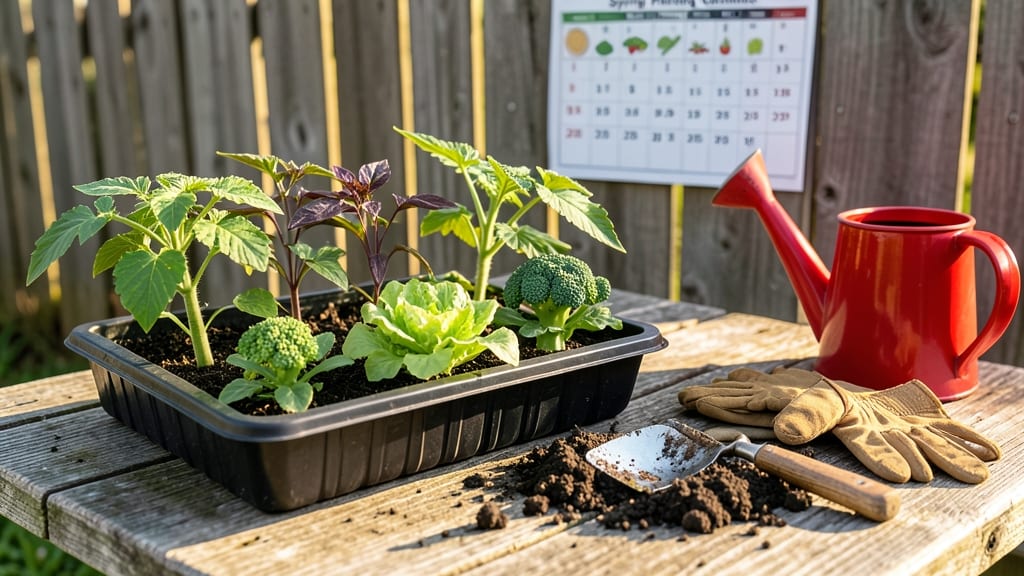
Timing your Pennsylvania garden planting right can mean the difference between a bountiful harvest and a sad pile of frost-nipped seedlings. With zones ranging from 5-7 and microclimates that vary wildly—think Pittsburgh’s urban heat islands versus the cooler Appalachian foothills—getting it wrong is an easy mistake to make.
I’ve spent years growing gardens across Pennsylvania, and the key to success isn’t just following a generic calendar. It’s about understanding your local frost dates, soil warmth, and even how elevation shifts planting windows by weeks.
Whether you’re sowing spinach in early spring or tomatoes after the last frost, knowing the right time saves you from wasted effort and frustration.
In this guide, I’ll break down the exact planting windows for your zone, including regional tweaks for cities like Philadelphia or rural areas near the Poconos.
You’ll learn how to adapt for late springs, extend growing seasons, and avoid the 5 biggest mistakes Pennsylvania gardeners make—so you can finally grow that dream garden without the guesswork.
Ready to dig in? Let’s get your garden started at the perfect moment—no more waiting for the right time, just actionable advice tailored to where you live.
Pennsylvania planting calendar by Zone 5-7: exact dates for vegetables, flowers, and herbs
Pennsylvania spans USDA Zones 5-7, meaning your planting schedule depends heavily on whether you're in southern Philadelphia (Zone 7b) or the Poconos mountains (Zone 5a). The key to success?
Timing your plants with soil temperatures and last frost dates, which can vary by 2-4 weeks across the state. Let's break down the month-by-month windows for your garden's most popular crops.
For cool-season crops like spinach, kale, and peas, the window opens 4-6 weeks before your last frost date. In Zone 5, that's typically mid-April to early May, while Zone 7 gardeners can start as early as late March.
Warm-season crops like tomatoes, peppers, and basil, however, need soil temperatures above 60°F—usually mid-May to early June in most of PA.
Here's where things get tricky: Pennsylvania's unpredictable spring weather can push frost dates later than expected. Always have row covers or a cold frame ready to protect tender seedlings. And remember, perennials like asparagus and rhubarb should be planted in early spring or early fall for best establishment.
🌱
For Zone 5 gardeners, focus on early spring planting (March-April) for cool crops, then shift to warm-season transplants after Memorial Day.
In Zone 6 and 7, you can start 2-3 weeks earlier and even squeeze in a fall planting of cool-season crops like broccoli and carrots in late summer.
Always check your local Penn State Extension office for precise frost dates—urban areas like Pittsburgh often experience earlier springs than rural zones.
Pro tip: Use a soil thermometer to verify when your soil is ready for warm-season crops. In Pennsylvania, soil may feel warm to the touch but still be below the 60°F threshold needed for tomatoes and peppers. Patience here prevents blossom-end rot and other heat-related issues.
Don't forget about succession planting! In Pennsylvania's short growing season, you can extend harvests by planting bush beans every
How Pennsylvania’s microclimates affect your planting schedule (and how to adapt)
Pennsylvania’s diverse geography creates microclimates that can shift your planting schedule by 2-4 weeks. A Pittsburgh backyard might mimic Zone 6b, while a Lancaster County farm could feel like Zone 7a—even blocks apart.
These variations stem from urban heat islands, lake-effect cooling, and elevation changes as little as 100 feet can alter frost dates.
For example, Erie’s lake breezes delay spring warming by 10-14 days compared to Harrisburg’s inland heat. Meanwhile, mountain valleys like those in Poconos experience earlier frosts than nearby ridges. Ignoring these factors can mean wilted tomatoes or frozen peppers—even when neighbors succeed.
To adapt, start by checking local frost records from sources like Penn State Extension or Almanac.com. Compare these with the USDA Zone map—your actual last frost may differ by up to 3 weeks.
For instance, Philadelphia’s average last frost is April 15, but urban microclimates can push it to May 1.
| Microclimate Type | Key Factor | Adjustment Needed | Example PA Location |
|---|---|---|---|
| Urban Heat Island | Concrete absorbs heat | Plant warm crops 2 weeks earlier | Philadelphia, Pittsburgh |
| Lake Effect | Cool lake breezes delay spring | Wait 10-14 days longer for frost-sensitive plants | Erie, State College |
| Mountain Valleys | Cold air sinks | Use row covers to extend season | Poconos, Allegheny Front |
| Rural Farmland | Open fields warm faster | Plant cool crops 1 week earlier | Lancaster County, Adams County |
Soil temperature is another critical factor often overlooked. Use a soil thermometer—warm-season crops like peppers need soil at 60°F+, while cool-season crops like lettuce thrive at 40-50°F.
In Zone 6a (e.g., State College), soil may hit 50°F by April 10, but Zone 7a (e.g., Lancaster) could reach it by March 25.
For container gardening in cities, heat from buildings can create microclimates where tomatoes ripen 2 weeks earlier than in-ground plants. Monitor your space with a weather station or plant heat sensors to fine-tune your schedule. Even south-facing walls can add 5-10°F of warmth—perfect for herbs like basil.
Pro tip: Group plants with similar needs. In Pittsburgh’s Zone 6b, pair spinach (cool-season) with radishes in early April, then switch to peppers and eggplants by May 20 once soil warms. Use mulch to regulate temperature—straw for cool crops, black plastic for warm-season starters.
Remember, Pennsylvania’s spring weather is famously unpredictable. Always have row covers or a mini greenhouse ready to protect tender seedlings from late frosts that can hit as late as May 15 in Zone 5.
When in doubt, start seeds indoors 4-6 weeks before your average last frost date—it’s the safest bet for microclimate-proof gardening.