
Planting
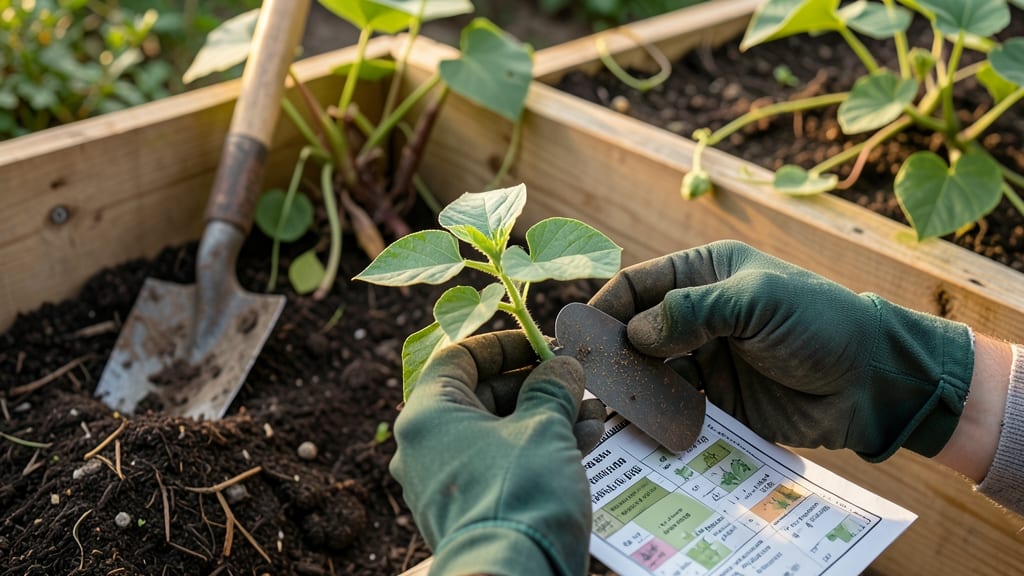
Timing when to plant a garden in Alabama just right can mean the difference between a bountiful harvest and wasted effort. Alabama’s climate—with its dramatic shifts from chilly Appalachian mornings to steamy Gulf Coast afternoons—demands precision when choosing when to plant a garden.
You’ve probably heard the rule about planting after the last frost, but Alabama’s 7a-8b zones complicate things. What works in Mobile’s humid heat might fail in Huntsville’s cooler valleys. I’ll break down the exact windows for spring and fall planting, so you avoid common mistakes that leave gardens struggling.
Whether you’re growing tomatoes that need warm soil or lettuce that thrives in cooler weather, getting the timing right is the key to success. Let’s dive into region-specific deadlines and microclimate adjustments that will have your garden thriving all season long.
From soil prep to seed selection, I’ll walk you through everything you need to know to plant with confidence. No more guessing—just proven strategies for Alabama’s diverse growing conditions.
Alabama planting zones by region: exact dates for frost-free success
Alabama’s planting calendar isn’t one-size-fits-all—it’s a patchwork of USDA zones 6A to 8B, where the Gulf Coast’s Zone 8B enjoys 300+ frost-free days while the Appalachian foothills in Zone 7A face 180 days or fewer.
These differences mean your tomato seeds might thrive in Mobile by February 15 but wait until April 1 in Huntsville. Let’s break down the exact windows for cool-season and warm-season crops by region, using data from Auburn University Extension.
For cool-season crops like lettuce, broccoli, and spinach, timing is critical—they’ll bolt (go to seed prematurely) if exposed to temperatures above 80°F.
In Zone 8A/B (Gulf Coast), you can start seeds as early as January 15 for outdoor planting, while Zone 7A/B (North Alabama) gardeners should wait until March 1 to avoid frost.
Warm-season lovers can plant tomatoes, peppers, and squash outdoors 2-3 weeks after your last frost date, which ranges from March 1 (South) to April 15 (North).
🌱Pro Tip: Use a frost calendar from your local Cooperative Extension office—they track real-time frost data, not just averages. For example, Birmingham’s last frost in 2023 was March 22, a week later than the 30-year average.
If you’re growing heat-loving crops like okra, sweet potatoes, or southern peas, start them indoors 6-8 weeks before your last frost date or purchase transplants from a local nursery.
For example, Zone 7B gardeners can set out transplants by March 20, while Zone 6B wait until May 1 to avoid transplant shock from lingering cold snaps. 🌿
For fall planting, aim to sow cool-season crops 8-10 weeks before your first frost. That means August 15 in the Gulf Coast and September 15 in North Alabama
How to adjust planting times for Alabama’s microclimates (even within your county)
Alabama’s microclimates can create wildly different growing conditions just miles apart. A garden in Mobile’s coastal zone might enjoy 100 extra frost-free days compared to one in Huntsville’s mountain foothills.
Even within a single county, elevation changes of 500 feet can shift planting windows by 2-3 weeks. Understanding these nuances lets you fine-tune your schedule for peak success.
Start by identifying your local microclimate type. Urban areas like Birmingham experience the “heat island effect”, where pavement and buildings trap heat, allowing earlier warm-season plantings. Meanwhile, river valleys (like the Tennessee River) stay cooler longer, delaying spring starts by up to 10 days.
Use the Alabama A&M Extension’s microclimate map to pinpoint your specific conditions.
🌱
🌿
🪴
For warm-season crops like tomatoes or squash, use a heat-unit calculator to track cumulative growing degrees. Alabama Extension recommends aiming for 1,000-1,200 heat units before planting. Tools like the Alabama Crops Heat Unit Tracker (available online) let you input your zip code and see real-time progress toward these thresholds.
Pro tip: Test your microclimate for a season before committing to adjustments. Plant a trial row of heat-sensitive crops (like basil or cucumbers) in early March. If they thrive, you can safely expand your warm-season planting window. If they bolt or struggle, wait another 2 weeks before planting heat-lovers.