
Plants
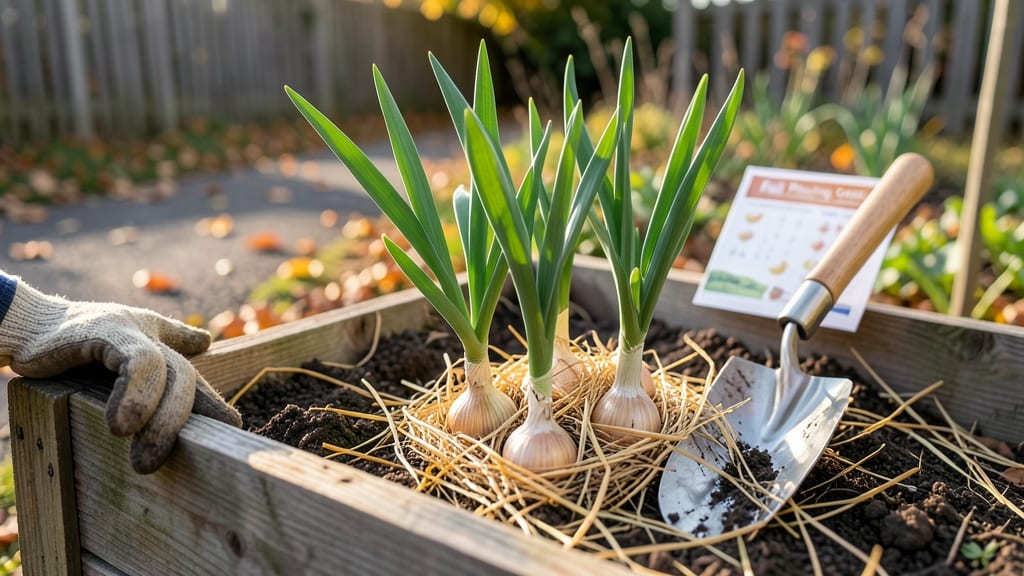
Planting garlic in Portland, Oregon, isn't just about timing—it's about outsmarting the city's famously finicky weather to grow bold, flavorful bulbs that put local farm stands to shame.
With USDA Zone 8a winters that hover between chilly and wet, getting your 🧄 cloves in the ground too early or late can mean the difference between a harvest fit for braiding and a sad, frost-nipped disappointment.
The ideal window for Portland gardeners is narrow but critical: aim to plant between mid-October and early November, when soil temperatures dip but haven't yet locked into winter.
This 4-6 week window before the first hard frost (usually around October 15) gives your garlic the perfect head start—enough time to establish roots before the ground freezes solid.
Here's the kicker: Portland's microclimates—from the urban heat island effect to the chilly Willamette Valley—mean your neighbors might be planting at wildly different times. I'll show you how to adjust for your specific corner of the city, whether you're battling late-season warmth or racing against unpredictable cold snaps.
No more guesswork, just garlic that thrives.
Ready to grow garlic that makes your neighbors ask, "Where'd you get those?" Let's dive into the exact dates, soil prep secrets, and variety picks that'll turn your fall planting into next summer's star ingredient.
Portland garlic planting calendar: exact dates by microclimate zone
Portland’s USDA Zone 8a climate creates unique challenges for garlic growers, with microclimates that can shift planting windows by weeks. The Willamette Valley typically experiences earlier frosts than the urban heat island of downtown, while the Eastside hills face wind exposure that accelerates cold snaps.
To succeed, aim for October 15–November 15 as your core planting window—but adjust based on your specific zone.
For hardneck garlic (the preferred variety for Portland), the ideal planting time is 4–6 weeks before the ground freezes.
In Portland, this usually means late October, but urban areas may safely plant into early November. Softneck varieties can tolerate slightly later planting but still need to establish roots before winter sets in.
Here’s how Portland’s three distinct zones influence your planting schedule:
To prepare your soil, work in compost or aged manure 2–3 weeks before planting. Portland’s clay-heavy soils benefit from amendments like sand or peat moss to improve drainage. Aim for a pH of 6.0–7.0, as garlic thrives in slightly acidic to neutral conditions.
For hardneck varieties, which produce scape shoots in spring, plant cloves pointed end up, 2 inches deep, and 6 inches apart.
Space rows 12 inches apart to allow airflow and reduce disease risk. Softneck garlic, while less common in Portland, can be planted similarly but often yields smaller bulbs in cooler climates.
Pro tip: If you miss the fall window, you can try spring planting (March–April), but bulbs will be smaller and less flavorful. This method works best for softneck varieties or as a backup for hardnecks.
Monitor your garden for early signs of frost (silvered leaves) and cover plants with row fabric if temperatures dip below 20°F. Portland’s winter wetness can also lead to rot, so ensure proper drainage.
By following these zone-specific dates, you’ll give your garlic the best chance to overwinter successfully and produce plump, flavorful bulbs ready for harvest next July–August. 🌱
How to adjust planting for Portland’s unpredictable weather patterns
Portland’s weather is famous for its unpredictable swings, where a sunny October weekend can turn into a frosty November surprise overnight. These shifts make garlic planting a high-stakes game of timing—especially when your urban heat island might be 10°F warmer than the Willamette Valley just 20 miles away.
I’ve planted garlic here for years, and I’ve learned to hedge my bets with these weather-proofing strategies.
First, soil temperature is your best early warning system. Use a soil thermometer to confirm temps are below 60°F but haven’t hit 40°F—the sweet spot for root establishment. In urban areas, concrete and pavement can delay cooling, so plant 2 weeks later than valley neighbors.
On the Eastside, where winds funnel through the Columbia River Gorge, aim for early October to avoid sudden cold snaps.
Mulching is your secret weapon against Portland’s wet winters. After planting, apply a 4-inch layer of straw or leaves to insulate soil and prevent temperature fluctuations. This buffer keeps roots consistently cool (but not frozen) and reduces soil erosion from relentless rain. Pro tip: Double-check mulch depth in low-lying areas, where cold air pools and can cause premature dormancy.
Portland’s last frost date averages April 15, but Eastside gardens can see frost as late as May 1. If your garlic starts sprouting green leaves in late winter, protect it with frost cloth or a cold frame. Never skip this step—tender new growth is frost-sensitive and will die back if temperatures dip below 28°F.
🌡️ Pro Tip: Set up a mini weather station near your garden to track microclimate shifts.
For extra insurance, plant a backup batch in early December if your first planting gets unusually wet or cold. This second wave often yields smaller bulbs but ensures you’re not left with zero garlic if the first planting fails.
I’ve used this trick in 2021 and 2023, when November rains turned soil to mud, delaying root growth.
Don’t overlook wind exposure, especially on the West Hills or Eastside. Strong winds dry out soil and stress young plants. Install a windbreak (like a bamboo fence or evergreen hedge) to create a microclimate shield.
Even a simple row cover can reduce wind damage by 30%, giving your garlic the stable conditions it craves.
Finally, monitor your garlic’s growth stages closely. If leaves yellow prematurely (before spring), it’s a sign of overwintering stress. In this case, reduce watering slightly and add a thick mulch layer to protect roots.
By March, ramp up watering to encourage bulb development, but avoid overwatering—Portland’s wet springs can lead to rot if soil stays soggy.
With these adjustments, you’ll turn Portland’s unpredictable weather into an advantage. Your garlic will establish roots early, survive winter, and bulb up beautifully—no matter what Mother Nature throws your way. 🌱