
Plants
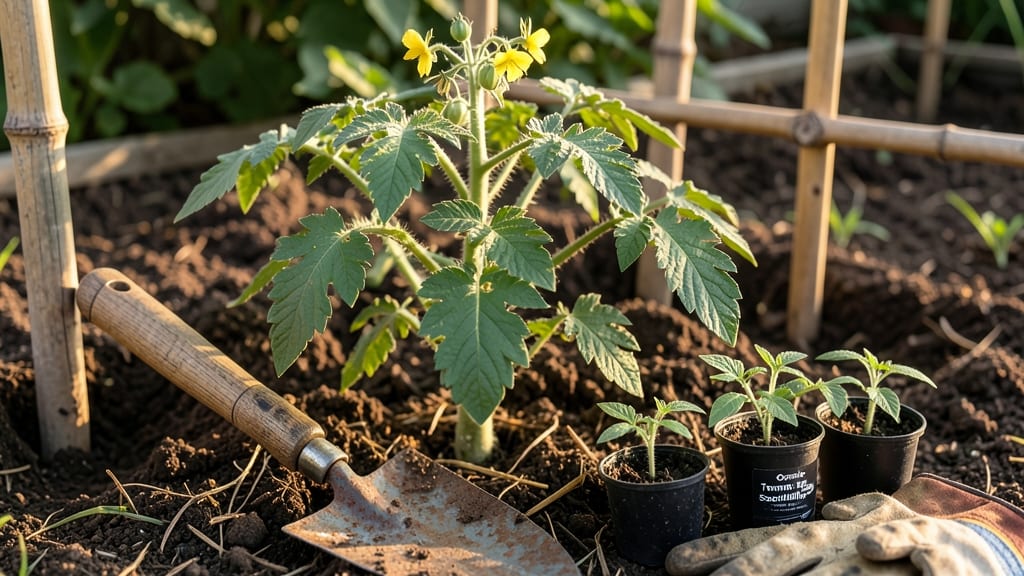
When should you plant tomatoes in Oklahoma? Timing your 🍅 tomato planting in Oklahoma isn’t just about waiting for spring—it’s about matching your county’s last frost date with the right variety and soil conditions. Skip this step, and you risk stunted plants or lost harvests before summer even kicks in.
Oklahoma’s 6a-8a zones create big differences: Northern counties like Tulsa need to wait until mid-April, while southern areas can start as early as early March. The key? Soil temperature must hit 60°F—cold soil stalls growth, no matter how eager you are to plant.
I’ll break down exactly when to plant seeds indoors vs. transplanting seedlings, plus how to pick varieties that thrive in Oklahoma’s heat. Whether you’re a first-timer or a seasoned gardener, these tips will help you avoid common mistakes and maximize your harvest.
Ready to turn your garden into a tomato powerhouse? Let’s get your planting schedule locked in for a bumper crop from June to October.
Oklahoma tomato planting timeline by county and last frost dates
Timing is everything when growing tomatoes in Oklahoma, where last frost dates can vary by 10-14 days between northern and southern counties.
In USDA Zones 6a-8a, your planting window typically opens in mid-April to early June, but local microclimates—like urban heat islands in Oklahoma City or cooler valleys in the Ozark Mountains—can shift these dates by weeks.
For northern Oklahoma (Zones 6a-7a), like Tulsa, Norman, and Woodward, aim to plant transplants after May 1 to avoid late spring frosts.
Southern regions (Zones 7b-8a, including Lawton, Ardmore, and Altus) can start 4-6 weeks earlier, often by mid-April, thanks to warmer soils and fewer frost risks.
Here’s how to align your tomato planting schedule with Oklahoma’s last frost averages and soil temperature thresholds:
| Region | Last Frost Date | Soil Temp for Planting | Transplant Window | Direct Seed Window |
|---|---|---|---|---|
| Northern OK (Tulsa, OKC, Woodward) | April 15–May 1 | 60°F+ | May 1–15 | April 20–May 10 |
| Central OK (Stillwater, Lawton) | March 25–April 10 | 60°F+ | April 15–May 1 | April 1–April 20 |
| Southern OK (Altus, Ardmore, Texarkana) | March 10–20 | 55°F+ | March 25–April 15 | March 10–April 1 |
| Mountainous (Ozarks, Wichita Mountains) | April 20–May 5 | 65°F+ | May 10–20 | April 25–May 5 |
*Adjust for microclimates: Urban areas warm faster; valleys stay cooler longer.
If you’re starting seeds indoors, begin 6-8 weeks before your last frost date. For northern Oklahoma, that means early March; southern gardeners can start by mid-February. Use grow lights to avoid leggy seedlings, and harden them off for 7-10 days before transplanting.
Pro tip: Check Oklahoma Mesonet or your local Cooperative Extension Service for real-time soil temperature updates. Tomatoes won’t thrive in cold soils—wait until temps hit 60°F+ at a 6-inch depth.
For extended harvests, consider succession planting: Sow heat-tolerant varieties like ‘Solar Fire’ every 2-3 weeks from April through June. This ensures continuous fruiting until first frost.
In northern Oklahoma, where late frosts are common, use row covers or cold frames to protect young plants until May 15. Southern gardeners can skip this step but should mulch heavily to retain moisture during summer heat.
Remember: Tomatoes hate cold feet. Even if daytime temps are warm, nighttime chills below 50°F can stunt growth. Use black plastic mulch to warm the soil 5-10°F faster than bare earth.
Best tomato varieties for Oklahoma’s climate Zones and planting months
Choosing the right tomato varieties for Oklahoma’s USDA Zones 7a–8b can mean the difference between a bountiful harvest and disappointment. The state’s hot summers and variable springs demand varieties that thrive under both conditions.
Early-season types like ‘Celebrity’ excel in northern counties, while heat-tolerant ‘Solar Fire’ shines in southern regions like Lawton or Ardmore.
For disease resistance, ‘Mountain Merit’ is a top pick—it handles Oklahoma’s humidity and fungal pressures like a champ. If you’re short on space, bush varieties like ‘Patio’ or ‘Tiny Tim’ work perfectly in containers or small gardens.
Always match your variety to your planting window—early types need to go in by mid-April, while heat-set varieties can wait until late May.
| Variety | Type | Days to Maturity | Best Planting Month | Notes |
|---|---|---|---|---|
| Celebrity | Determinate | 65-70 days | Mid-April to May | Early producer, great for northern OK |
| Solar Fire | Indeterminate | 70-80 days | Late May to June | Heat-tolerant, red beefsteak |
| Mountain Merit | Indeterminate | 70-75 days | Mid-April to May | Disease-resistant, reliable |
| Patio | Determinate | 60-65 days | May to June | Compact, great for containers |
| Arkansas Traveler | Indeterminate | 75-80 days | Late April to May | Classic flavor, heat-loving |
When selecting varieties, consider your growing season length. Southern Oklahoma’s longer frost-free periods (up to 210 days) allow for late-season varieties like ‘Brandywine’, while northern areas (like Oklahoma City) benefit from faster-maturing ‘Early Girl’.
Always check seed packets for days to maturity—this tells you when to expect harvests and helps plan succession plantings.
For container gardeners, prioritize compact varieties like ‘Tiny Tim’ or ‘Balcony Red’. These thrive in 5-gallon pots and produce well even in urban heat islands. If you’re using raised beds, taller indeterminate types (like ‘Sungold’) perform exceptionally well with proper caging or trellising.
Just remember: indeterminate varieties need consistent pruning and support to maximize yield.
Pro tip: Start heat-loving varieties indoors 6-8 weeks before your last frost date if you’re in northern Oklahoma. Use grow lights to simulate long daylight hours, and harden off seedlings gradually before transplanting. This head start gives them a competitive edge against early-season pests like aphids or flea beetles.
Finally, don’t overlook heirloom varieties like ‘Cherokee Purple’ or ‘Black Krim’ for their unique flavors. While they may require more care, their disease resistance and adaptability make them worth the effort in Oklahoma’s challenging climate. Pair them with mulch and drip irrigation to keep roots cool and consistent.